




What Exactly Is Arrowroot Flour?
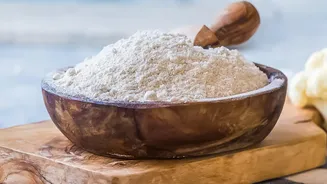
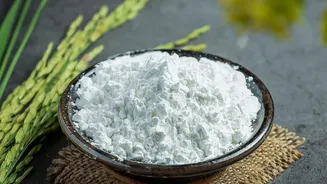
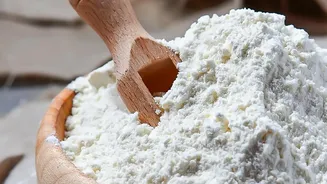
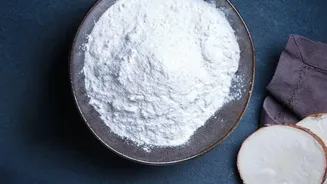
Arrowroot flour, also called arrowroot powder or starch, is a fine, white powder extracted from the tubers of tropical plants like the Maranta arundinacea. It's naturally gluten-free, grain-free, and paleo-friendly, making it an excellent alternative
to cornstarch or wheat flour for those with dietary restrictions. Unlike cornstarch, which can leave a cloudy finish and a slight taste, arrowroot is completely neutral in flavor and thickens into a beautifully clear, glossy consistency. This makes it ideal for fruit pie fillings and delicate sauces where you want the original flavors and colors to shine through. It also holds up well in acidic ingredients and can be frozen without breaking down, giving it a distinct advantage over cornstarch.
The Secret to a Perfect Slurry
The single most important rule when using arrowroot is to never add the powder directly to a hot liquid. Doing so will result in a lumpy, clumpy mess. Instead, you must first create a 'slurry'. To do this, simply mix the arrowroot powder with a small amount of cold liquid (water is fine) in a separate bowl and whisk until it forms a smooth, milky paste. A good starting ratio is one part arrowroot powder to two parts cold water. This slurry can then be whisked into your simmering soup or sauce at the end of the cooking process. The liquid will begin to thicken almost immediately.
Common Mistakes to Avoid
To get the best results with arrowroot, there are a few things to keep in mind. First, add the slurry at the very end of your cooking time. Prolonged high heat can cause the starch to break down, thinning your sauce out again. It thickens best between 185°F and 206°F (about 85°C to 96°C), so bring your liquid to a simmer, whisk in the slurry, and as soon as it thickens, remove it from the heat. Second, avoid using arrowroot in dairy-based cream sauces or soups, as it can sometimes create a slimy texture. Finally, be mindful of how much you use. Arrowroot has roughly twice the thickening power of wheat flour, so a little goes a long way. As a general guide, use about two teaspoons of arrowroot to replace one tablespoon of cornstarch.
1. Classic Thickened Vegetable Soup
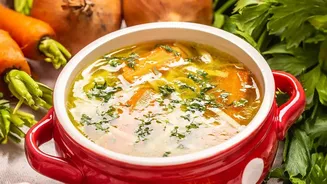
This is the perfect way to use arrowroot as the headline suggests. Start by sautéing your favorite soup vegetables (like carrots, celery, onions, and potatoes) in a large pot. Add vegetable broth and seasonings, and simmer until the vegetables are tender. In the final minutes of cooking, prepare a slurry by mixing 1 tablespoon of arrowroot powder with 2 tablespoons of cold water. Slowly whisk the slurry into the simmering soup until it has reached your desired thickness. This method keeps the soup broth clear and allows the vegetable flavors to remain vibrant.
2. Silky Smooth Chicken or Turkey Gravy
Say goodbye to lumpy gravy. For a foolproof, gluten-free gravy, start by melting 3 tablespoons of butter or meat drippings in a saucepan. Rather than making a traditional flour-based roux, you'll thicken at the end. Heat 2.5 cups of chicken or vegetable stock with seasonings. In a small bowl, whisk 4 tablespoons of arrowroot powder with a little cold water to create a slurry. Gradually pour the slurry into the simmering stock, whisking constantly until the gravy is smooth and has thickened. This technique works beautifully and ensures a glossy finish every time.
3. Rich and Creamy Chocolate Pudding
Arrowroot is fantastic for creating delicate, creamy desserts. For a simple chocolate pudding, whisk together 2 cups of milk (dairy or non-dairy), 1/3 cup of sugar, and 1/3 cup of cocoa powder in a saucepan. In a separate bowl, make a slurry with 4 tablespoons of arrowroot powder and a few tablespoons of milk. Heat the chocolate milk mixture until it's warm, then whisk in the arrowroot slurry. Continue to cook over medium heat, whisking constantly, for about 5-7 minutes until the pudding thickens. Remove from the heat and stir in a splash of vanilla extract.
4. Glossy Berry Pie Filling
Because arrowroot stands up to acidic ingredients and creates a clear gel, it's perfect for fruit pies. For a simple berry pie filling, combine 4 cups of your favorite berries (fresh or frozen) with about 3/4 cup of sugar and 2 tablespoons of arrowroot powder in a saucepan. The amount of thickener can vary depending on how juicy your fruit is. Cook over medium heat, stirring gently until the sugar dissolves, the juices release, and the mixture thickens into a glossy, beautiful filling. Let it cool completely before pouring it into your pie crust. Unlike cornstarch, arrowroot won't turn spongy when frozen and thawed.
5. Extra-Crispy Baked Tofu or Chicken
Beyond thickening, arrowroot flour is excellent for creating a light, crispy coating on baked or fried foods. Cut a block of firm tofu or chicken breast into cubes and pat them dry. In a bowl, toss the pieces with a few tablespoons of arrowroot powder, along with your favorite spices like salt, pepper, and garlic powder, until they are evenly coated. Spread the pieces on a baking sheet lined with parchment paper and bake at a high temperature (around 400°F or 200°C) until golden and crispy, flipping halfway through. The arrowroot creates a satisfying crunch that's much lighter than a traditional flour breading.