







Redefining ‘Lazy’
First, let's get one thing straight: this isn't about being lazy. It’s about being realistic. The so-called “lazy fitness” movement is a direct counter-response to the “no pain, no gain” philosophy that has dominated wellness culture for decades. Instead
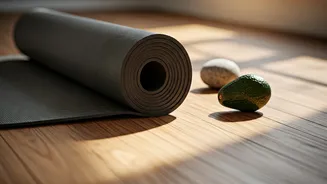
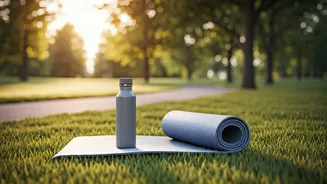
of punishing HIIT sessions, CrossFit boxes, and marathon training, this trend champions low-impact, sustainable activities. Think long walks, gentle yoga, stretching, and “cozy cardio”—like putting a walking pad under your desk or leisurely using a stationary bike while watching TV. The goal isn't to shred, bulk, or hit a new personal record. The goal is to move your body in a way that feels good, reduces stress, and can be maintained for a lifetime, not just for a six-week challenge.
A Pushback Against Burnout
This shift didn’t happen in a vacuum. It’s a direct consequence of the pervasive hustle culture that has defined modern urban India. For millions of young professionals in cities like Mumbai, Bangalore, and Delhi, life is a treadmill of long work hours, punishing commutes, and immense pressure to succeed. The pandemic only amplified this, blurring the lines between work and home and leading to widespread burnout. In that context, the last thing many people want is an equally demanding fitness regimen. The appeal of “lazy fitness” is that it offers an escape, not another source of stress. It’s a form of self-care that prioritizes mental peace and consistency over physical exhaustion and peak performance. It reframes exercise from a chore to a restorative practice.
The Power of the 10,000 Steps
Perhaps no activity better embodies this trend than walking. Across India's cities, public parks and promenades are filled with people of all ages getting their steps in. The 10,000-step goal, once a niche metric for fitness tracker nerds, has gone mainstream. It’s accessible, free, and profoundly social. Walking groups, both formal and informal, have become a cornerstone of community life. This isn't just a morning constitutional for retirees; it's a post-work ritual for tech workers, a social hour for young mothers, and a legitimate form of exercise for a generation rediscovering the simplest way to stay active. It requires no expensive gym membership, no specialized gear beyond a comfortable pair of shoes, and it seamlessly integrates into the fabric of daily life.
Modern Twist on Ancient Wisdom
While the branding is new, the philosophy has deep roots in Indian culture. For centuries, practices like yoga and Ayurveda have emphasized balance (sattva), mindfulness, and harmony between body and mind. The aggressive, results-at-all-costs approach of Western gym culture was always a slightly awkward fit. The “lazy fitness” trend can be seen as a modern reinterpretation of this ancient wisdom. It’s a return to the idea that wellness isn't about dominating your body but about working with it. By prioritizing gentle movement and listening to the body’s signals, this new approach aligns more closely with traditional Indian philosophies of health than a high-intensity spin class ever could.
The ‘Soft Living’ Ecosystem
This cultural shift is also creating a new market. Athleisure brands are focusing less on high-performance compression gear and more on comfortable, versatile clothing that works for a walk in the park, a yoga session, or a coffee run. Social media influencers who once posted grueling workout videos are now gaining followers with content about “soft living,” journaling, and gentle morning routines. Cafes and community spaces are being designed with this new pace of life in mind. It’s an entire ecosystem built around the idea that a good life isn’t necessarily a fast or intense one. It’s a powerful message that’s resonating deeply, suggesting that this is more than just a fleeting trend.