




Pangi Valley, Himachal Pradesh
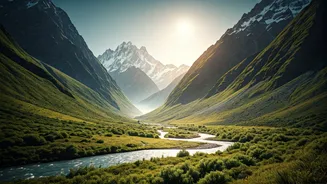
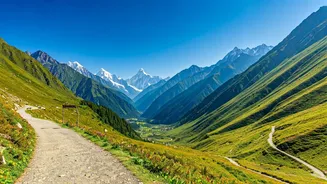
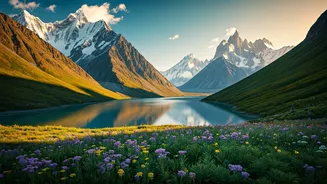
Often called one of Himachal's best-kept secrets, Pangi Valley in the Chamba district is a rugged and remote paradise. [6] Sandwiched between the mighty Pir Panjal and Zanskar ranges, it is cut off for much of the year, accessible primarily via the treacherous
Sach Pass from June to October. [9, 31] This isolation has preserved its raw beauty and traditional culture. The valley is a collection of smaller sub-valleys like Sural, Hudan, and Saichu, each offering unique landscapes of lush meadows, dense forests, and quaint villages. [6] Killar is the administrative headquarters and the main hub for exploring these areas. [6] The population is a mix of Hindu and Buddhist communities, with remote high-altitude villages, known as 'Bhatoris', showcasing distinct Tibetan-influenced culture. [6] Due to its challenging accessibility, Pangi is ideal for serious adventurers seeking an authentic, untouched Himalayan experience. [27]
Warwan Valley, Jammu & Kashmir
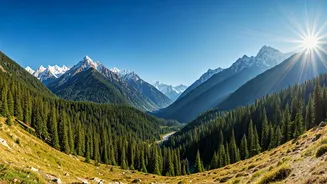
Tucked away in the Kishtwar district, Warwan is arguably one of the last truly wild valleys in the Indian Himalayas. [24] Unlike popular Kashmiri destinations, it sees very few tourists, ensuring a tranquil and unfiltered experience. [25, 35] The valley is a long, narrow corridor carved by the Maru Sudar River, featuring dense pine forests, rolling meadows (margs), and glaciated peaks. [24, 30] Access is primarily from the Kashmir Valley side via the Anantnag district and requires crossing the formidable Margan Top pass, which stands at over 12,000 feet. [24] The best time to visit is from June to September when the pass is open and the valley is in full bloom. [25] With no formal hotels, accommodation is limited to basic guesthouses and homestays, offering a genuine connection with the local way of life. [25] It’s a haven for trekkers, photographers, and anyone wanting to see Kashmir as it was before the tourist boom. [24]
Darma Valley, Uttarakhand
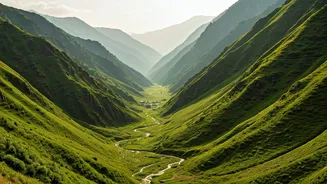
Located in the Pithoragarh district near the Indo-China border, Darma Valley is a stunning landscape shaped by the Darma River. [13, 32] Famous for its trek to the Panchachuli Base Camp, the valley is adorned with mesmerising waterfalls, sprawling meadows, and views of the magnificent Panchachuli peaks. [13, 33] The region is home to 12 tribal villages, where visitors can experience local life through homestays. [32] Reaching the valley requires an Inner Line Permit, obtainable in Dharchula, due to its proximity to the border. [17, 23] The journey often starts from Sobla or Dar and proceeds through a series of picturesque villages like Duktu and Dantu. [13] While the trek can be moderately difficult, improved road access in recent years allows vehicles to go deeper into the valley. [23] The ideal time to visit is from May to June and again from September to October, avoiding the monsoon landslides. [17, 23]
Lolab Valley, Jammu & Kashmir
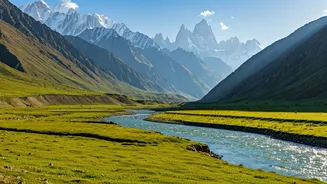
Known locally as Wadi-e-Lolab or the 'Land of Love and Beauty', this oval-shaped valley in north Kashmir’s Kupwara district is a picture of pastoral charm. [11, 16] Just over 100 km from Srinagar, it remains surprisingly untouched by heavy tourism, offering a peaceful alternative to more crowded spots. [12, 14] The valley is characterized by its lush green forests of deodar, sprawling apple and walnut orchards, and the meandering Lalkul (Lahwal) stream. [10, 16] Its serene environment and gentle landscapes make it ideal for relaxed family trips, nature walks, and photography. [12, 14] Key areas within Lolab include Chandigam, known for its meadows, and the historic Kalaroos village with its intriguing caves. [12] The best time to explore its beauty is during spring (April-May) when wildflowers are in bloom or summer (June-August) for pleasant weather and lush greenery. [11]
Tirthan Valley, Himachal Pradesh
While gaining popularity, Tirthan Valley in the Kullu district still feels like a hidden gem compared to its bustling neighbours. [18, 36] It serves as the gateway to the Great Himalayan National Park, a UNESCO World Heritage Site, making it a paradise for nature lovers, trekkers, and birdwatchers. [15, 37] The crystal-clear Tirthan River, famous for its trout, flows through the valley, offering excellent opportunities for fishing and riverside camping. [18] Charming villages like Gushaini and Jibhi provide tranquil escapes with quaint wooden homestays that allow for an authentic Himachali experience. [34, 36] Unlike more commercialized hill stations, Tirthan has managed to retain its quiet, pristine atmosphere, making it perfect for those looking to disconnect and immerse themselves in nature. [37]