
The Modern Comeback
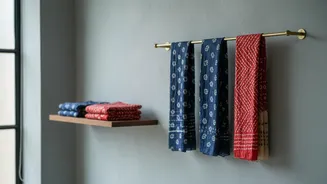
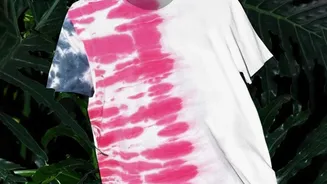
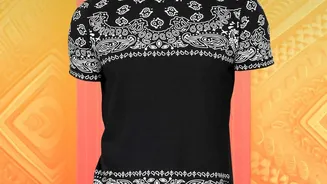
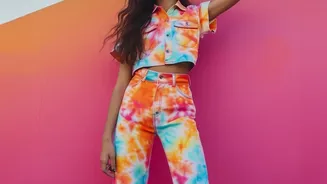
Fashion’s trend cycle is spinning faster than ever, and it has landed on a familiar, free-spirited favourite. Tie-dye is re-emerging in 2026, not with the oversized t-shirts of the past, but through the sharp, stylish punctuation of the bandana. Celebrities
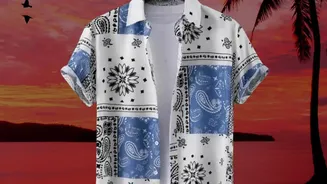
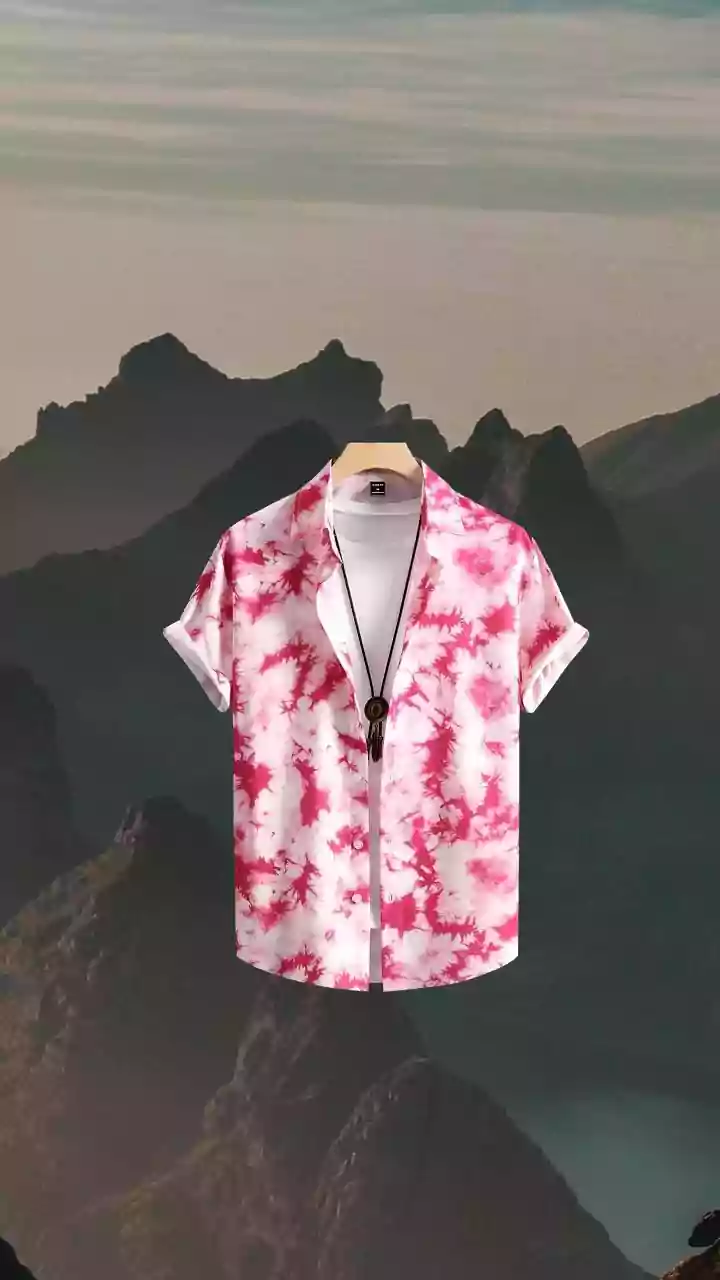
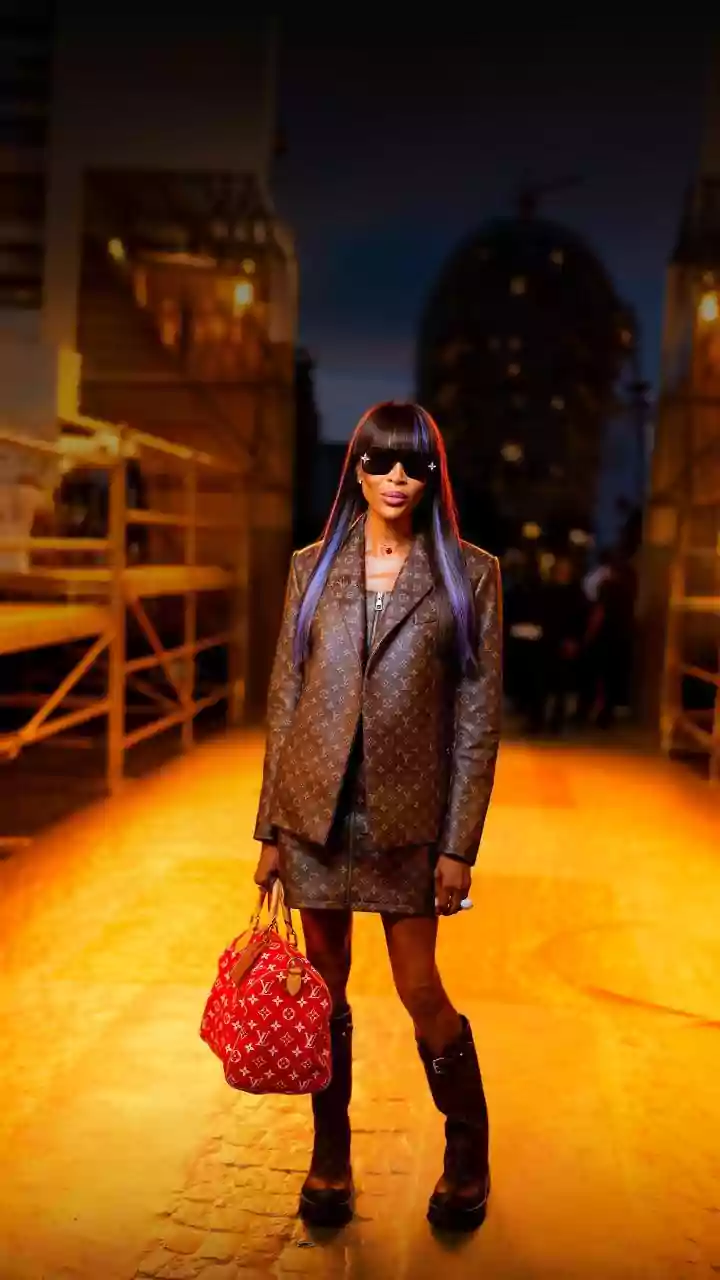
and influencers have been spotted across the globe, from Copenhagen Fashion Week to the streets of Mumbai, sporting the knotted accessory. Recent sightings on stars like Zendaya and Dua Lipa have cemented the bandana's status as the must-have accessory of the moment. This isn't just a fleeting social media moment; searches for bandanas have surged on resale platforms, indicating a genuine consumer shift. The trend is moving beyond the classic paisley, embracing vibrant, hand-dyed patterns that feel both personal and luxurious.
A Rich Heritage in Every Knot
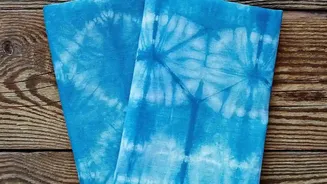
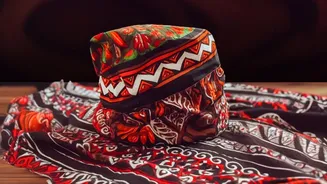
While the world rediscovers the bandana, India's relationship with this craft is ancient and unbroken. The modern bandana traces its origins directly to Indian 'Bandhani'. Derived from the Sanskrit word 'bandh' which means 'to tie', Bandhani is a tie-dye technique that dates back thousands of years to the Indus Valley Civilization. Practiced for centuries, particularly in Gujarat and Rajasthan, this intricate art involves plucking the fabric and tying it tightly with thread at thousands of points before dyeing. The result is a pattern of tiny, vibrant dots that form elaborate designs. Each pattern and colour traditionally holds meaning—red for a bride, yellow for a new mother. So, when you tie on a tie-dyed bandana, you're not just wearing a trend; you're connecting with a craft that has been passed down through generations of artisans.
Why Bandanas, Why Now?
The 2026 revival is more than just nostalgia. It speaks to a collective desire for authenticity and craftsmanship. In a world of mass production, a tie-dyed bandana feels unique and personal. The trend also aligns perfectly with the rise of modern Indian ethnic wear, which favours versatility and comfort. While heavy occasion wear has its place, fashion in 2026 is also about integrating traditional elements into everyday life. The bandana is the perfect entry point. It's an affordable, low-commitment way to participate in a trend and add a splash of colour and personality to any outfit. It's a small piece that makes a big statement, celebrating both artisanal skill and individual style.
Your Guide to Styling the Trend
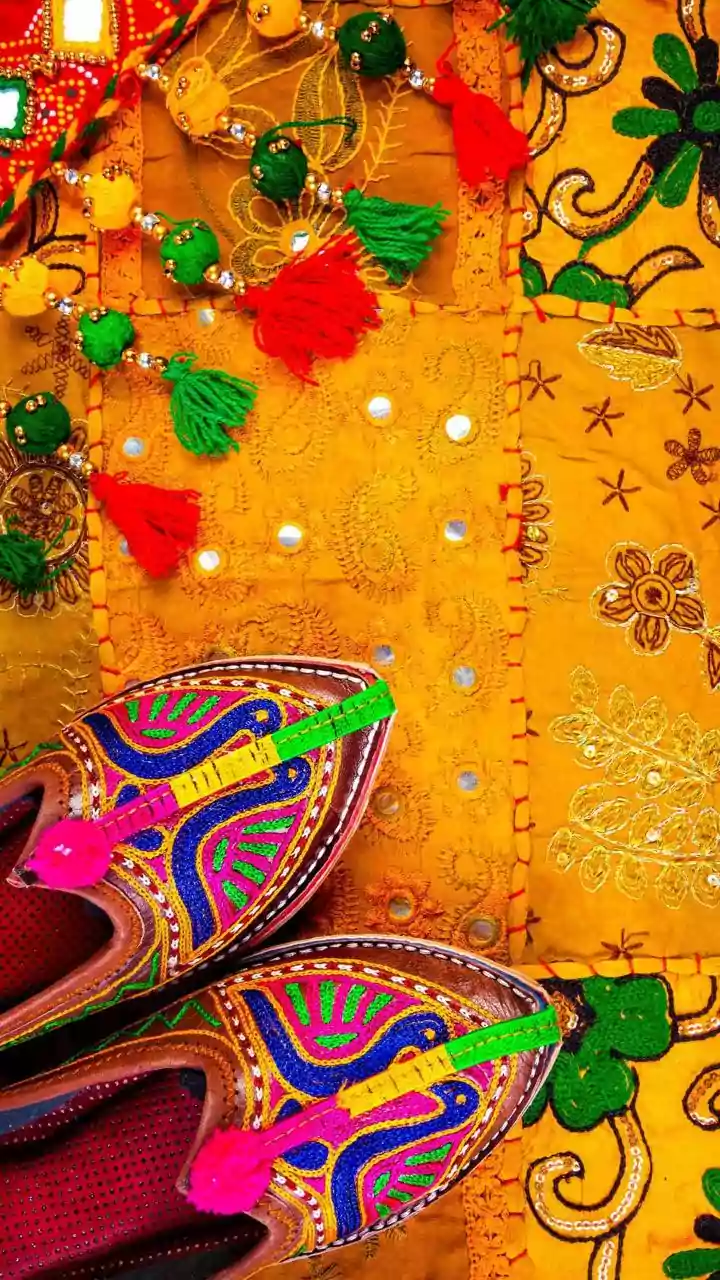
The beauty of the bandana is its versatility. There are countless ways to make it your own. For a classic look, fold it into a triangle and tie it as a headband or neckerchief. Feeling more adventurous? Wrap it around your wrist as a colourful bracelet, tie it to the handle of your handbag for a pop of colour, or use it to secure a ponytail. For a contemporary ethnic look, pair a bright Bandhani-print bandana with a simple white kurta and jeans. The contrast is chic and modern. It can also be folded neatly and worn as a pocket square in a blazer for a surprising and stylish detail. Don't be afraid to experiment; the goal is to let this small accessory reflect your personal style.
The Ripple Effect
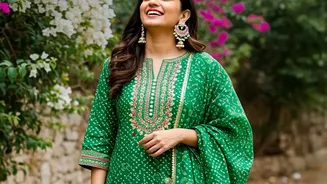
The bandana's resurgence is shining a spotlight on tie-dye in all its forms. The same prints and techniques are being celebrated in larger garments. In India, Bandhani is moving beyond just sarees and dupattas into everyday wear like co-ord sets, light kurta sets, and even anarkalis with modern cuts. Designers are reinterpreting these ancient patterns for a new generation, blending them with contemporary silhouettes. This renewed interest helps support the artisan communities in regions like Kutch and Rajasthan who have been the custodians of this craft for centuries. The bandana, therefore, is not just an accessory; it is an ambassador for a rich and living textile tradition.