


A New Wave of Indian Minimalism
For years, global minimalism has been defined by a cool, almost clinical aesthetic of clean lines, neutral palettes, and sparse greenery. In India, however, this trend is being reimagined with a distinctly local flavour. Home decor influencers and designers
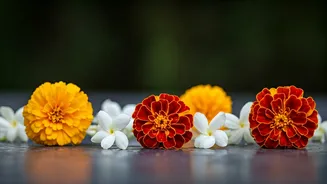
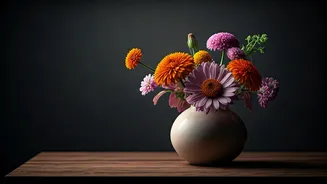
are championing a version of minimalism that feels both worldly and deeply familiar. It’s a style that declutters without losing its soul, pairing sleek, modern furniture with accents that tell a story. Into this evolving landscape enters the humble native flower. Instead of imported orchids or tulips, you’re now more likely to see a single, elegant tuberose stem in a ceramic vase or a brass bowl of floating marigolds on a clean-lined coffee table. This isn’t the abundant, festive floral decor of Indian weddings; it’s a more restrained, intentional use of blooms that brings colour, fragrance, and a touch of nature indoors.
Why Local Blooms Are Trending
This shift towards native flowers is driven by more than just aesthetics. There's a growing movement towards sustainability and supporting local economies. Choosing locally sourced flowers like jasmine (mogra), marigold (genda), or hibiscus reduces the carbon footprint associated with importing exotic species. It’s a conscious choice that aligns with a broader trend of valuing artisanal, handcrafted, and eco-friendly items in home decor. Furthermore, there is a cultural resonance. For many, these flowers are tied to memories, festivals, and a sense of place. Using them in a modern, minimalist context is a way to connect with one's heritage while embracing contemporary design. It’s about creating a home that feels authentic and personal, blending the calm of minimalist design with the inherent warmth and vibrancy of Indian culture.
The Stars of the Show
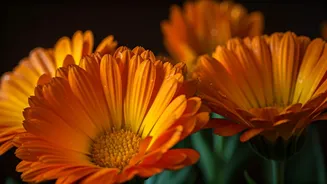
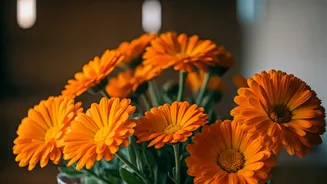
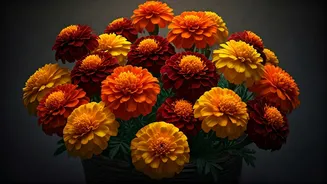
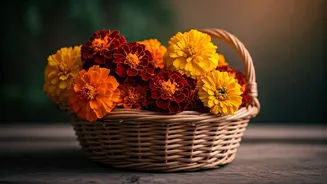
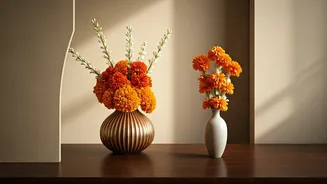
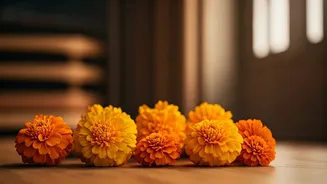
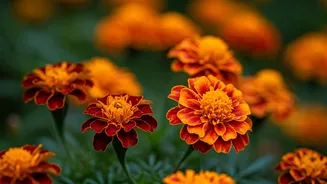
Several traditional Indian flowers are perfectly suited for this new minimalist role. Marigolds, often associated with auspicious occasions, are finding new life. A few bright orange and yellow blooms in a simple glass or clay vessel can add a powerful pop of colour to a neutral room. The intoxicating fragrance of jasmine and tuberose (rajnigandha) makes them ideal for bedrooms and living spaces, where a few strands or stems can perfume the entire area. The lotus, a symbol of purity, brings a serene and sculptural quality when floated in a bowl of water, perfectly complementing a Zen-inspired aesthetic. Even the everyday hibiscus (jaswand) can look stunning, with a single, vibrant flower placed on a side table for a fleeting moment of beauty. The key is in the presentation: simple, clean, and uncluttered.
How to Style Native Flowers Minimally
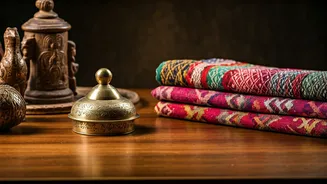
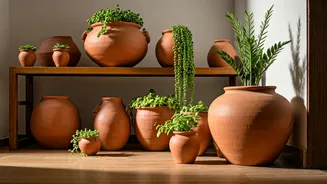
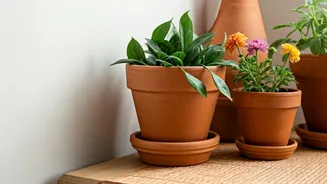
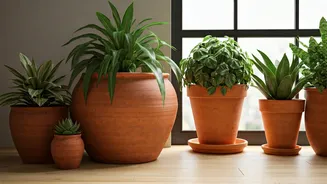
Adopting this trend doesn't mean your home will look like a temple or a wedding hall. The art is in the restraint. Think 'less is more'. Choose a single type of flower and let it be the hero. A handful of marigold heads floating in a wide, shallow bowl of water makes for a stunning, low-profile centrepiece. A tall, clear vase holding a few stems of tuberose can elegantly frame a window or doorway. Strings of jasmine, traditionally worn in the hair, can be draped over a minimalist mirror or headboard for a touch of fragrant artistry. Using simple, earthy vessels—like terracotta pots, brass urlis, or understated ceramic vases—helps ground the vibrant colours of the flowers and complements the natural materials often found in modern Indian interiors. The goal is to highlight the natural beauty of the bloom itself, turning it into a living piece of art.