


Nature’s Own Night-Lights
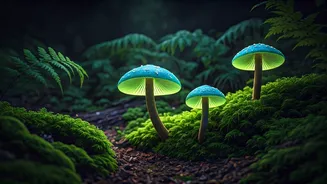
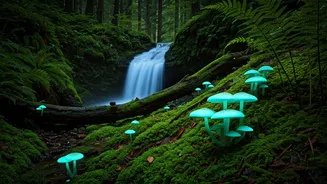
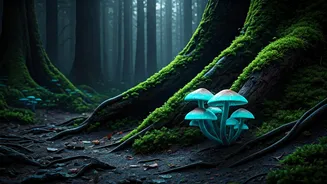
Deep in the damp, dark forests of India, a natural spectacle unfolds during the monsoon. Tiny fungi, often from the genus Mycena, begin to glow. This phenomenon, known as bioluminescence, is the result of a chemical reaction involving an enzyme called
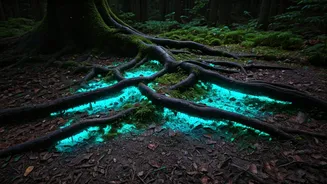
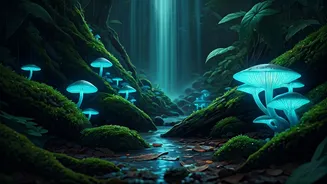
luciferase. The same process makes fireflies light up. Scientists believe the mushrooms glow to attract insects, which then help disperse their spores, ensuring the survival of the species. For trekkers, the effect is nothing short of enchanting. The forest floor, decaying logs, and tree trunks become dotted with clusters of these otherworldly green lights, transforming a familiar landscape into a scene from a fairy tale.
Where to Find the Glow in India
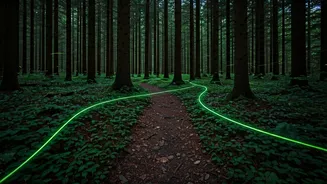
India is one of the few places in the world where you can witness this phenomenon. The Western Ghats are a primary hotspot. During the monsoon, the forests in Maharashtra and Goa come alive with these glowing fungi. Popular locations include the Bhimashankar Wildlife Sanctuary near Pune, the dense forests of the Chorla Ghat on the Goa-Karnataka-Maharashtra border, and several trails in the Sahyadri mountain range. Further east, the Khasi Hills of Meghalaya are also renowned for their bioluminescent mushrooms. Local communities have known about these 'electric mushrooms' for generations, sometimes even using them to navigate forest paths in the dark. For the best experience, choose areas with minimal light pollution.
The Best Time to Witness the Spectacle
Timing is crucial. The mushrooms require high humidity and moisture to fruit and glow, making the monsoon season the perfect time for a visit. Plan your trek between June and early October. The peak of the activity often occurs after a few consecutive days of heavy rainfall, when the forest floor is thoroughly soaked. The glow is only visible in complete darkness, so these treks must be undertaken at night. The best viewing hours are typically between 7 PM and 2 AM, after dusk has fully settled and before the moon becomes too bright. Always check local conditions, as the intensity and presence of the mushrooms can vary from year to year.
Essential Gear for Your Night Trek
A safe trek requires the right gear. First, invest in waterproof trekking shoes with excellent grip to handle slippery, muddy trails. A good quality raincoat or poncho is non-negotiable. For lighting, a headlamp is far better than a handheld torch as it keeps your hands free. Choose one with a red-light mode; red light helps preserve your night vision, making it easier to spot the faint glow of the mushrooms. Carry a fully charged power bank for your phone. An insect repellent is essential to ward off mosquitoes and leeches, which are common during the monsoon. Finally, pack a compact first-aid kit with antiseptic wipes, bandages, and any personal medications.
Safety First: Navigating the Trail
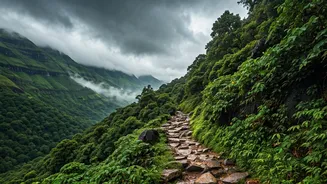
Night trekking in a monsoon-soaked forest carries inherent risks. The most important rule is to never go alone. Always hire a knowledgeable local guide who is familiar with the terrain and knows exactly where to find the mushrooms safely. Stick to marked trails and follow your guide’s instructions precisely. Before you leave, inform a friend or family member about your detailed itinerary and expected return time. Check the weather forecast for any warnings of extreme rainfall or storms. Walk slowly and deliberately, paying close attention to your footing on wet rocks and roots. Be aware of local wildlife and maintain a safe distance if you encounter any animals.
Look, Don't Touch: Respecting the Forest
While these glowing mushrooms look magical, it's vital to remember they are wild. Never touch, pick, or attempt to eat them. Many species of wild mushrooms are highly toxic, and distinguishing between safe and poisonous varieties is a job for expert mycologists. Admire their beauty from a distance and take photos without using a harsh flash, which can spoil the natural ambiance. Practise a strict ‘leave no trace’ policy. Pack out everything you pack in, including food wrappers and water bottles. By respecting the delicate forest ecosystem, you help ensure that these natural wonders can be enjoyed by others for years to come.