





The New Beauty Capitals
The narrative that premium beauty is a metro-centric affair is officially outdated. The industry's next wave of growth is not coming from Mumbai or Delhi, but from cities like Jaipur, Lucknow, Surat, and Guwahati. Reports from e-commerce giants and market
analysts consistently show that non-metro regions now account for a staggering portion of beauty sales, with some platforms seeing two out of every three orders originating from Tier-2 and Tier-3 cities. This isn't just about mass-market products; the demand for premium, luxury, and specialized beauty is surging. Amazon India, for instance, reports that over half of its premium beauty demand now comes from these smaller cities, prompting it to add over 100 new global brands in 2026 alone.
Digital Access and Rising Aspirations
The primary catalyst for this shift is the potent combination of digital penetration and rising aspirations. The widespread availability of smartphones and high-speed internet has effectively erased the information gap that once existed between metros and smaller towns. Consumers in cities like Cuttack, Patiala, and Kolhapur now have the same access to global trends, influencer reviews, and product information as their counterparts in larger urban centres. This exposure, coupled with rising disposable incomes, has created a new class of discerning consumers. They are no longer just aspiring to trends but are actively participating in them, seeking high-quality, ingredient-led, and even premium products that were once inaccessible.
The D2C Revolution
Direct-to-Consumer (D2C) brands have been instrumental in unlocking this new market. By bypassing traditional retail networks, these nimble, digital-native companies can reach consumers in nearly 22,000 pin codes across the country. Brands like Sugar Cosmetics, Mamaearth, and Plum have built their success by catering to Indian skin tones and needs, and a significant portion of their sales—often over 60%—comes from outside the major metros. They leverage social media and regional influencers to build authentic connections, creating relatable content that resonates more deeply than traditional celebrity endorsements. This D2C boom has made the market more competitive and has forced legacy brands to rethink their distribution and marketing strategies.
From Aspiration to Daily Ritual
Beauty is no longer reserved for special occasions; it has become an integral part of daily life for a new generation of consumers, particularly Gen Z, who are driving much of this growth. This is reflected in the 'stepification' of beauty routines, where consumers are adopting multi-step skincare and haircare regimens. The demand is not just for makeup but for a wide range of products, including skincare, fragrances, and men's grooming, which has seen explosive growth. This evolution from aspirational use to daily ritual signals a fundamental shift in consumer behaviour, turning beauty into a form of self-care and personal expression.
The Omnichannel Future
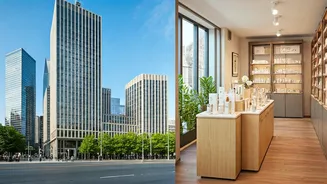
While online is the primary driver, the future is decidedly omnichannel. Recognizing the power of a physical presence, e-commerce giants like Nykaa and even international brands like The Body Shop are aggressively expanding their retail footprint into Tier-2 and Tier-3 cities. These stores serve as experience centres, allowing customers to touch, feel, and test products, building trust and loyalty in a way that is difficult to achieve online alone. This hybrid model, blending the convenience of e-commerce with the tangible experience of brick-and-mortar retail, is proving to be the winning formula to capture the hearts and wallets of India's new beauty consumer.