







An Opportunity Born from a Nuisance
The term ‘rain-fed planting window’ describes a simple but powerful idea. The monsoon, which typically brings between 800-1,000 mm of rain to the city, saturates the ground, creating a temporary, ideal environment for planting. For a few crucial weeks,
the soil is soft and moist, allowing saplings and seeds to establish roots with a much higher chance of survival. The high humidity in the air also helps cuttings and new plants develop roots faster, while cooler temperatures reduce heat stress. This phenomenon turns a seasonal challenge into an ecological opportunity, allowing residents to leverage the abundance of natural water that would otherwise contribute to waterlogging on impervious city surfaces. It’s a moment when nature provides the perfect conditions for greening efforts to take hold.
Citizens and Communities Seize the Moment
This isn’t just a weather event; it’s a call to action that Bengaluru’s residents are answering. All over the city, from apartments in Koramangala to independent homes in Jayanagar, people are using this window for personal and community gardening. Citizen-led groups have long been active in the city's environmental scene, leading lake restoration projects and afforestation drives. The monsoon window amplifies these efforts. In late June 2026, a massive city-wide initiative was announced to plant 1.5 million native saplings, strategically timed to coincide with the rains. This organised drive, involving government bodies and public organisations, aims to plant trees along lake bunds, parks, and other ecological zones, turning a shared climate reality into a collective greening mission.
A Boost for Urban Farming
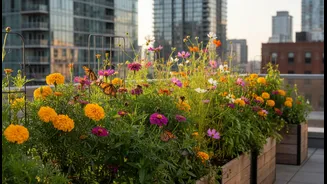
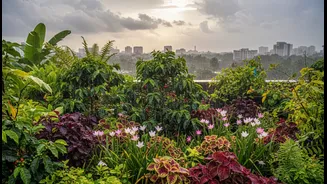
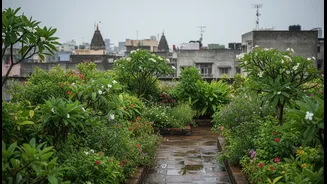
The planting window is a boon for India’s growing urban farming movement. Bengaluru is already a hub for agri-tech and innovative farming models, including rooftop gardens and vertical farms. The monsoon season is seen as the best time to start a garden, as the natural watering reduces effort and the climate is ideal for many plants to thrive. Moisture-loving plants like Rainy Lilies, which bloom just days after a heavy shower, and fast-growing species like Money Plant and Coleus, become popular choices for balconies and terraces. This seasonal advantage supports the broader goal of making cities more self-sufficient in food production, reducing food miles, and providing residents with fresh, locally-grown produce. As urbanisation continues, leveraging natural cycles like the monsoon for food cultivation becomes increasingly vital.
A Blueprint for Other Indian Cities?
Bengaluru's experience holds valuable lessons for other Indian metros grappling with similar issues. Cities like Mumbai, Delhi, and Chennai also face intense monsoons, urban flooding, and the 'urban heat island' effect, where concrete and asphalt make cities significantly warmer than surrounding rural areas. Bengaluru's approach of harnessing rainwater for greening is part of a larger strategy for climate resilience. Simple rainwater harvesting techniques, such as creating recharge pits or using rain barrels for gardening, can be adopted anywhere. By viewing monsoon runoff not as waste but as a resource, other cities can empower their citizens to increase green cover, mitigate flooding, and build more sustainable urban ecosystems. The Bengaluru Climate Action Plan itself is designed to be a framework that strengthens the city's adaptive capacity.
Challenges and the Path Forward
Of course, the opportunity is not without its challenges. The planting window is fleeting, and the success of these new green spaces depends on long-term care. While the monsoon provides the initial boost, the plants need to survive the dry spells that follow. The 2026 monsoon itself has been patchy, with a delayed start and uneven distribution across Karnataka, which could impact sowing for both urban gardeners and rural farmers. The key to sustainability lies in choosing native plant species that are adapted to the local climate and require less maintenance. Citizen groups stress the importance of ongoing efforts like de-weeding and watering after the rains subside to ensure the high survival rate of saplings. The ultimate success of this rain-fed revolution depends on converting seasonal enthusiasm into year-round stewardship.