



Think Function, Not Just Food
The first step to becoming a master of substitution is to change how you see ingredients. Instead of viewing a carrot as just a carrot, ask what purpose it serves in the dish. Is it there for sweetness? A pop of colour? Or is it there for its firm, crunchy
texture? More often than not, an ingredient’s primary role is textural. A dish with only soft components can feel monotonous, while one with contrasting textures—like crunchy nuts in a creamy yoghurt or crisp onions on a soft dal—feels dynamic and complete. When you're missing an ingredient, your goal isn't just to replace the item, but to replace its structural contribution. This shift in thinking is the key to unlocking more creative and successful substitutions. By identifying the textural job of the missing ingredient, you open up a world of possibilities far beyond a simple one-for-one swap.
How to Swap by Texture
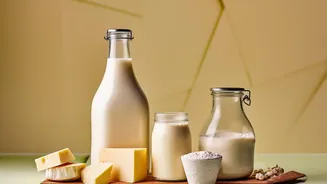
Let's put this into practice. Break down textures into simple categories. If your recipe needs 'crunch', and you're out of celery for a salad, don't panic. Think about what else provides that satisfying snap. Raw bell peppers, jicama, radishes, crisp apple, toasted nuts, or even crunchy sev could work. If a recipe calls for a 'creamy' element like sour cream, you could substitute with thick Greek yoghurt, cashew cream, or even mashed avocado, depending on the dish. For 'chewiness' in a vegetarian stir-fry, mushrooms or paneer could stand in for meat. For 'bulk and softness' from potatoes in a soup, you might use cauliflower florets or cooked beans. The idea is to build a mental library of ingredients grouped by the texture they provide. This allows you to maintain the intended mouthfeel of the dish, which is often just as important as the flavour.
The Finishing Touch: Acidity
Once you've solved the texture puzzle, it's time for the second step: balancing with acid. Acidity is the secret weapon of great cooks. It acts as a flavour enhancer, brightening and lifting all the other tastes in a dish. If a meal feels heavy, flat, or just 'missing something,' it often needs a pop of acid. After making your textural substitution, taste the dish. Did your swap add richness where there was none before? A bit of acid can cut through that. For example, if you used creamy avocado instead of crunchy cucumber in a wrap, a squeeze of lime juice will prevent it from feeling too dense. Common sources of acidity in the kitchen include citrus juice (lemon, lime), various vinegars (apple cider, white wine), tomatoes, tamarind, and fermented products like yoghurt or buttermilk. The goal isn't to make the dish taste sour, but to use acid to make all the other flavours shine.
Putting It All Together: A Real-World Example
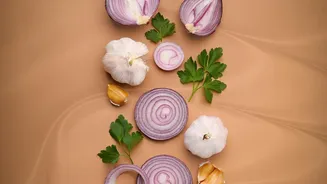
Imagine you're making a chickpea salad that calls for finely chopped red onion for its sharp bite and crunch. You don't have any. First, think texture. What else is crunchy? You find a green apple in your fridge. It will provide an excellent crunch. So, you chop it up and add it to the chickpeas. Now, for step two: acidity. You taste it. The apple provides crunch, but it also adds sweetness, and you've lost the sharp bite of the onion. To bring back that balance, you might add an extra splash of apple cider vinegar or a generous squeeze of lemon juice to the dressing. This counteracts the apple's sweetness and restores the bright, zesty profile the dish was meant to have. You've not only saved your meal but created a version that is uniquely yours, all by following the simple rule: texture first, then acid.