






Why Clutter Creates Chaos
The link between a messy environment and a stressed mind is well-documented. When your counter is overflowing, your brain has to process a constant stream of visual distractions, making it difficult to focus on the task at hand. This visual noise increases
levels of the stress hormone cortisol, turning what should be a creative and enjoyable activity into a frustrating chore. Every item sitting out of place is like a tiny, unfinished task on a to-do list, creating a sense of being perpetually behind before you’ve even started chopping vegetables. Clearing the physical clutter provides a mental break, freeing up cognitive resources so you can focus on your recipe, not the mess.
Conduct a Countertop Audit
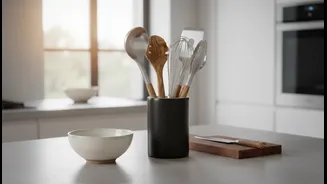
Before you can reclaim your space, you need to understand what's taking it over. Most counter clutter falls into a few key categories. First, there are the 'homeless' items: mail, keys, sunglasses, and papers that get dropped on the first available surface. Second, there are the appliances. The toaster, air fryer, blender, and coffee maker are often left out for convenience, even if they're only used for a few minutes each day. Finally, there's the 'just-in-case' clutter: decorative items that impede function, rarely-used utensils in a crock, and speciality gadgets you thought you needed. Identifying these culprits is the first step toward finding them a proper home.
The Three-Step Clear-Out Method
Tackling the entire counter at once can feel daunting. Instead, follow a simple, systematic approach. First, completely clear everything off your counters. Put it all on your kitchen table or another large surface. This gives you a clean slate and a true sense of the space you have. Next, sort the items into three piles: keep, store, or discard. Be ruthless with items you haven't used in a year. For things you use infrequently, find a home for them in a cabinet or pantry. Finally, before putting anything back, give the empty counters a thorough wipe-down. This small act reinforces the feeling of a fresh start and motivates you to be selective about what returns.
Only the Essentials Earn a Spot
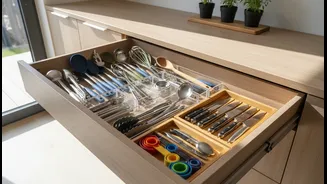
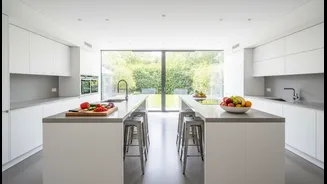
The goal is not to have completely barren counters, but to be intentional about what lives there. As a rule, only items used daily should earn a permanent spot. This might include your coffee maker, a knife block, and a small tray for soap and a sponge. For everything else, the most important principle of organization is to give every single item a designated home. Spices and oils are better stored in a cool, dark cabinet to prevent them from going rancid. Utensils can go in a drawer. Small appliances used weekly can live in an accessible cupboard. This philosophy, often called 'mise en place' in professional kitchens, ensures that your workspace is clear and ready for action when you need it.
Smart Storage and Lasting Habits
To keep clutter from creeping back, you need smart systems. Use vertical space with wall-mounted shelves or magnetic strips for knives. Trays are excellent for grouping items like a coffee station, making a collection of things look like a single, contained unit. Most importantly, adopt new habits. The 'one-touch rule' is a powerful tool: when you bring mail in, deal with it immediately instead of setting it down. After using a spice or an appliance, put it away right after use. And finally, implement a two-minute 'evening reset'. Before bed, take a moment to wipe the counters and put away any stray items. Waking up to a clear, calm kitchen can transform your entire morning and make you excited to cook again.