







From Kirana Goods to Gadgets
Quick commerce, or q-commerce, was born out of the need for speed in grocery delivery. Platforms like Zepto, Blinkit, and Swiggy Instamart built a revolutionary model based on a network of 'dark stores'—hyperlocal warehouses designed for 10 to 20-minute
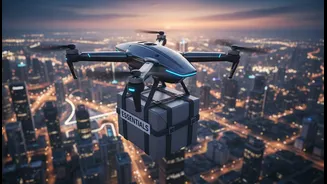
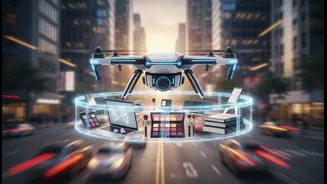
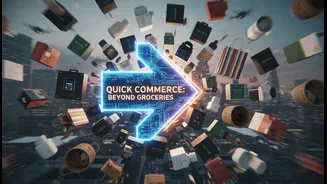
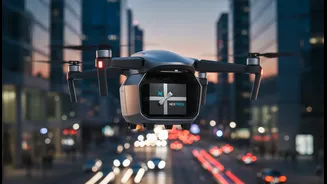
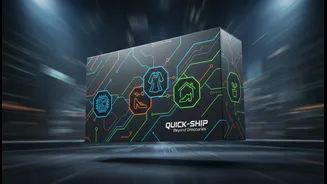
dispatch. Initially focused on daily essentials like milk, bread, and vegetables, these services solved the problem of last-minute needs. But the industry is undergoing a seismic shift. Today, these platforms are rapidly expanding their catalogues to include high-value items like electronics, personal care products, apparel, and even small home appliances. It's no longer just about getting snacks in a hurry; it's about ordering a smartphone, a new pair of sunglasses, or a skincare product and having it arrive at your door in minutes.
The Business Case for 'Everything, Now'
The move beyond groceries is a strategic play for profitability and market dominance. While groceries are a high-frequency purchase, they typically have low-profit margins. By adding categories like electronics, fashion, and beauty, q-commerce players significantly increase their average order value (AOV). A single order for an Apple Watch or a premium skincare set can be far more profitable than dozens of grocery orders. This expansion transforms the business model from a low-margin convenience service to a full-fledged retail channel. Companies are partnering directly with major brands, from tech giants like Apple and ASUS to popular D2C labels, to feature their products. This not only broadens their appeal but also turns their apps into powerful retail media platforms where brands can gain instant visibility.
The Logistical Leap Required
Delivering a smartphone in 10 minutes presents a completely different set of challenges than delivering a carton of milk. The logistics have to evolve. High-value items require secure storage, specialized handling, and robust inventory management systems that can track products across hundreds of dark stores in real-time. Some platforms have even introduced dedicated 'large order' delivery fleets to handle bigger items. The complexity doesn't stop there. Demand forecasting becomes critical; stocking the wrong phone model or brand can lead to significant losses. Companies are heavily investing in AI and data analytics to predict what customers in a specific neighbourhood will want to buy, ensuring that the right products are in the right dark store at the right time.
Reshaping Our Daily Shopping Habits
This evolution from grocery to all-encompassing retail is fundamentally changing consumer behaviour. The promise of instant delivery eliminates the need for planning. A broken phone charger, a last-minute gift, or a spontaneous desire for a new pair of headphones no longer requires a trip to the store or a two-day wait for an e-commerce delivery. This instant gratification is turning q-commerce into the default starting point for a growing number of shopping needs, especially among urban Gen Z and millennial consumers. It's fostering a culture of impulse buying and creating new consumption moments that didn't exist before. As quick commerce accounts for a rapidly growing share of India's e-retail market, it's becoming less of a niche service and more of a mainstream channel that dictates consumer expectations for speed and convenience across the board.