






Extraction: The Tale of Two Oils
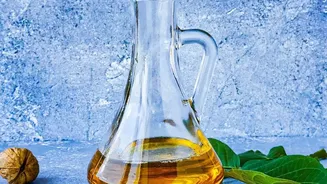
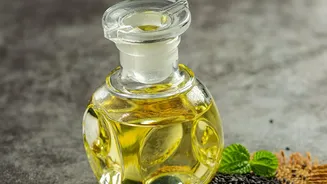
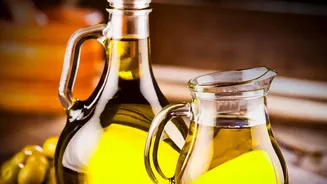
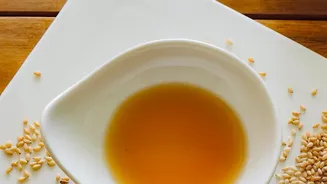
The primary difference between cold-pressed and refined oils lies in how they are made. Cold-pressed oils are extracted using a simple mechanical press without high heat or chemical solvents. Think of traditional methods like a wooden press (kachi ghani
or marachekku), which slowly crushes seeds like mustard, groundnut, or sesame to release oil. This gentle process ensures the oil retains its natural flavour, aroma, and, most importantly, its nutrients like antioxidants and vitamins. Refined oils, on the other hand, are produced on an industrial scale. The process involves high heat and chemical solvents to extract the maximum amount of oil from the seed. This is followed by further processing stages like bleaching and deodorising to create a neutral-tasting oil with a long shelf life and a clear appearance. While efficient, this intensive method strips away many of the natural nutrients, flavours, and aromas found in the original seed.
Understanding the All-Important Smoke Point
The 'smoke point' is the temperature at which an oil stops shimmering and starts to produce a visible smoke. This is a sign that the oil is breaking down. When oil is heated past its smoke point, its fat molecules degrade and can form harmful compounds, including free radicals. This not only imparts a burnt, unpleasant taste to your food but can also destroy the oil's nutritional benefits. Generally, the refining process gives oils a higher smoke point because the impurities that would normally burn have been removed. This is why refined oils are often marketed as being safer for high-heat cooking. However, the smoke point isn't the only factor to consider when choosing a healthy cooking oil.
Nutrition vs. Heat Tolerance
Herein lies the central debate. Cold-pressed oils are nutritionally superior. They are rich in natural antioxidants, vitamins like Vitamin E, and healthy fats that are often lost during the refining process. Their distinct flavours can enhance a dish, especially in traditional preparations. Refined oils offer higher heat tolerance and a neutral flavour that won't interfere with the taste of your ingredients. This makes them seem like a straightforward choice for high-temperature cooking methods. However, the trade-off is a significant loss of the natural, health-promoting compounds that make oils beneficial in the first place. The question for the home cook becomes: do you prioritize the higher smoke point of a refined oil or the superior nutrition of a cold-pressed one?
For Deep Frying and High Heat
For deep-frying foods like puris, samosas, and pakoras, a high smoke point is crucial to prevent the oil from breaking down. Refined oils like sunflower, rice bran, or groundnut oil are stable at the high temperatures required for frying. Their neutral taste is also a benefit, as it doesn't impart any unwanted flavour to the food. However, this doesn't mean cold-pressed oils are completely out. Certain traditional oils, like cold-pressed groundnut oil and mustard oil, have a reasonably high smoke point and good stability, making them suitable for frying on a medium flame. Many Indian households have traditionally used cold-pressed groundnut oil for this very purpose. Ghee, or clarified butter, is another excellent traditional fat with a very high smoke point, perfect for high-heat cooking and frying.
For Tadka, Sautéing, and Everyday Cooking
This is where cold-pressed oils truly shine. For everyday cooking like preparing sabzis, dals, and curries, the heat is generally in the low-to-medium range. Cold-pressed oils like mustard, coconut, and groundnut oil are perfect for these applications. When making a tadka, the aromatic compounds in cold-pressed oils complement the spices, releasing a richer flavour and aroma than a neutral refined oil ever could. Since the oil isn't heated to its smoke point for an extended period, you get the full benefit of both its flavour and its retained nutrients. Cold-pressed sesame oil is another fantastic choice, especially for South Indian dishes and stir-fries.