




The Lifeblood of the Islands
Long before it became a festival icon, the coconut palm was, and still is, the cornerstone of daily life in the Andaman and Nicobar Islands. In India, it is famously called 'Kalpavriksha', the mythological, all-giving tree, and for good reason. Every
single part of the tree serves a purpose. The fruit provides nutritious water and flesh, the husk is turned into coir for ropes and mats, the leaves are used for thatching roofs, and the trunk provides wood. This incredible utility makes the coconut tree a powerful symbol of self-sufficiency and nature's generosity, providing food, shelter, and income for countless islanders.
A Sacred Offering
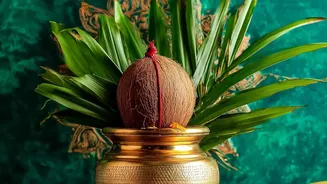
The coconut's significance transcends the practical and enters the spiritual realm. In Hinduism, the coconut is known as 'Sriphala' or the 'fruit of the gods'. Its three 'eyes' are often seen as representing the three eyes of Lord Shiva. Breaking a coconut is a deeply symbolic act performed across India at the start of new ventures, from buying a car to opening a business. This act represents the breaking of the ego and the humble surrender to the divine, clearing away obstacles for a fresh, pure start. Because the fruit remains sealed and unspoiled until it is broken, it is considered an ultimate symbol of purity, making it an indispensable part of pujas and religious ceremonies on the islands and beyond.
The Heart of the Carnival
The Andaman Carnival, also known as the Island Tourism Festival, is a grand 10-day event showcasing the unique culture, art, music, and traditions of the archipelago. While it features everything from aqua sports to tribal dance performances, the coconut takes centre stage in a dedicated 'Island Coconut Carnival'. This event, often held over two days, celebrates the fruit's immense contribution to the islands. It provides a platform for local artisans, entrepreneurs, and Self-Help Groups to display an amazing variety of coconut-based products. Visitors can explore everything from intricate handicrafts carved from coconut shells to a wide array of delicious coconut-based cuisine.
From Cuisine to Competition
During the carnival, the coconut is celebrated in every conceivable form. Food stalls overflow with delicacies where coconut is the hero ingredient, reflecting its central role in coastal cuisine. But the celebration is also interactive and fun. The event features a series of competitions that highlight traditional skills associated with the fruit. Enthusiastic locals and even tourists can participate in coconut de-husking competitions, pitting their speed and technique against each other. There are also contests for coconut-based art and cooking, encouraging creativity and showcasing the versatility of this incredible resource. These activities transform the coconut from a simple crop into a source of community pride and joyous celebration.
A Symbol of Identity and Future
Ultimately, celebrating the coconut at the Andaman Carnival is a celebration of the islands' identity. It is an acknowledgment of a natural resource that has sustained communities for generations. In a place known for its stunning natural beauty and unique ecological landscape, the coconut represents a harmonious relationship between people and nature. The festival not only honours age-old traditions but also looks to the future, promoting sustainable livelihoods and supporting local entrepreneurs who are finding innovative new uses for the 'tree of life'. It’s a bridge between the islands' past, present, and a future rooted in its most resilient symbol.