





Understanding Official Weather Warnings
The first step in making an informed decision is to understand the alerts issued by the India Meteorological Department (IMD). The IMD uses a colour-coded system to communicate the severity of expected weather. A 'Green' alert means all is well and no
advisory is in place. A 'Yellow' alert means 'Be Aware'; it indicates that weather conditions could worsen and cause disruptions. An 'Orange' alert means 'Be Prepared' for extremely bad weather that could disrupt transport and power. The highest level is a 'Red' alert, which means 'Take Action'. This indicates a significant threat to life and property from events like extremely heavy rainfall, and authorities advise immediate safety measures.
Your Destination Matters: Hills vs. Plains
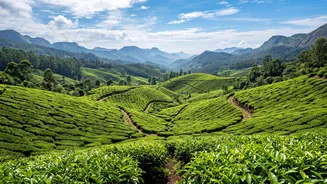
The level of risk heavily depends on your destination's geography. Hilly regions, such as those in Himachal Pradesh, Uttarakhand, and parts of Kerala and the Northeast, are particularly vulnerable during heavy rains. Saturated slopes can lead to landslides and flash floods, which can block roads for days and isolate entire towns. Recent monsoon seasons have repeatedly shown how quickly major highways in these areas can become impassable. In contrast, coastal areas and plains face different risks, primarily widespread waterlogging and urban flooding, which can cripple local transport, shut down airports, and lead to health concerns from waterborne diseases. While less prone to landslides, these areas can still see significant disruption to daily life and travel itineraries.
A Pre-Trip Checklist for Travellers
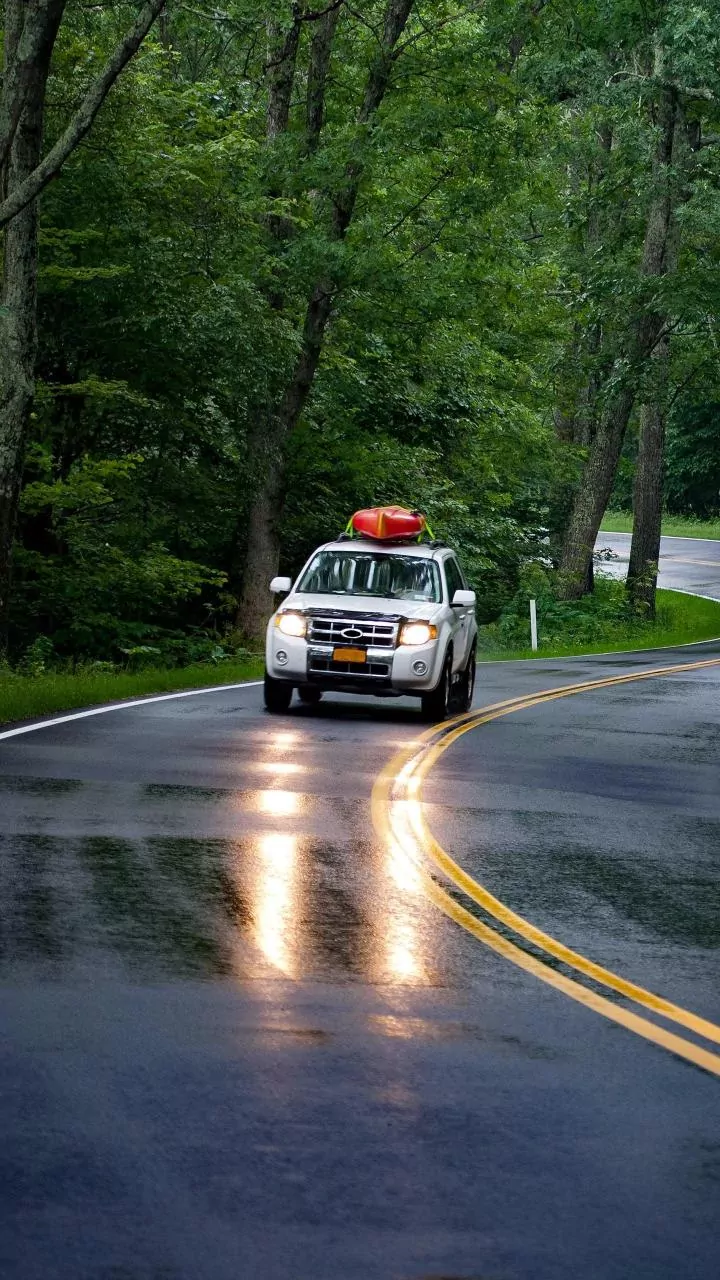
Before making a final call, ask yourself a few critical questions. First, what is your mode of transport? Road trips through vulnerable areas are riskiest, as road and rail traffic are often the first to be affected. Second, is your accommodation in a safe zone? Avoid staying in low-lying areas prone to flooding or on fragile hillsides. Third, how flexible is your itinerary? If your trip involves trekking, rafting, or other outdoor activities, they are likely to be cancelled. Finally, what is the on-ground situation? Check local news, social media travel groups, and official state disaster management websites for real-time updates, as conditions can change faster than forecasts suggest.
The Red Alert: A Clear Signal to Stop
While Yellow and Orange alerts call for caution and preparation, a Red alert is a clear signal to rethink your plans. A Red warning is issued when severe, life-threatening conditions are imminent or already occurring. Attempting to travel to or through a region under a Red alert is extremely risky and goes against the advice of disaster management authorities. If you are already at your destination when a Red alert is issued, the priority shifts from sightseeing to safety. Follow the advice of local authorities, stay indoors, avoid rivers and flooded areas, and be prepared for potential power outages and transport stoppages.
Checking Your Safety Net: Insurance and Cancellations
Financial considerations are also important. Before cancelling, review the terms of your travel insurance. Many comprehensive policies offer coverage for trip cancellations or interruptions due to natural calamities or extreme weather conditions. Keep in mind that you may need to provide proof that an official advisory was in place. For flights, if the airline cancels the service due to weather, you are entitled to a full refund or a seat on an alternative flight. While airlines are not typically required to pay extra compensation for weather-related cancellations, they are obligated to provide assistance like meals and accommodation for significant delays if you are already at the airport. Always check the specific cancellation policies of your hotels and transport providers, as many offer more flexibility during widespread weather disruptions.