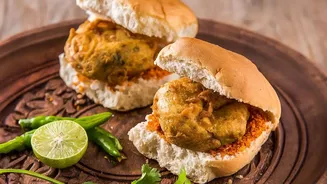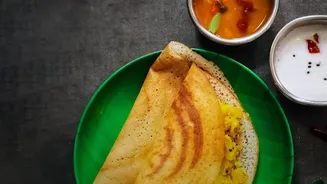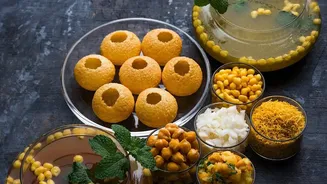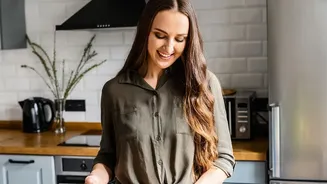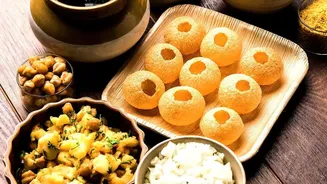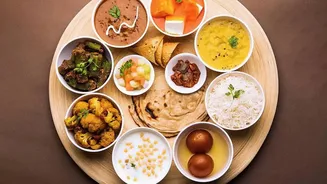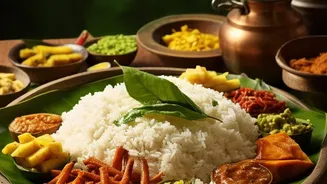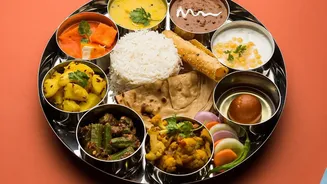



The sizzle of a hot tawa, the tangy burst of pani puri—Indian street food is an experience. Yet, a delicious shift is happening. Across urban India, home cooks are bringing these beloved snacks from the street to the stove. What's behind this trend?
The Quest for Hygiene and Health
The
primary driver behind this movement is a growing concern for health and hygiene. While the taste of street food is legendary, worries about contaminated water, unwashed hands, and general cleanliness persist. Studies have often highlighted the presence of bacteria in street-vended foods, linking them to illnesses like food poisoning and typhoid. By recreating snacks like dahi puri or bhel puri at home, cooks have complete control over the quality of ingredients—from the water used for chutneys to the oil for frying. This shift allows families to indulge their cravings without the accompanying anxiety. The availability of DIY kits for everything from pani puri to sev puri, which provide the base ingredients and masala mixes, has made this process even more convenient and reliable for urban households.
A Spoonful of Comfort and Nostalgia
For many Indians living in metropolitan hubs, far from their hometowns, food is a powerful emotional connector. Recreating a specific type of chaat or a regional snack is not just about the taste; it is about evoking cherished memories of childhood, college days, or festive family gatherings. The very act of preparing these dishes can be a comforting ritual that brings back a sense of home and belonging. In a fast-paced urban life, taking the time to make something from scratch that is tied to personal history offers a grounding, therapeutic experience. This desire for comfort and authenticity is a significant reason why traditional recipes are making a major comeback in modern Indian kitchens.
The Rise of the Creative Home Chef
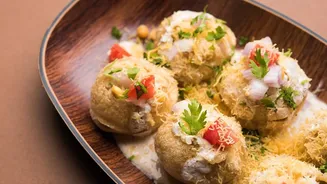
The pandemic lockdowns turned many kitchens into culinary laboratories, sparking a wave of experimentation. This period of forced home-cooking reignited a passion for the craft, empowering people with new skills and confidence. Social media platforms like Instagram and YouTube have played a huge role, turning home cooks into stars and making recipes more accessible than ever. Seeing visually appealing posts of homemade golgappe or a perfectly assembled papdi chaat inspires others to try it themselves. This has fostered a culture where cooking is not a chore but a creative outlet. Home cooks now experiment with fusion flavours, healthier variations like baked puris, and personalized spice levels, making the dish truly their own.
A New Recipe for Family Bonding
In an age dominated by digital screens, cooking provides a rare opportunity for a shared, handson family activity. The process of preparing a street food platter—frying puris, mixing fillings, preparing different types of pani—can involve everyone in the household. It becomes a collaborative event that brings generations together, from grandparents sharing traditional techniques to children helping with assembly. These moments of connection, centered around the shared love for food, create lasting memories and strengthen family ties. It transforms a simple snack time into a meaningful, collective experience, moving beyond the convenience of delivery apps to something more intentional and joyful.