

In the search for meals that are both nourishing and convenient, many are rediscovering the wisdom of the past. Ancient grains are making a powerful comeback, moving from tradition-bound dishes to modern, everyday meals with ease.
The Return to Our Roots
Ancient grains are varieties
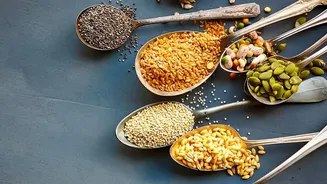
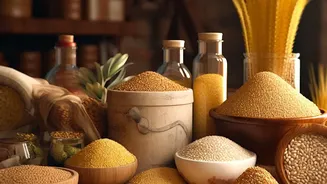
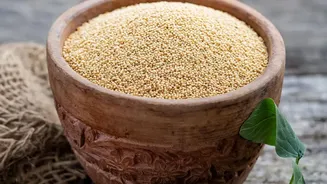
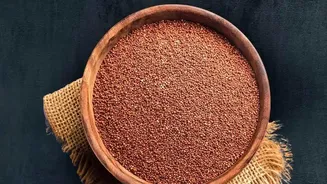
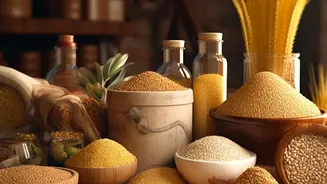
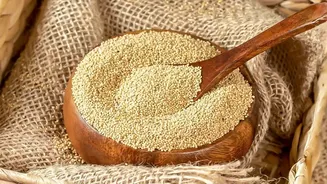
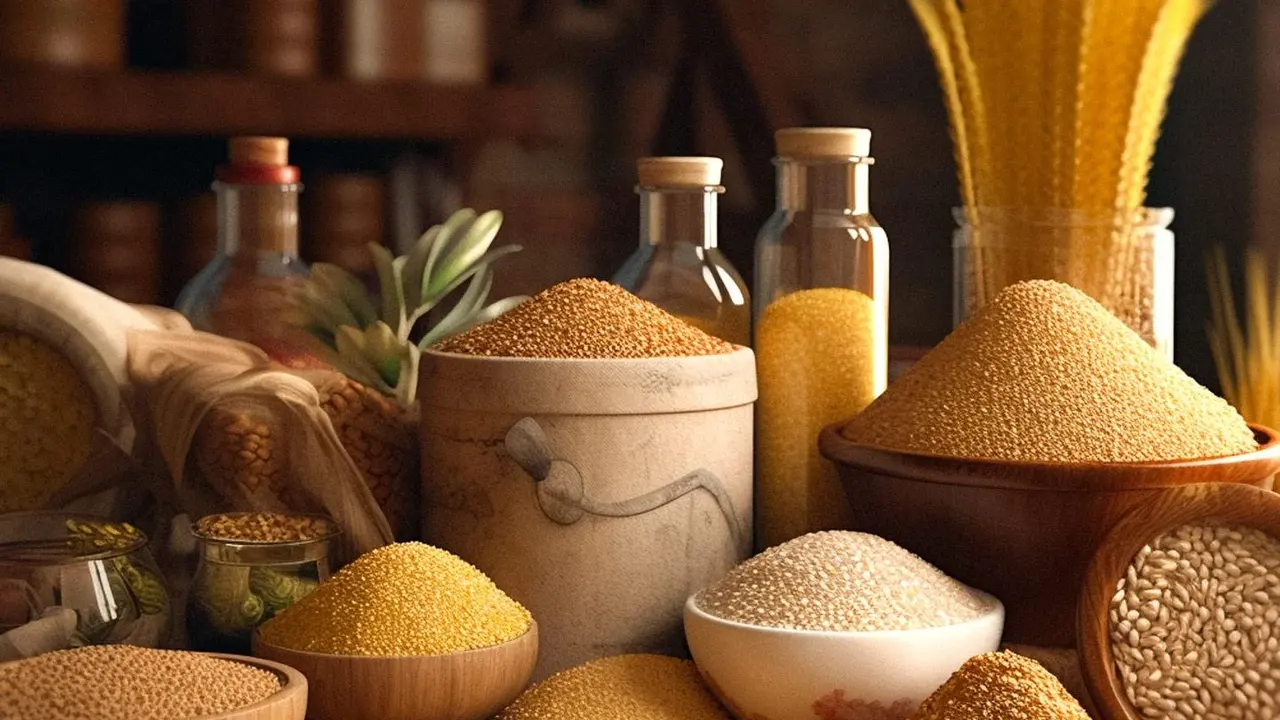
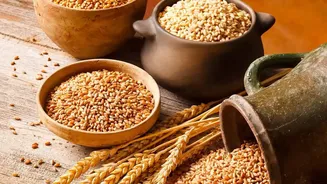
that have remained largely unchanged for centuries. Unlike modern crops bred for yield, grains like jowar (sorghum), bajra (pearl millet), ragi (finger millet), and amaranth (rajgira) have retained their original, robust nutritional profiles. These are not new fads but are deeply embedded in Indian culinary heritage, often appearing in regional staples and foods prepared during fasts. Their resurgence is driven by a desire for whole, unprocessed foods that offer significant health benefits without requiring a complete overhaul of our kitchens.
The Nutritional Powerhouse in Your Plate
The primary advantage of ancient grains lies in their nutritional density. They are typically consumed in their whole form, retaining the fibre-rich bran and nutrient-packed germ often stripped from refined flours like maida. This makes them an excellent source of dietary fibre, protein, B vitamins, and essential minerals like iron, magnesium, and potassium. For a country grappling with lifestyle diseases, the benefits are clear. The high fibre content aids in slower digestion, which helps regulate blood sugar levels and promotes a feeling of fullness, assisting in weight management. Furthermore, many of these grains, such as sorghum, amaranth, and all millets, are naturally gluten-free.
Perfecting the Tiffin with Millets
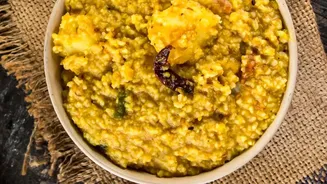
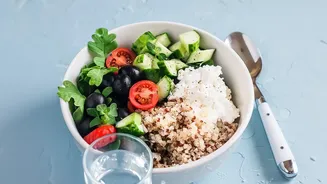
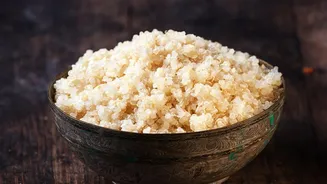
Millets like jowar and bajra are ideal for a packed office lunch. They are versatile and can easily replace rice or wheat in many familiar dishes. A simple jowar upma, made with pre-soaked and pressure-cooked whole grains, is a filling and nutritious option that travels well. You can also prepare a lemon millet dish, similar to lemon rice, for a light and tangy meal. For a heartier lunch, millet-based cutlets or tikkis, mixed with vegetables and spices, can be shallow-fried or air-fried and packed with a side of chutney. Soaking the grains for a few hours or overnight significantly reduces cooking time and results in a softer texture.
Energising Breakfast Bowls
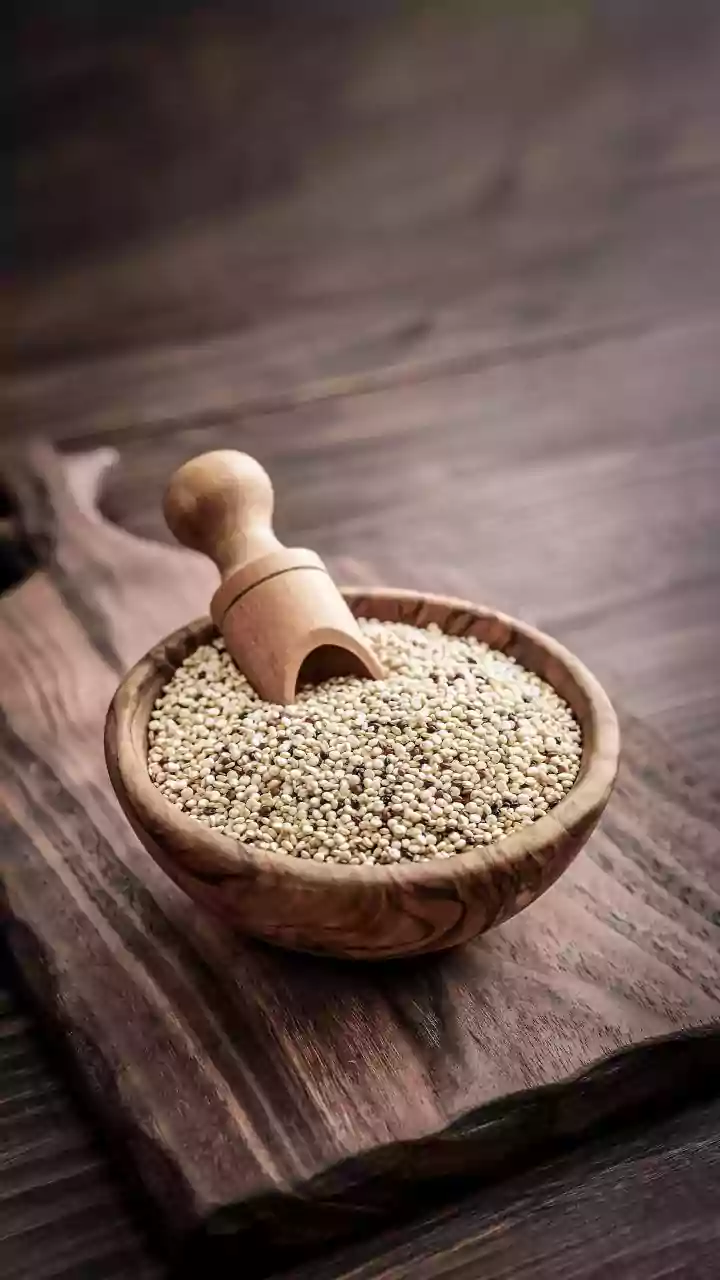
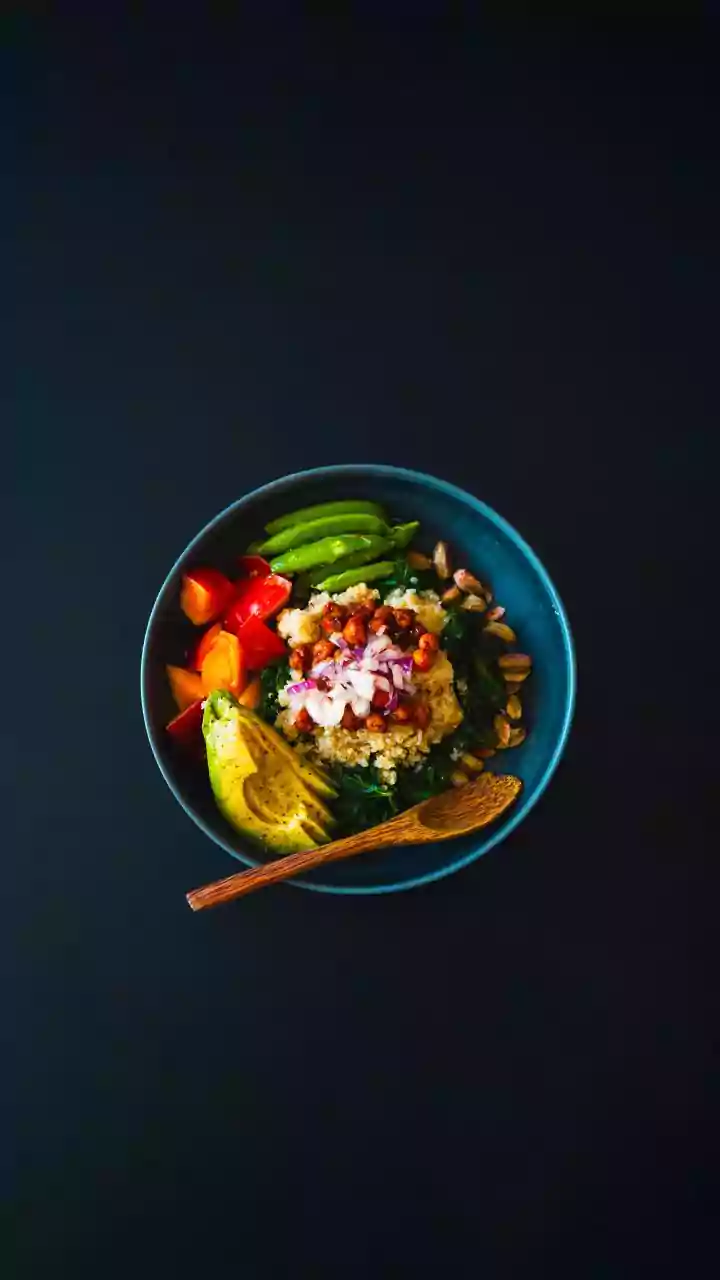
Morning meals get a serious upgrade with ancient grains. A warm porridge made from a mix of amaranth and quinoa offers a complete protein source to start your day. Simply simmer the grains in water or milk until they reach a creamy consistency, then top with fresh fruit, nuts, and a touch of jaggery or maple syrup. For a savoury start, a foxtail millet bowl with a classic South Indian tadka of mustard seeds, cumin, and curry leaves is both quick and flavourful. You can wilt in some spinach for added greens. Even a simple ragi malt, a thin porridge made from finger millet flour, serves as a quick, drinkable, and highly nutritious breakfast.
Simple Tips for Easy Integration
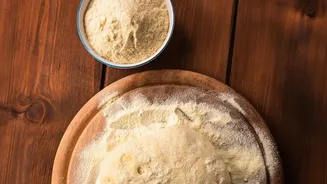
Adopting ancient grains doesn't have to be complicated. Start small by swapping one meal a day. Batch cooking is your biggest ally; cook a large portion of a grain like sorghum or foxtail millet over the weekend. Once cooked, it can be stored in the fridge for up to four days and quickly added to salads, stir-fries, or upma. Using a pressure cooker is another time-saving hack, especially for heartier grains like whole jowar, cutting cooking time significantly. You can also mix millet flours like ragi or bajra into your regular chapati atta to slowly introduce them into your family's diet.