
A Grounding Force in a Neutral World
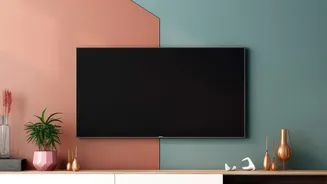
Contemporary minimalism is built on a foundation of simplicity: clean lines, uncluttered spaces, and a predominantly neutral colour palette. While this creates a sense of calm and order, it can sometimes feel sterile or cold. This is where terracotta
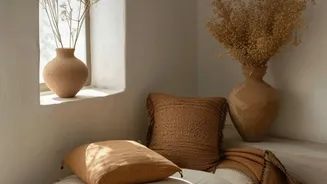
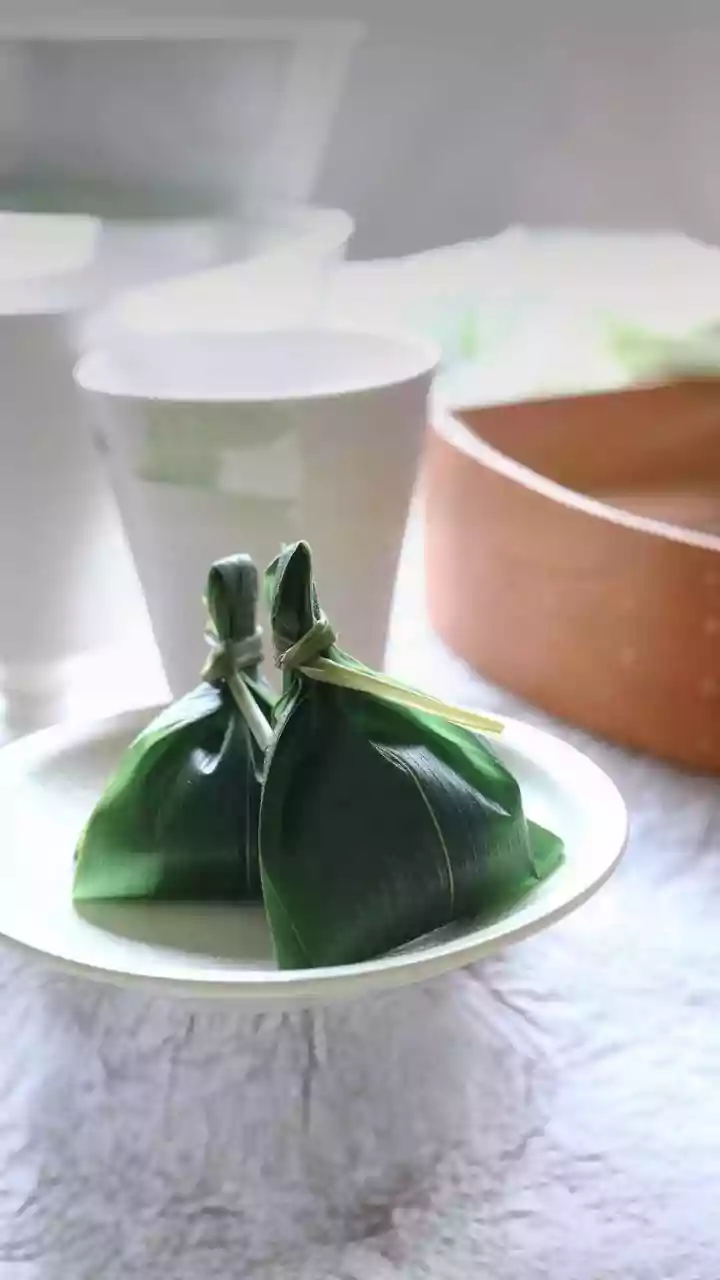
steps in. With its signature shades of burnt orange, rustic red, and earthy brown, terracotta introduces a dose of natural warmth that instantly makes a space feel more inviting. Its grounded, sun-baked tones provide a perfect counterbalance to the cool whites, soft greys, and muted beiges that define many minimalist homes, adding depth and emotion without disrupting the serene atmosphere.
The Beauty of Perfect Imperfection
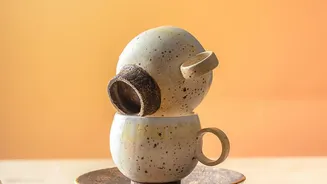
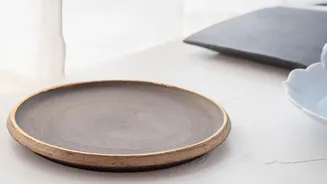
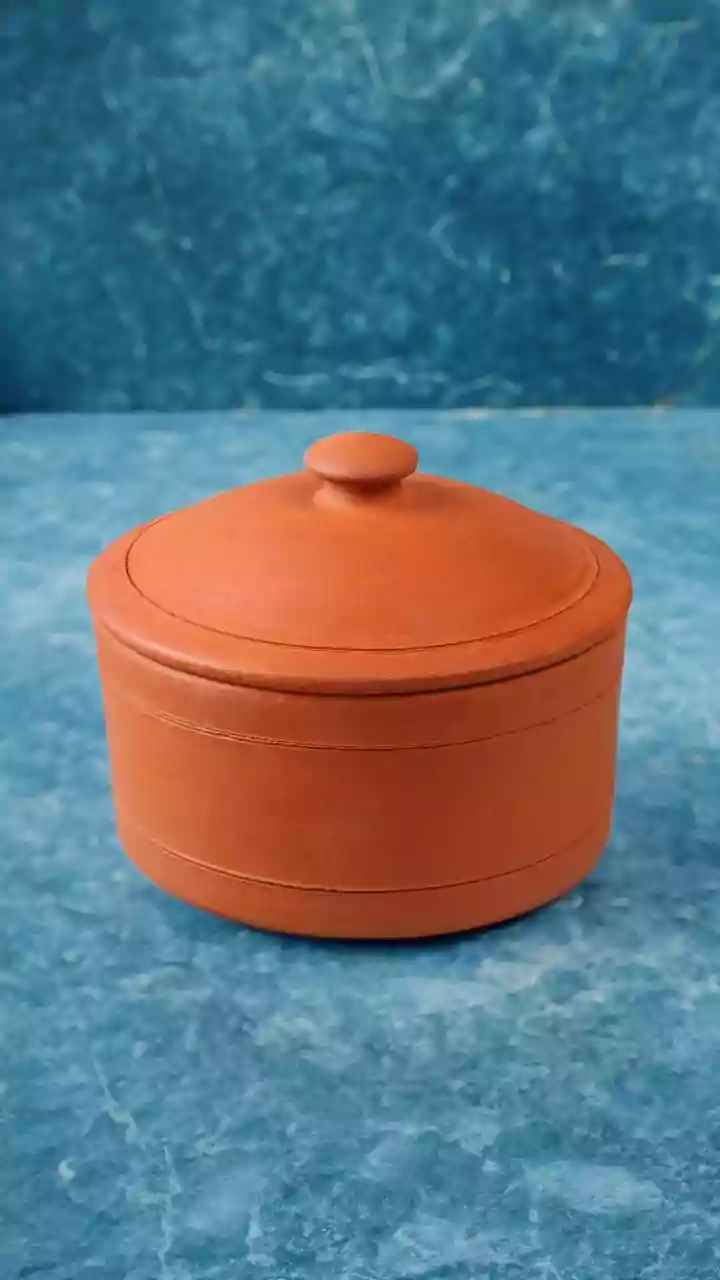
Minimalism often focuses on smooth surfaces and flawless finishes. Handcrafted terracotta, however, celebrates the opposite. Each piece, whether a vase, planter, or bowl, carries the subtle marks of its creation—slight variations in texture, shape, and finish. This raw, tactile quality introduces a human touch into a pristine environment. This concept aligns with the Japanese philosophy of wabi-sabi, which finds beauty in imperfection and transience. By placing a unique, handmade terracotta object in a minimalist setting, you create a focal point that tells a story and adds soulful character, preventing the space from feeling too uniform or mass-produced.
A Dialogue of Materials and Textures
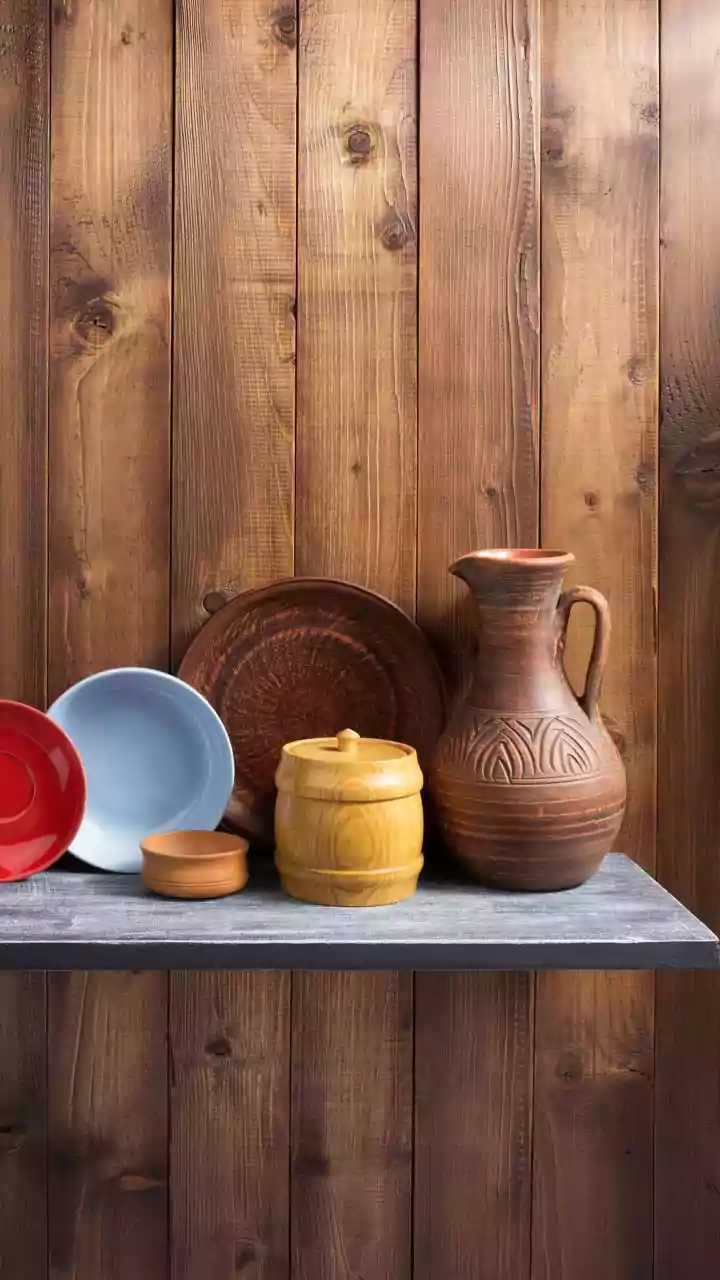
Great interior design is often a conversation between different textures. Minimalist interiors frequently feature modern materials like glass, polished concrete, and sleek metal. While beautiful, these materials can feel cold and hard. Terracotta, with its porous, matte, and slightly coarse surface, offers a rich textural contrast. This interplay of textures makes a room more dynamic and engaging to the senses. A rough terracotta planter on a smooth marble countertop or a soft-edged terracotta lamp on a sharp-lined metal side table creates a balanced composition where warmth and precision coexist beautifully.
Connecting with Nature Indoors
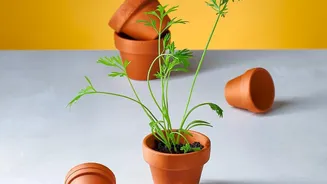
A growing trend in modern design is biophilia, the idea of bringing the outdoors in to enhance well-being. Minimalist design embraces this by favouring natural light and materials. Terracotta, meaning "baked earth" in Italian, is a fundamentally natural material, made from clay. Its very presence evokes a connection to the earth. It is the quintessential material for planters and pots, not just for its aesthetic but also for its porous nature that helps plants thrive. Using terracotta pots filled with greenery is one of the easiest ways to merge minimalism with biophilic design, creating a space that feels both clean and alive.
Sustainable, Timeless, and Versatile
In an era of conscious consumerism, terracotta stands out as a sustainable choice. It's a natural, non-toxic, and durable material that aligns with the growing desire for eco-friendly home decor in India and beyond. Unlike fleeting trends, terracotta has a timeless appeal, with a history stretching back millennia. This longevity resonates with the minimalist principle of choosing quality over quantity. Furthermore, its versatility is unmatched. From large floor tiles to small decorative sculptures, terracotta can be integrated in countless ways, allowing homeowners to add just a touch of its earthy charm or make it a central feature.