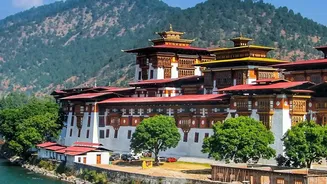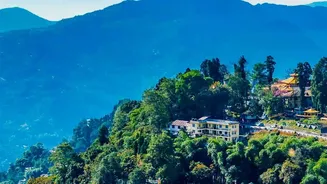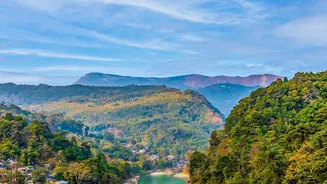


A Shift in the Traveller's Compass
For years, the eight states of Northeast India remained a relatively unexplored jewel for many travellers. But now, a significant shift in tourism is underway. An increasing number of visitors, weary of commercialised destinations, are seeking more meaningful
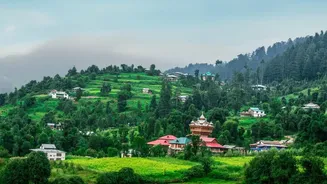
experiences. This has directed the spotlight onto the region’s incredible biodiversity, vibrant indigenous cultures, and pristine landscapes. The appeal lies not just in what you see, but in how you experience it. Travellers are choosing immersive journeys that respect both nature and local traditions, moving beyond sightseeing to active participation. This conscious choice is fueling a boom in a travel style that is inherently sustainable, community-focused, and deeply personal.
The Rise of Community-Led Tourism
The engine of this transformation is community-based tourism, with homestays leading the charge. In states like Sikkim, Meghalaya, and Arunachal Pradesh, local families are opening their homes to visitors, offering an unfiltered glimpse into their daily lives. Instead of the anonymity of a hotel, a homestay provides a chance to share meals, exchange stories, and understand a culture from the inside. This model ensures that tourism revenue flows directly into the local economy, empowering communities and providing sustainable livelihoods. It’s a powerful alternative to mass tourism, creating a direct link between the visitor's spending and the well-being of the host community, which in turn fosters a sense of ownership and pride in preserving their environment and heritage.
Guardians of the Land
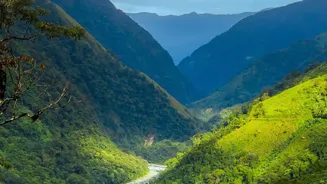
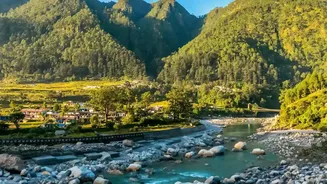
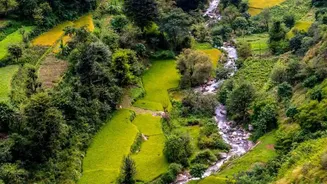
Sustainable travel in the Northeast is intrinsically linked to conservation. The region is a biodiversity hotspot, and community-led eco-tourism provides a powerful incentive to protect it. When livelihoods depend on a healthy ecosystem, local people become its most dedicated guardians. Initiatives often focus on low-impact activities like guided nature walks, birdwatching, and trekking through stunning landscapes like the Dzongu Valley in Sikkim or the living root bridge trails in Meghalaya. States like Sikkim have been pioneers, implementing official ecotourism policies that encourage community participation and environmental protection. This approach demonstrates that tourism can be a force for good, actively contributing to the preservation of the natural beauty that attracts visitors in the first place.
From Policy to Pavement
This grassroots movement is being amplified by strategic government support. Schemes like Swadesh Darshan 2.0 are helping to develop sustainable tourism circuits, and organisations like the North East India Tourism Confederation (NEITC) are working to promote the region as a unified, world-class destination. Recent tourism summits in 2026 have underscored a collective vision for coordinated growth that prioritises sustainability and community involvement. While challenges in connectivity and infrastructure remain, there is a clear and growing momentum. Official state policies, such as Mizoram's Responsible Tourism Policy, are creating frameworks that balance growth with conservation, setting a benchmark for others to follow. These efforts are helping to manage tourism's growth responsibly, ensuring its benefits are distributed widely and its impact remains positive.