





What Are Ceramides, Exactly?
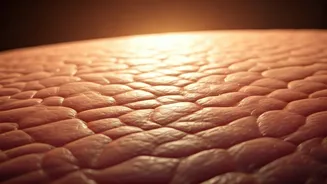
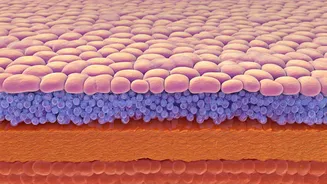
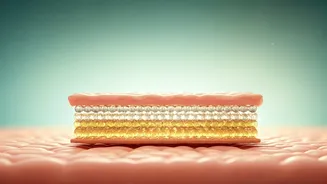
Let’s demystify the science. Ceramides are lipids, or fat molecules, that are found naturally in the outermost layer of our skin, the stratum corneum. Think of your skin cells as bricks; ceramides are the mortar holding them all together. They make up
over 50% of the skin's composition, forming a protective layer that helps prevent moisture loss and shields the skin from environmental aggressors like pollution and bacteria. In short, they are fundamental to how your skin looks, feels, and functions. Without them, the skin's barrier becomes compromised, leading to a host of issues.
The Gatekeepers of Your Skin Barrier
The primary job of ceramides is to maintain the integrity of your skin barrier. A healthy barrier is crucial for two main reasons: it keeps the good stuff in (like water) and the bad stuff out (like irritants and allergens). When ceramide levels are optimal, your skin feels hydrated, plump, and supple. This protective seal ensures that water doesn't evaporate too quickly from the skin's surface, a process known as transepidermal water loss (TEWL). When the barrier is strong, your skin is less likely to react to environmental triggers, resulting in a calmer, more even-toned complexion. They are the unsung heroes responsible for that healthy, dewy glow we all covet.
Why Do We Lose Them?
If ceramides are naturally occurring, why do we need to add them back with skincare? Unfortunately, our natural supply isn't infinite. Ceramide levels deplete with age, starting as early as our twenties. By the time we are in our thirties, we have lost a significant amount, and this continues to decline over time. Other factors accelerate this loss, including sun exposure, harsh weather conditions (like dry winter air), over-exfoliating with strong acids or scrubs, and using cleansers that strip the skin of its natural oils. When ceramide levels drop, the 'mortar' between your skin 'bricks' develops cracks. This compromised barrier can lead to dryness, flakiness, itching, redness, and increased sensitivity. Conditions like eczema and psoriasis are often linked to a deficiency in ceramides.
Finding Ceramides in Your Skincare
The good news is that we can replenish our skin's ceramide levels topically. When shopping for products, look for the word “ceramide” on the ingredient list. You might see names like Ceramide AP, Ceramide EOP, Ceramide NP, or phytoceramides (plant-derived versions). However, a product is most effective when it contains not just ceramides, but a 'skin-identical' blend of other lipids. The most effective formulations often pair ceramides with cholesterol and fatty acids, mimicking the skin’s natural lipid ratio. This combination works synergistically to repair the skin barrier more effectively than ceramides alone. These ingredients are most commonly found in moisturisers, serums, and gentle cleansers designed for barrier support.
How to Incorporate Them Into Your Routine
Adding ceramides to your skincare routine is simple. They are generally well-tolerated by all skin types, including sensitive, oily, and acne-prone skin. Because they are restorative and not 'active' in the same way as an acid or retinoid, they are easy to use and unlikely to cause irritation. In fact, they are excellent for pairing with stronger actives. Using a ceramide-rich moisturiser after applying a retinoid or an exfoliating acid can help mitigate potential dryness and irritation. For best results, apply ceramide products to damp skin to lock in hydration. They can be used both morning and night. Consistency is key; with regular use, you can help restore your skin's barrier, leading to a complexion that is healthier, more resilient, and visibly hydrated.