
What Are 'Ultra-Processed Foods'?
Ultra-processed foods (UPFs) are industrial formulations made mostly from substances extracted from foods, along with additives. Think of ingredients you wouldn't find in a home kitchen, like high-fructose corn syrup, hydrogenated oils, protein isolates,
and cosmetic additives like artificial flavours, colours, and emulsifiers. These are not just processed foods, like canned vegetables or cheese. The NOVA classification system, a widely used guide, puts foods into four categories from unprocessed (fruits, vegetables) to ultra-processed. UPFs are in the fourth category, designed by manufacturers to be hyper-palatable, convenient, and have a long shelf life.
Why Are They a Health Concern?
Numerous studies have linked high consumption of UPFs to a greater risk of health problems. These include obesity, type 2 diabetes, cardiovascular disease, and even certain cancers. The issue isn't just one single ingredient, but the combination of high levels of added sugar, unhealthy fats, and salt, coupled with a low amount of fibre and essential nutrients. These foods are often engineered to be so tasty that they can lead to overeating. Their altered textures can also trick the brain, leaving you feeling less full than you would after eating a meal made from whole foods.
Spotting UPFs in the Indian Market
In India, the aisles are increasingly filled with UPFs. Common examples include instant noodles, packaged biscuits and snacks (namkeen), sugary breakfast cereals, soft drinks, and ready-to-cook meals. The easiest way to identify them is to read the ingredient list. A long list with chemical-sounding names is a major red flag. Look for terms like hydrolyzed proteins, maltodextrin, invert sugar, and various emulsifiers, thickeners, or glazing agents. If a packaged bread contains more than flour, water, salt, and yeast—for example, if it has emulsifiers or added colours—it crosses into UPF territory.
Not All Packaged Food is Bad
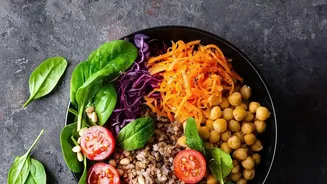
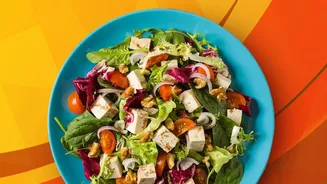
It’s crucial to distinguish between different levels of processing. Minimally processed foods, like pre-cut vegetables, pasteurised milk, or frozen fruits, are altered for convenience but are still fundamentally healthy. Processed foods, such as canned beans, freshly baked bread, or cheese, are made by adding ingredients like salt, sugar, or oil to minimally processed foods. These can be part of a healthy diet. The main concern lies with UPFs, which often bear little resemblance to their original ingredients and are designed for mass consumption rather than nutritional value.
Making Smarter Choices at the Store
The goal is not to live in fear or aim for perfection, but to be aware and make mindful choices. Start by aiming to fill your cart primarily with unprocessed or minimally processed foods, which have long been the foundation of traditional Indian diets. Try simple swaps: choose plain yoghurt and add fruit instead of buying flavoured, sugary versions. Cook more meals at home from scratch when possible, which gives you control over ingredients. Reading labels is your best tool. In India, while regulations are still evolving, becoming a conscious consumer who understands ingredient lists can empower you to reduce your reliance on UPFs and improve your overall health.