


The New Health-Conscious Snacker
The biggest driver of this change is a pronounced shift towards health and wellness. Indian consumers, particularly in urban centres, are no longer just looking for taste and convenience; they are demanding nutritional value. A 2026 report highlighted
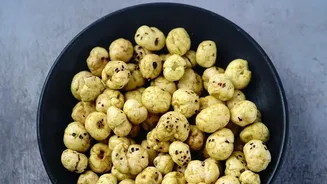
that an overwhelming 86% of Indians consider protein an important factor when choosing a snack. This growing consciousness is fuelled by rising awareness about lifestyle diseases and a desire for preventive nutrition. The trend is not about completely abandoning traditional fried namkeens and chips, but rather supplementing them with healthier choices for everyday consumption. Consumers are now actively reading labels, checking for trans fats, and preferring products with natural sweeteners like jaggery and dates over refined sugar. This has paved the way for once-niche items like makhana (foxnuts), millet-based products, and Greek yoghurt to enter the mainstream.
The Power of a Clear Label
For years, detailed nutritional information was tucked away on the back of packages. Now, front-of-pack labelling (FOPL) is set to become a game-changer. Following a Supreme Court directive, India is moving towards implementing clearer, more prominent nutritional information on the front of packaged foods. This aims to provide simplified, at-a-glance information about a product's contents, particularly salt, sugar, and fat. While the exact format is still under debate—with discussions revolving around warning labels versus a 'Health Star Rating' system—the intent is clear: to empower consumers to make informed choices quickly. Studies have shown that interpretive labels are effective in helping people identify unhealthy products. This increased transparency is already influencing buying decisions, with 62% of consumers identifying clear ingredient information as a top consideration when picking a snack brand.
Rise of the Challenger Brands
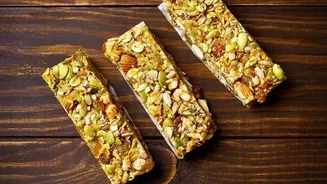
This evolving consumer demand has created a fertile ground for a new wave of snack brands. Direct-to-consumer (D2C) companies and agile startups are rapidly gaining market share by catering specifically to the health-conscious buyer. They are innovating with baked, not fried, snacks; using alternative flours like millet and ragi; and launching products like protein bars and fruit-based bites. These brands often build their identity around clean labels, natural ingredients, and transparency. The rise of quick commerce platforms like Blinkit and Zepto has further levelled the playing field. On these apps, smaller, innovative brands can appear right next to legacy giants, allowing them to be discovered and chosen based on appeal and reviews rather than just brand history or shelf placement.
How Legacy Giants are Adapting
The old guards of the Indian snack industry are not standing still. Major FMCG companies like Britannia and Parle are actively responding to the shifting landscape. They are reformulating popular products to reduce sugar and sodium, launching their own lines of healthier snacks—such as multigrain biscuits and baked chips—and acquiring smaller health-food brands to expand their portfolio. This dual approach allows them to cater to their loyal base that still enjoys indulgent snacks while also capturing the growing segment of health-focused consumers. While the affordable Rs. 5 to Rs. 30 snack packet remains the foundation of the market, especially in smaller towns, the premium and healthy segments are where much of the new growth and innovation are happening.