







The Science of the Slump
That sleepy, lethargic state you fall into after eating is a real phenomenon known as postprandial somnolence, or more casually, a "food coma." It happens for a few key reasons. After you eat, particularly a meal high in carbohydrates, your blood sugar
levels rise. In response, your body releases insulin to help your cells absorb that sugar for energy. This process can sometimes lead to a subsequent crash in blood sugar, causing fatigue. At the same time, your body diverts more blood flow to your digestive system to process the meal, which can mean slightly less blood flow to the brain, contributing to that foggy, unfocused feeling. This biological process often coincides with a natural dip in our body's circadian rhythm in the early afternoon, creating a perfect storm for sluggishness.
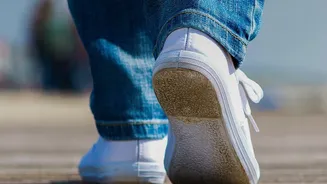
Your Secret Weapon: The Post-Meal Stroll
Instead of reaching for another cup of coffee or a sugary snack, the most effective tool for combating this slump is surprisingly simple: a short walk. Research has consistently shown that light physical activity immediately after a meal can have significant benefits. When you walk, your muscles get to work, and they need energy to do so. They pull glucose directly from your bloodstream, which helps to lower your blood sugar levels and prevent the dramatic spikes and crashes that cause fatigue. This process makes your body more efficient at managing blood sugar over time, which is what is meant by improving insulin sensitivity. One of the best parts is that it doesn't require a major time commitment. Studies suggest that even a walk as short as two to five minutes can make a difference.
More Than Just Blood Sugar
The benefits of a brief post-lunch walk extend far beyond just stabilizing your energy levels. Gentle movement is a well-known aid for digestion, helping to reduce feelings of heaviness or bloating after a meal. Taking a break from your desk and changing your scenery, even for a few minutes, also serves as a powerful mental reset. It can clear your head, reduce stress, and break up the monotony of the workday. Stepping away from your screen provides a much-needed break for your eyes, combating the strain that contributes to afternoon fatigue. This small investment in movement can pay dividends in the form of renewed focus and productivity for the rest of your day.
How to Make it a Habit
Incorporating a post-meal walk into a busy workday can seem challenging, but it's easier than you think. The key is to make it convenient and consistent. Aim for a 10 to 15-minute walk right after you finish your lunch. You don't need to change into gym clothes; a simple stroll in your work attire is perfectly effective. You can walk a lap around your office building, explore a nearby park, or even just pace in a quiet corridor or conference room. To make it stick, try scheduling it in your calendar as a non-negotiable appointment. You could also turn it into a social activity by inviting a coworker to join you, or use the time to take a work call on the move. The goal is to find what works for you and build it into your daily routine.