








The New Definition of a 'Good' Trip
A fundamental shift is underway in how Indians approach travel. The focus is moving away from simply visiting famous landmarks to engaging in what the industry calls 'experiential travel'. This is especially true for Gen Z and Millennial travellers, who
increasingly prioritise creating meaningful memories over collecting passport stamps. This 'practical' shift isn't just about saving money; it's about smarter, value-driven choices. Instead of one long annual holiday, many now prefer multiple shorter, more immersive getaways. The goal is to feel a genuine connection to a place, its people, and its culture, transforming a simple trip into a reflection of personal identity and values.
Your Itinerary, Curated by Your Taste Buds
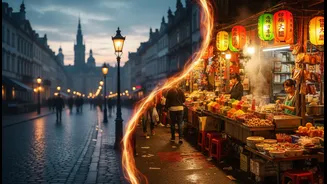
Food has officially moved from a travel afterthought to a primary motivation. For a growing number of Indian travellers, the question is no longer just 'Where should we go?' but 'What can we eat there?'. According to recent industry reports, nearly 40% of travellers now say a destination's cuisine is a major factor in their decision-making. This trend, known as gastronomic or culinary tourism, is about more than just dining out. Travellers are actively seeking hands-on experiences, booking everything from sushi-making workshops in Japan to farm-to-table meals in Europe and local cooking classes in Bali. Destinations like Japan, South Korea, and Vietnam are seeing a surge in interest for their unique food scenes, while street food trails and heritage dining experiences are reshaping domestic travel.
Living the Culture, Not Just Seeing It
Alongside the culinary boom is a deepening desire for cultural immersion. The modern Indian traveller wants to peek behind the curtain. This means choosing a homestay with a local family over a generic hotel, learning a traditional craft from a village artisan, or timing a trip to coincide with a local festival. Reports show a clear preference for hidden gems and offbeat destinations over places that have become overly popular on social media. It’s a move towards slower, more conscious travel, where the accommodation itself can be the main attraction. This pivot reflects a broader search for authenticity and a travel style that values participation over observation, allowing for a much richer and more personal journey.
The AI-Powered Travel Assistant
Making these highly personalised, practical trips a reality is the quiet power of artificial intelligence. India has one of the highest adoption rates for AI travel planning in the Asia-Pacific region, with reports indicating that around two-thirds of travellers are likely to use AI for planning their trips in 2026. Instead of spending hours juggling dozens of browser tabs, travellers can now use AI tools to generate custom itineraries based on their specific budget, interests, and vibe. These platforms can suggest flight routes, find unique stays, recommend activities, and manage logistics, essentially acting as a digital tour guide. This technological leap has made it easier than ever to plan the complex, multi-layered trips that define the new era of practical, experience-driven travel.