



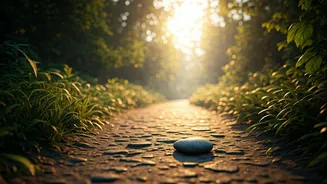



From The Trail To Tranquility
At its core, the ‘run to meditate’ practice is exactly what it sounds like, but with a specific sequence. It’s not about trying to find your zen while pounding the pavement. Instead, practitioners go for a run—anything from a light jog to a more strenuous
workout—and then, immediately upon finishing, transition into a period of meditation. This is often done outdoors, in the same spot where the run ends, whether that’s a park bench, a quiet trail, or a scenic viewpoint. The idea is to harness the unique physical and mental state that follows a run to deepen the meditative experience. Instead of cooling down with a podcast, you cool down with your own thoughts, using the lingering physical sensations as an anchor for mindfulness.
The Science Behind The Serenity
The trend’s appeal isn't just aesthetic; it’s rooted in biology. Running famously produces endorphins, the body's natural mood-boosters, leading to the euphoric feeling known as a ‘runner’s high.’ When you sit down to meditate in this state, your mind is already primed for positivity and calm. Proponents argue that it’s easier to bypass the initial mental chatter and restlessness that can make meditation feel like a chore. Furthermore, exercise helps reduce levels of cortisol, the body’s primary stress hormone. By combining the cortisol-busting effects of a run with the focused calm of meditation, you get a powerful one-two punch against stress and anxiety. Your body is tired but alert, your mind is clear, and the barrier to entry for a meaningful meditation session feels significantly lower.
Why Is It So Popular Now?
This trend’s explosion on social media isn't an accident. It perfectly captures the current wellness zeitgeist. After years of being encouraged to download mindfulness apps and meditate on our couches, there’s a growing desire for more active, integrated forms of self-care. ‘Run to meditate’ gets people outside, connects them with nature, and combines two powerful habits into one efficient routine. It’s also incredibly photogenic, making it ideal content for Instagram Reels and TikTok. A short clip of someone running through a beautiful landscape, followed by a shot of them sitting peacefully with their eyes closed, is a compelling visual narrative. It tells a story of discipline, peace, and mastering one’s inner world—all highly valued currencies in online wellness circles.
How To Try It Yourself
Curious to give it a go? The barrier to entry is low. Start with a manageable run, one that leaves you feeling energised, not completely exhausted. The goal isn’t to set a personal best. As you finish your run, find a comfortable and safe place to sit. Don’t worry about finding the ‘perfect’ spot. Then, simply close your eyes and bring your attention to your body. Notice the feeling of your heart beating, the air on your skin, the rhythm of your breath as it slows. You can use a guided meditation from an app on your phone or simply sit in silence for five to ten minutes. The key is to focus on the physical sensations of the post-run body, using them as an anchor to keep your mind in the present moment. Be patient with yourself; like any new habit, it takes practice.
Is It a Perfect Practice?
While the benefits are clear, it’s not a universal solution. For some, the abrupt shift from high-intensity movement to total stillness can feel jarring rather than peaceful. The pressure to perform ‘wellness’ for an online audience can also undermine the very goal of the practice, turning a moment of inner peace into an outward-facing performance. It’s important to remember that the goal is not to achieve a perfect, Instagram-worthy moment of enlightenment, but to simply connect with your own mind and body. If the transition feels too difficult, a gentle walk followed by meditation might be a better starting point. The principle remains the same: using movement to prepare the mind for stillness.