





Your Smartphone as a Skin Expert
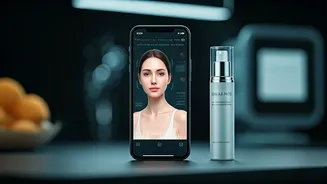
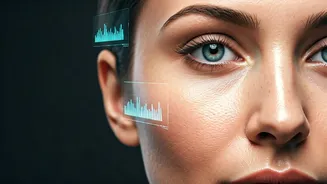
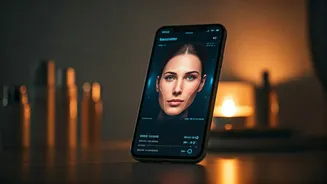
Imagine skipping the confusing beauty counter and getting a detailed skin report from the comfort of your home. That's the core promise of AI skin analysis apps. The process is usually simple: you take a selfie, and the app's powerful algorithm gets to
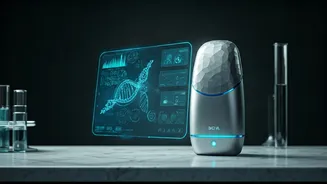
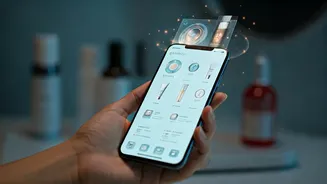
work. Using computer vision and machine learning models trained on vast databases of images, the technology scans your face for various markers. It identifies and often scores concerns like fine lines, wrinkles, dark spots, skin texture, visible pores, and redness. Instead of a vague self-assessment, you get objective-style data mapped to your own face, transforming your phone into a pocket-sized skin consultant. Several major brands and new startups offer these services, including tools from L'Oréal, Neutrogena, and Indian brands like Minimalist and the app CureSkin, which integrates dermatologist advice.
The Power of Personalised Routines
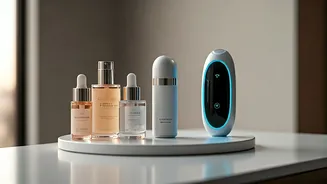
The biggest advantage of these AI tools is hyper-personalisation. For decades, beauty shopping has relied on broad categories like 'dry', 'oily', or 'combination' skin, which often fail to capture the nuances of an individual's complexion. An AI analysis can tell you that your T-zone is oily while your cheeks are dehydrated, two separate issues requiring different product ingredients. This data-driven approach moves beyond generic advice and empowers consumers. Armed with specific insights about their skin, shoppers can make more informed decisions, track the effectiveness of their products over time by comparing scans, and avoid spending money on unsuitable products recommended by a salesperson. This shift gives purchasing power back to the consumer, allowing them to build a routine tailored to their exact needs.
Reality Check: How Accurate Are They?
While impressive, the accuracy of these apps is a major point of debate. The quality of your photo—lighting, angle, and camera resolution—can significantly impact the results. Furthermore, there are concerns about algorithmic bias. Many AI models have been trained on datasets that underrepresent darker skin tones, which can lead to less accurate analyses and recommendations for India's diverse complexions. Studies show that while AI can outperform an amateur's self-assessment, its accuracy still falls short of an experienced dermatologist. Some apps from companies like Perfect Corp. report agreement rates with dermatologists around 69%, while others make bolder, less substantiated claims. Ultimately, these tools are not medical devices and can't diagnose conditions. Their analysis is limited to what's visible on the surface, without the clinical context a human expert provides.
What About Your Data Privacy?
When you upload your selfie for a skin analysis, you're sharing sensitive biometric data. This raises important privacy questions. What happens to your facial scan? How is it stored, and is it shared with third parties for advertising? Many apps are designed as a sales funnel, guiding users toward purchasing the brand's own products, which may create a conflict of interest. Regulatory frameworks are still catching up with this technology, and recent legal cases, like a lawsuit filed against MAC Cosmetics over its virtual try-on tool, highlight the growing scrutiny on how beauty tech handles consumer data. Before using any app, it's wise to read the privacy policy to understand what you're consenting to.
The Dermatologist's Verdict
So, should you replace your dermatologist with an app? The unanimous answer from medical professionals is no. Dermatologists view these apps as potentially useful educational tools that can increase skin health awareness, but they are not a substitute for a professional medical diagnosis. An app can't perform a physical examination, ask about your lifestyle, or understand your full medical history. There's a risk of either false reassurance, where the app misses a serious condition, or unnecessary anxiety from a false alarm. Experts recommend using these tools as a starting point to better understand your skin, but always consulting a board-certified dermatologist for any real concerns, especially regarding moles or potential signs of skin cancer.