





The Runner’s Battle With Humidity
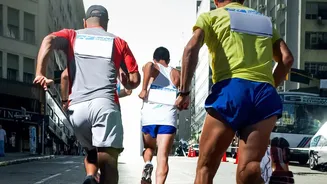
Running in high humidity is a unique challenge. When the air is saturated with water vapour, your sweat doesn't evaporate efficiently, which is the body's primary way of cooling down. This can lead to a higher core body temperature, increased heart rate,
and greater overall physical stress. For urban runners in cities like Mumbai, Chennai, and Kolkata, where humidity often soars, this means slower paces and longer recovery times. The result is often increased muscle soreness and fatigue, making it harder to stay consistent with training schedules.
What is a Contrast Shower?
A contrast shower, a form of contrast water therapy, involves alternating between hot and cold water during a single shower session. It’s a technique that has been used for centuries in various forms, from ancient Roman baths to Scandinavian spa traditions. The core idea is to subject the body to rapid temperature changes, triggering a specific physiological response. This isn't about enduring an ice bath, but rather using the plumbing you already have to create a therapeutic experience that aids recovery right in your own bathroom.
The Science of Shock and Soothe
The magic of contrast showers lies in a process called vascular pumping. The hot water causes vasodilation, where your blood vessels widen, increasing blood flow to your muscles and skin. This helps deliver oxygen and nutrients. Then, the blast of cold water causes vasoconstriction, where the vessels narrow, reducing blood flow. This rapid alternating between opening and closing the blood vessels creates a “pump” effect. This process is believed to help flush out metabolic waste products and reduce inflammation and swelling, which are key contributors to delayed onset muscle soreness (DOMS). Several studies have shown that contrast water therapy is more effective than passive rest for reducing muscle soreness after exercise.
Your Step-by-Step Protocol
Ready to try it? The method is simple and can be adjusted to your tolerance. Here’s a common and effective protocol to follow after your run: 1. Start with 3 to 5 minutes of a comfortably hot shower. Let the warm water relax your muscles. 2. Switch the water to as cold as you can comfortably tolerate for about 1 minute. Focus on your legs and any other sore areas. 3. Alternate back to hot water for another 3 minutes. 4. Follow with another 1-minute blast of cold water. 5. Repeat this cycle 3 to 4 times. Always try to end your shower on a cold cycle to maximize the anti-inflammatory and circulation-boosting benefits.
Is It a Cure-All for Sore Muscles?
While many athletes swear by it, it's important to have realistic expectations. The scientific evidence suggests contrast therapy is superior to doing nothing, and it can significantly reduce the perception of muscle pain and fatigue. However, its effects compared to other active recovery methods like light stretching or using a foam roller are less clear. Think of it as another powerful tool in your recovery toolkit. It's accessible, takes little extra time, and can provide both physical and mental refreshment after a tough, humid run. For many, the invigorating feeling and perceived reduction in soreness are well worth the initial shock of the cold water.
Important Cautions to Consider
Contrast showers are generally safe, but they are not for everyone. The rapid changes in temperature place stress on the cardiovascular system. Individuals with heart conditions, high or low blood pressure, diabetes, or certain vascular diseases should avoid this practice or consult a doctor first. It's also not recommended for pregnant women or if you have open wounds or severe skin conditions. If you feel dizzy or lightheaded at any point, stop the process. Always listen to your body and start with less extreme temperature differences if you are new to the practice.