





Understanding the Twin Terrors
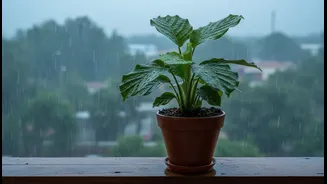
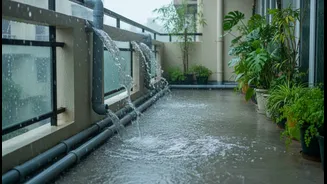
Waterlogging and fungal gnats are a classic monsoon duo, and they are directly related. When rainwater has nowhere to go, it pools on your balcony floor and in plant saucers. This stagnant water is the perfect breeding ground for fungal gnat larvae. These
tiny, mosquito-like insects thrive in overly moist soil and decaying organic matter. While the adult gnats are mostly a nuisance, their larvae can feed on the delicate roots of your plants, causing them to wilt, yellow, and suffer from stunted growth. Tackling the water issue is, therefore, the most effective way to eliminate the gnat problem at its source. A dry balcony is an inhospitable environment for these pests.
Start with a Solid Foundation
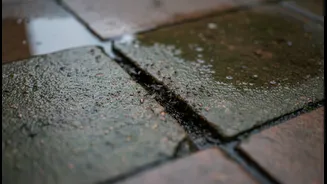
Before you look at your plants, look at your balcony floor. The most basic step is to ensure your main drainage outlets are clear. Leaves, soil, and other debris can easily clog them, causing water to back up. A quick sweep before and during the monsoon is essential. Check if your balcony floor has a gentle slope towards the drain; most do, but it’s often not enough. Using anti-skid tiles can improve safety, but ensuring water flows away is key. For persistent pooling, consider simple linear drain covers that can help guide water more effectively. Regularly cleaning drains prevents blockages that lead to standing water, which is an open invitation for pests.
Rethink Your Potted Plant Setup
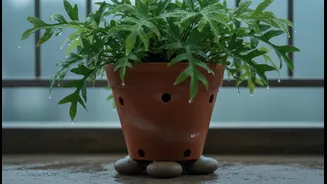
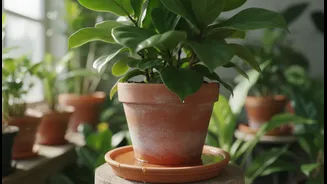
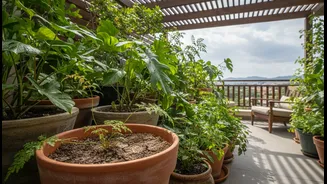
Your plant pots are the biggest culprits when it comes to balcony waterlogging. First, ensure every pot has drainage holes. If a favourite pot doesn't have one, it's not suitable for outdoor monsoon use unless you drill them yourself. Next, elevate your pots. Placing them directly on the floor traps water underneath, keeping the soil soggy and staining your tiles. The simplest solution is using 'pot feet'. You don't need to buy fancy ones; three or four sturdy plastic bottle caps, small stones, or brick pieces under each pot work perfectly to allow water to escape and air to circulate. Also, for the duration of the monsoon, remove the saucers or trays from underneath your pots. They fill with water, creating a breeding ground for mosquitoes and contributing to root rot.
Low-Cost Drainage Boosters
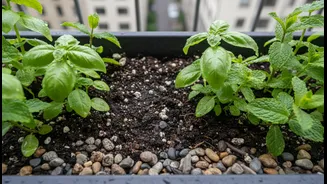
Improving the drainage within your pots is just as important. Heavy, compacted garden soil holds too much water during the rains. Lighten your potting mix by adding materials like sand, perlite, or coco peat (cocopeat). A good mix might be 40% garden soil, 40% compost, and 20% sand or cocopeat. This allows water to pass through more quickly, preventing roots from sitting in water. Another effective, low-cost trick is to create a pebble tray system. If you have a group of smaller pots, place them together on a large tray filled with a layer of gravel or pebbles. Excess water will drain into the pebbles and slowly evaporate, increasing local humidity without waterlogging the roots.
Targeting Lingering Fungal Gnats
If you've addressed the water issues but still see gnats, it's time for direct action. The most crucial step is to let the top one to two inches of soil in your pots dry out between waterings. The monsoon may water for you, but for covered plants, you must be careful not to overdo it. You can catch adult flies using yellow sticky traps, which are inexpensive and highly effective. For a home remedy against the larvae, you can drench the soil with a solution of one part 3% hydrogen peroxide to four parts water. The fizzing means it's working, killing larvae on contact and adding oxygen to the soil. A spray made from neem oil and water is another excellent, natural way to deter gnats and other pests.