




The End of the Greige Era
Remember the 2010s? It was a decade dominated by grey walls, minimalist furniture, and a persistent pressure to make our homes look untouched by human hands. That aesthetic, born from pristine blogs and early Instagram grids, set a standard that was as aspirational
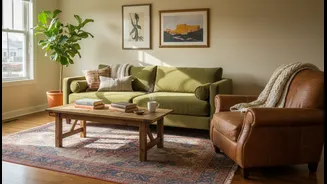
as it was unattainable. Now, the pendulum is swinging in the opposite direction. Design is seeing a full-blown, unapologetic rejection of neutral, uniform spaces in favour of homes that feel collected and curated over time. This new movement, sometimes called 'cluttercore' or simply the 'lived-in' look, is the antithesis of minimalism. It’s about vibrant, personality-filled spaces where objects are displayed with love and intention, even in abundance.
A Sanctuary Built from Stuff
So, why the sudden shift? The trend gained significant momentum during the pandemic, when people spending more time at home began seeking comfort and re-evaluating their surroundings. Our homes became our entire worlds, and the need for them to be personal sanctuaries grew. This led to a rebellion against spaces that felt cold or 'museum-like'. Psychologically, being surrounded by meaningful items can create a sense of joy and comfort, literally cocooning you in things that make you smile. It’s a move away from performative perfection and toward authentic living. People are craving homes that reflect their own stories, not an algorithm’s idea of good taste.
The Art of Organised Chaos
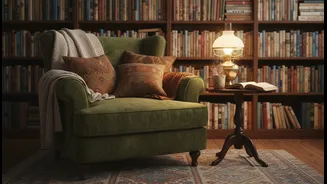
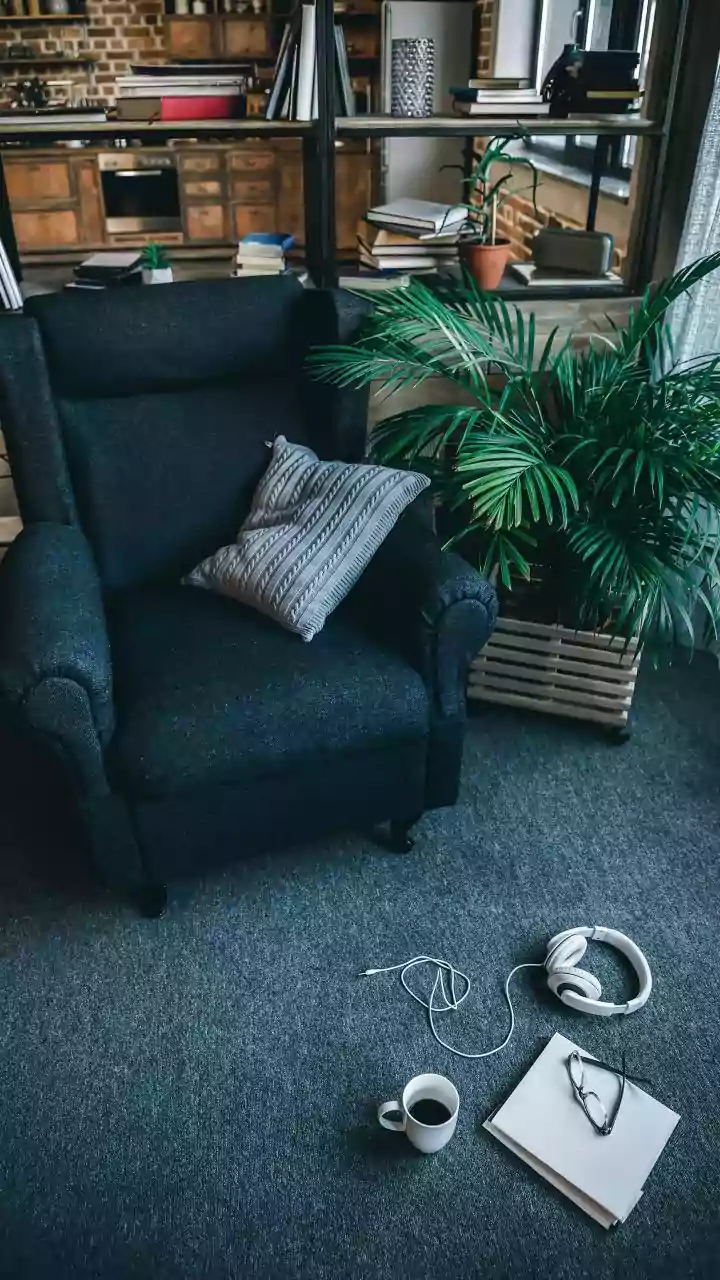
It’s crucial to understand that 'imperfect' and 'cluttercore' don’t mean messy or dirty. This isn't about leaving unwashed dishes under the bed or letting mail pile up on the counter. Instead, it’s about organised chaos—the thoughtful curation and display of things you love. Think of it as your own personal museum, where family photos, inherited trinkets, stacks of beloved books, and mismatched charity shop finds all have a place. The key is intentionality. Every object tells a story or holds a memory, creating a space that feels rich with personal history. It’s about celebrating what you already own rather than constantly chasing newness.
Your Home, Your Story
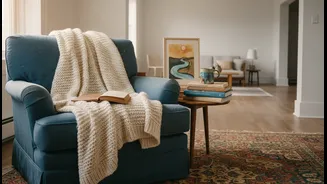
One of the most refreshing aspects of this trend is its accessibility. You don’t need a big budget or a designer to embrace a cosy, imperfect aesthetic. In fact, it’s about moving away from mass-produced, 'fast furniture' and focusing on what you have. It could be as simple as finally hanging that gallery wall of mismatched frames, layering textures with throws and cushions, or displaying a collection of vintage glassware instead of hiding it in a cupboard. The trend champions using items that have been passed down, found, or made by hand, which adds a layer of sustainability. The goal is to create a home that looks and feels like you, full of character and charm that can’t be bought in a store. It is a fusion of emotional design and a do-it-yourself culture, creating a home that feels like an authentic refuge.