





In the hustle of city life, our diets often lack essential nutrients. Now, a quiet revolution is taking place in urban Indian kitchens as diners rediscover millets, ancient grains packed with fibre to support modern digestive wellness.
The Return of an Ancient Staple
For generations,
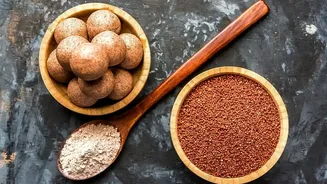
millets like jowar, bajra, and ragi were cornerstones of the Indian diet, valued for their resilience and nutrition. However, with the Green Revolution's focus on wheat and rice, these grains were gradually sidelined, often unfairly labelled as 'poor man's food'. Today, that perception is changing dramatically. Health-conscious urban consumers are driving a millet renaissance, seeking wholesome, local, and sustainable food choices. This renewed interest is not just a passing trend; it's a rediscovery of nutritional wisdom that was part of our heritage all along.
Fibre: The Digestive System's Best Friend
Modern urban diets, often heavy on processed and refined foods, are notoriously low in dietary fibre. This is where millets truly shine. They are packed with fibre, containing significantly more than polished white rice. For example, pearl millet (bajra) and finger millet (ragi) contain around 11 grams of fibre per 100 grams, compared to just under 3 grams in milled rice. This high fibre content, which includes both soluble and insoluble types, is crucial for digestive health. It adds bulk to stool, which helps prevent constipation and ensures regular bowel movements.
Nourishing Your Gut from Within
The benefits of millets extend beyond simple regularity. The fibre in these grains acts as a prebiotic, which means it serves as food for the beneficial bacteria living in your gut. A healthy gut microbiome is essential for everything from effective nutrient absorption to a strong immune system. When these good bacteria ferment the prebiotic fibre from millets, they produce short-chain fatty acids that help maintain the integrity of the gut lining and reduce inflammation. Furthermore, millets are naturally gluten-free, making them an excellent and gentle option for individuals with gluten sensitivity or celiac disease.
Meet the Mighty Millet Family
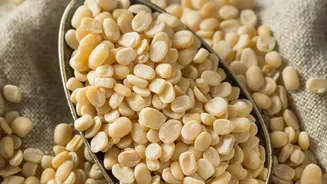
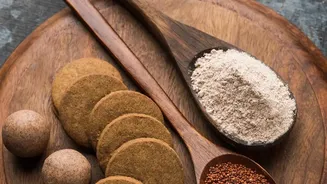
Each millet variety offers a unique nutritional profile. Exploring them can add diversity to your diet. Finger Millet (Ragi): Famous for its exceptional calcium content, ragi is fantastic for bone health and is also high in fibre. Pearl Millet (Bajra): A powerhouse of protein, iron, and fibre, making it one of the most nutrient-dense millets. Foxtail Millet (Kangani): Often highlighted for its high fibre content and is a good source of minerals like iron. Sorghum (Jowar): Widely consumed and known for its fibre content and beneficial antioxidants. * Barnyard Millet: This variety is gentle on the stomach, cooks quickly, and is also rich in fibre.
Easy Ways to Bring Millets to Your Table
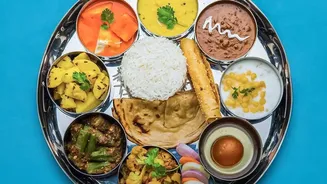
Incorporating millets into your daily meals doesn't require a complete dietary overhaul. Start with simple swaps. You can begin by mixing millet flour with your regular atta to make rotis or chillas. Try replacing rice with cooked foxtail or little millet in dishes like khichdi, pulao, or lemon rice; their high fibre content will keep you feeling full for longer. For breakfast, a warm bowl of ragi porridge or a millet upma is a nutritious way to start the day. The key is to start with familiar dishes and gradually introduce these versatile grains, making them a normal and enjoyable part of your routine.