





Understanding the Shravan Diet
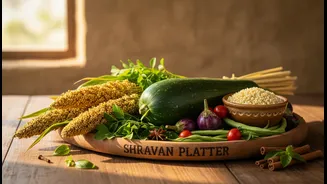
The dietary practices during Shravan are rooted in Ayurvedic principles, emphasizing 'sattvic' foods—those that are pure, natural, and easily digestible. The goal is to purify the body and mind, avoiding 'rajasic' (stimulating) and 'tamasic' (dulling)
foods. This typically means abstaining from non-vegetarian items, eggs, alcohol, and in many households, onions and garlic. Instead, the focus shifts to fresh fruits, dairy products, certain grains, and a variety of vegetables. According to Ayurveda, the monsoon season, which coincides with Shravan, can weaken our digestive fire ('agni'). A lighter, sattvic diet is gentler on the stomach during these humid weeks, making this traditional practice scientifically sound.
Monsoon's Bounty: Vegetables for Shravan
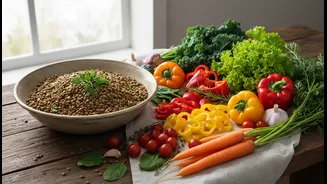
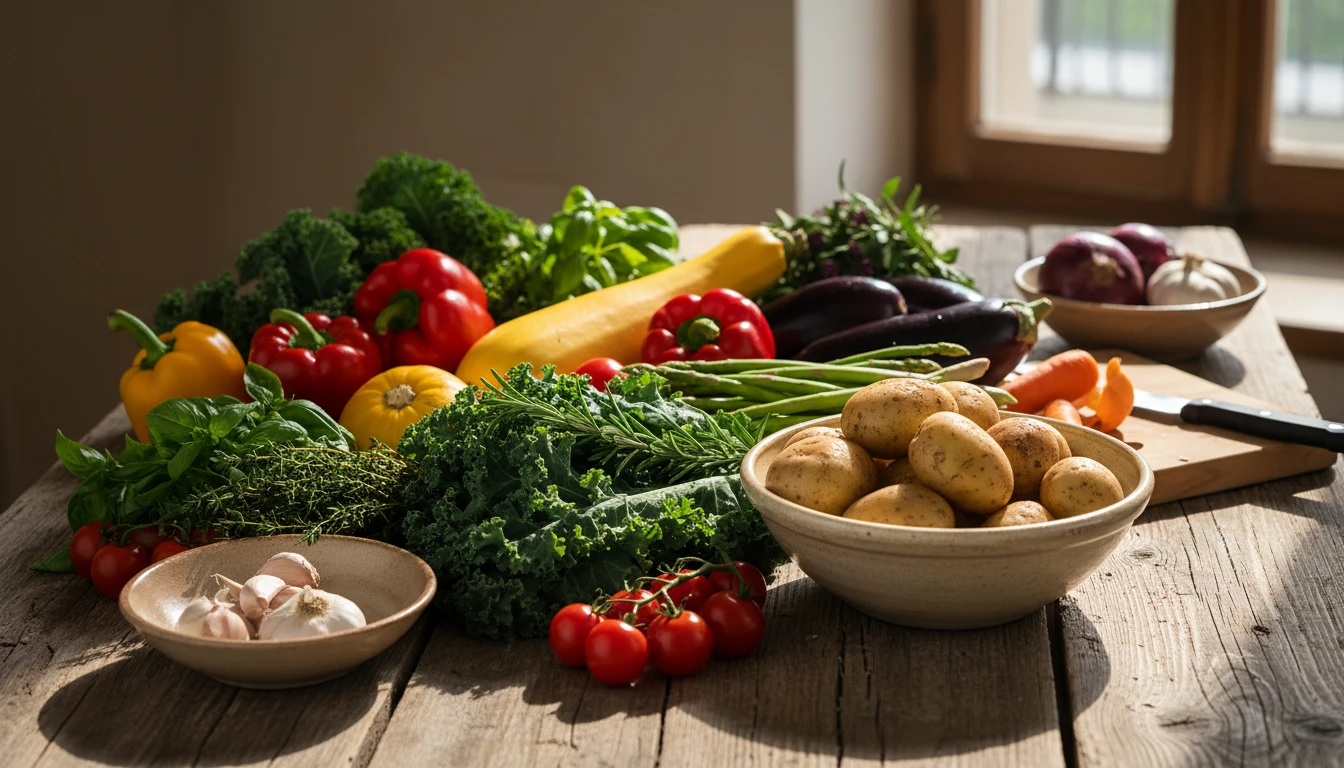
The rainy season offers a unique harvest of vegetables that are perfect for a Shravan diet. These vegetables are often high in water content, rich in fibre, and packed with essential nutrients that boost immunity during a season known for infections. Key seasonal vegetables include a variety of gourds like bottle gourd (lauki), ridge gourd (turai), and pointed gourd (parwal). Pumpkin (kaddu), potatoes, sweet potatoes, and colocasia (arbi) are also widely used. While some traditions advise avoiding leafy greens due to the increased risk of mud and germs during the monsoon, many households include them after thorough washing. These vegetables provide vitamins and minerals, help in hydration, and form the foundation of many delicious fasting dishes.
Building a Balanced Fasting Plate
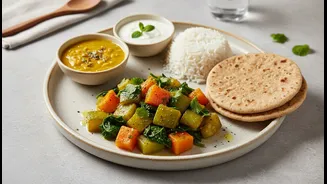
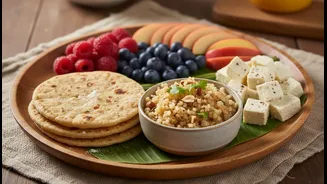
A balanced meal during Shravan is not just possible, but also delicious. For carbohydrates and sustained energy, move beyond regular grains. Vrat-friendly flours like buckwheat (kuttu), water chestnut (singhara), and amaranth (rajgira) are excellent choices. Barnyard millet (samak rice) can be used as a substitute for rice. For protein, dairy products like paneer, curd, and buttermilk are essential. They are good sources of protein and probiotics that aid digestion. Nuts and peanuts, used in moderation, provide healthy fats and an additional protein boost. Combining a gourd-based curry with a kuttu roti and a side of curd creates a perfectly balanced and satisfying meal that keeps you full and energised.
Sample Meal Ideas for a Fasting Day
Planning your meals can help you stay nourished and avoid reaching for unhealthy options. Start your day with a bowl of mixed fruits or a handful of soaked nuts. For lunch, a classic Sabudana Khichdi, tossed with peanuts and mild spices, is a filling option. Alternatively, a light curry made with bottle gourd or pumpkin, served with Rajgira pooris, is both nutritious and traditional. For an evening snack, roasted makhana (fox nuts) or a fruit salad can curb hunger pangs. Dinner should be the lightest meal of the day. A simple vegetable soup or a glass of milk with fruits is often sufficient. Remember to stay hydrated throughout the day with water, coconut water, or homemade lemon water with rock salt (sendha namak).
Smart Cooking for a Healthy Shravan
The method of cooking is as important as the ingredients themselves. During Shravan, it's best to avoid deep-frying and heavy, oily preparations. Instead, opt for steaming, boiling, or light sautéing using ghee. Rock salt, or sendha namak, is used instead of regular table salt. Spices are kept to a minimum, with an emphasis on milder ones like cumin, green chillies, and black pepper to flavour the food without making it too heavy or spicy. You can prepare a simple yet flavourful pumpkin sabzi by cooking it with coconut, or a hydrating cucumber and peanut salad. Even classics like potato curry can be made sattvic by tempering boiled potatoes with cumin seeds and green chillies.