







Embrace Green Infrastructure
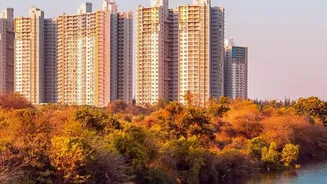
Integrating nature into our urban fabric is one of the most powerful tools for better health. Parks, urban forests, green roofs, and even small roadside gardens act as the city's lungs, filtering pollutants and improving air quality. Studies have shown
that increasing green cover can significantly lower city temperatures, combating the urban heat island effect that makes summers increasingly harsh. Access to green spaces has also been directly linked to reduced stress, improved mental well-being, and encouraging physical activity. Cities like Bengaluru and Pune have already begun investing in public parks and green corridors, demonstrating that even modest increases in vegetation can have an outsized impact on public health.
Prioritise People, Not Just Cars
For decades, urban planning has revolved around vehicle mobility. A healthier city flips that script, prioritising 'active mobility' like walking and cycling. This means building wide, continuous footpaths, dedicated and safe cycle lanes, and well-lit, pedestrian-friendly streets. When people feel safe to walk or cycle, they become more physically active, reducing the risk of chronic diseases. Fewer cars on the road also means less air and noise pollution. The goal is to create transport networks that serve people of all ages and abilities, ensuring that getting around the city is a healthy and pleasant experience, not a stressful one.
Adopt Smart Waste Management
Heaps of unmanaged waste are not just an eyesore; they are a serious public health hazard, polluting air, water, and soil, and spreading disease. Healthier cities are adopting smart, technology-driven waste management systems. This includes everything from IoT-enabled smart bins that signal when they are full, to GPS-tracked collection vehicles ensuring timely pickups. The most critical step, however, is segregation at the source, separating wet, dry, and hazardous waste. Cities like Indore and Surat have become models by implementing comprehensive systems that focus on segregation, processing, and resource recovery, drastically reducing the amount of waste that ends up in overflowing landfills and proving that 'Garbage Free Cities' are an achievable goal.
Design '15-Minute' Neighbourhoods
The '15-minute city' is a concept where residents can access most of their daily needs—shops, schools, healthcare, parks, and workplaces—within a 15-minute walk or bike ride. This human-centric approach counters urban sprawl and long, exhausting commutes that negatively impact health and productivity. Many older parts of Indian cities naturally follow this mixed-use pattern, but modern planning can intentionally create these complete, self-sufficient neighbourhoods. By localising essential services, cities become more accessible for everyone, including the elderly and children, while fostering stronger community bonds and promoting a less sedentary lifestyle.
Invest in Clean Air and Water
Underpinning all other efforts is the fundamental need for clean air and water. This requires a multi-pronged strategy, from enforcing stricter emissions standards for industries and vehicles to reviving urban water bodies like lakes and rivers. Urban planning must be directly linked to environmental health, ensuring that industrial zones are properly located and that development does not come at the cost of natural resources. It also involves protecting and restoring natural ecosystems that act as buffers and filters. A city cannot be truly healthy if the very air its citizens breathe and the water they use are contaminated. This is a non-negotiable foundation for urban well-being.