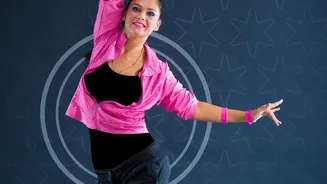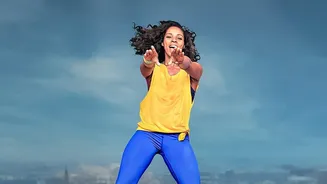




What is a Freestyle Dance Workout?
Unlike structured classes such as Zumba or Bolly-aerobics, freestyle dance has no choreography to learn and no steps to perfect. It's simply about moving your body to music in a way that feels good and intuitive to you. The focus isn't on getting the
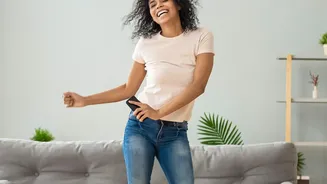
moves 'right', but on connecting with the music and enjoying the sensation of movement. This makes it incredibly accessible, especially for those who feel self-conscious or believe they 'can't dance'. In your living room, with the curtains drawn and your favourite song on, there are no wrong moves. The goal is to elevate your heart rate, break a sweat, and have fun doing it.
The Cardio You Won't Dread
At its core, dancing is a powerful cardiovascular exercise. Continuous movement elevates your heart rate, which helps strengthen your heart, improve circulation, and build stamina over time. Studies have shown that dancing can burn a significant number of calories, sometimes more than running or cycling at a moderate pace, because it involves movement in all directions—accelerating, decelerating, and engaging smaller stabiliser muscles that other exercises often miss. Beyond the physical, the benefits for your mind are just as impressive. Moving to music is a proven mood-booster, releasing endorphins that reduce stress and anxiety. It pulls you into the present moment, offering a mental break from daily worries.
How to Start Your First Session
Getting started is simpler than you think. First, find a private space where you feel comfortable moving freely without fear of judgment or bumping into furniture. Next, and most importantly, is the music. Your playlist is the engine of your workout. Put on a song you absolutely love—one that makes it impossible to stand still. Before you jump in, do a light warm-up to prepare your muscles, such as gentle stretching or jogging in place for a few minutes. Then, just start moving. Don't overthink it. It might be as simple as marching in place, tapping your feet, or swinging your arms. The key is to let your body respond naturally to the rhythm. Aim for a session of 15-20 minutes for your first time and build from there.
Build the Ultimate Workout Playlist
A great playlist is your secret weapon for a successful freestyle session. Think of it as a journey with a beginning, middle, and end. Start with a song that has a moderate tempo to serve as your warm-up, gradually waking up your body. The middle of your playlist should feature your 'power songs'—high-energy tracks that make you want to give it your all. Vary the genres and tempos to keep things interesting and prevent boredom. A mix of familiar favourites and new discoveries can provide both comfort and excitement. Finally, end with one or two slower, beautiful songs for a cool-down, allowing your heart rate to return to normal while you stretch. Structuring your playlist this way not only supports the physical arc of a workout but also keeps you motivated from the first beat to the last.
Simple Moves to Overcome Awkwardness
Feeling a little awkward at first is completely normal. The key is to start with foundational movements that feel natural. Try a simple two-step, shifting your weight from side to side to the beat. You can also incorporate basic arm movements, like reaching up and down or making circles. Body rolls, shoulder bounces, and hip circles are other easy ways to get into the groove. Remember, these aren't complex dance moves; they are just ways to get your body comfortable with moving to a rhythm. The goal isn't to look like a professional dancer, but to feel the music. Once you're comfortable with the basics, you can experiment with combining them or adding your own flair.
Making It a Habit You Love
The reason so many fitness routines fail is that they feel like punishment. Freestyle dance succeeds because it's rooted in joy. To make it a consistent habit, schedule your dance sessions just as you would any other workout. Start small with manageable sessions a few times a week. Let go of perfectionism. Some days you’ll feel energetic and creative; other days you might just want to sway gently. Both are perfectly fine. Focus on how the movement makes you feel—more energised, less stressed, more alive—rather than on performance. When you reframe exercise as a form of self-expression and fun, it transforms from something you have to do into something you get to do.