




Become a Balcony Light Detective
Before buying a single plant, the most crucial step is to understand the sunlight your balcony receives. Unlike an open garden, balconies are affected by the building's direction, overhangs, and nearby structures. Spend a day observing: when does the sun first
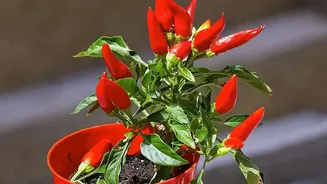
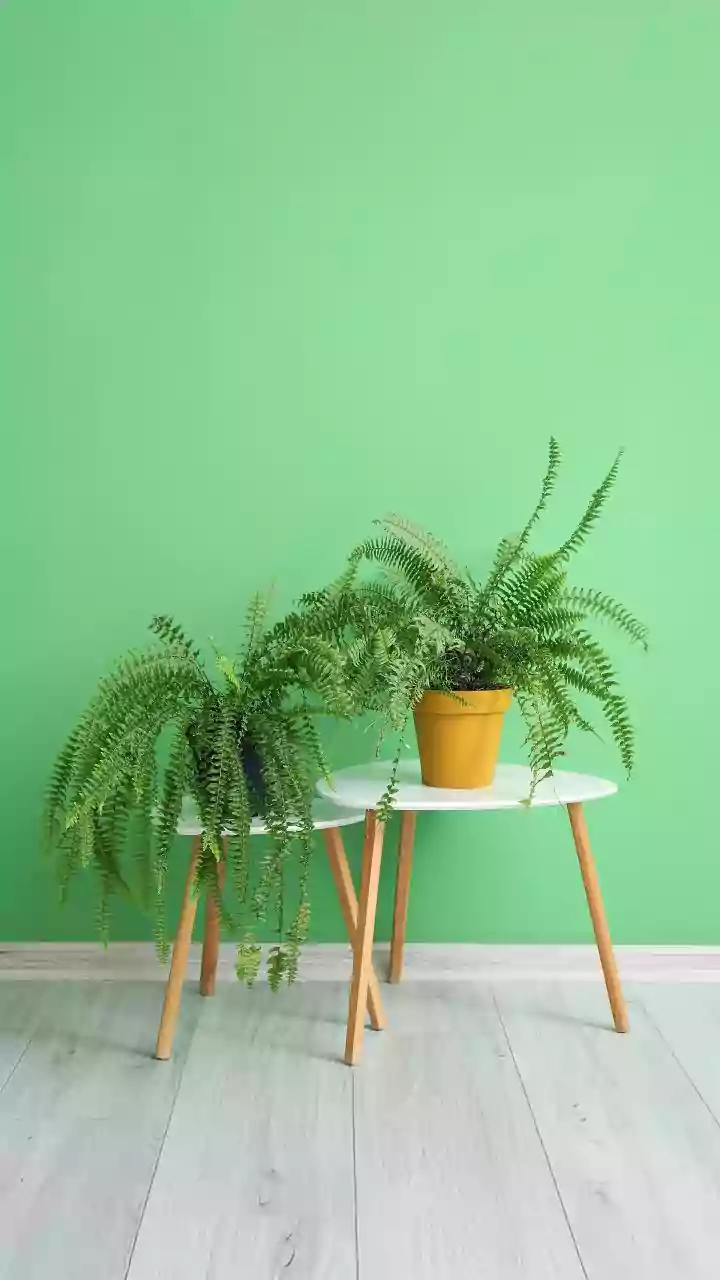
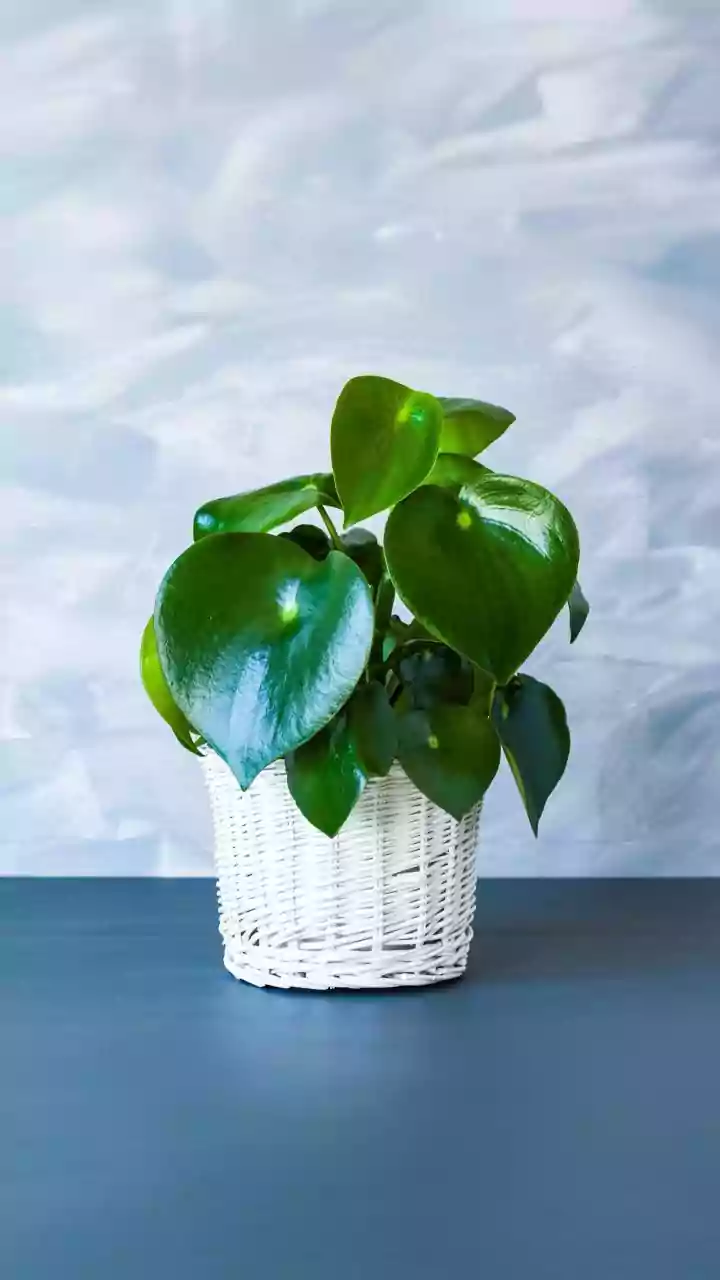
hit your space, and when does it leave? Is it intense, direct sunlight, or is it filtered and indirect? 'Full sun' typically means six or more hours of direct light, perfect for sun-worshippers like tomatoes, peppers, lavender, and succulents. An east-facing balcony might get gentler morning sun, while a west-facing one gets intense afternoon heat. A north-facing or shaded balcony might only get a few hours of indirect light, making it suitable for plants like ferns, pothos, and many leafy greens. Matching the plant to the light is the first rule of balcony gardening.
The Art of Watering in Pots
Plants in containers dry out much faster than those in the ground. The limited soil volume, wind exposure, and heat absorbed by pots all play a role. However, the most common mistake is overwatering, which leads to root rot. The solution is simple: don't water on a fixed schedule. Instead, check the soil first. Stick your finger about an inch or two into the soil; if it feels dry, it's time to water. When you do water, do it thoroughly. Pour water slowly at the base of the plant until you see it run out of the drainage holes at the bottom. This ensures the entire root system gets hydrated. The best time to water is early in the morning, which allows the plant to absorb moisture before the heat of the day causes evaporation.
Choose Your Plants Wisely
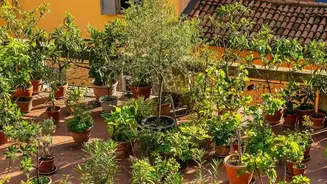
Once you know your light conditions, you can choose plants that are set up for success. For sunny, hot balconies, consider hardy options like geraniums, succulents, bougainvillea, and herbs such as rosemary and thyme. These can handle the heat and require less frequent watering. For balconies with partial or morning sun, try petunias, begonias, or leafy greens like spinach and lettuce. In shadier spots, you can find success with peace lilies, snake plants, ferns, and different varieties of pothos. Starting with low-maintenance plants that suit your specific environment builds confidence and prevents the disappointment of a struggling garden.
Pots and Soil: The Unsung Heroes
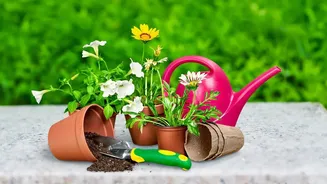
The right container and soil are foundational to a healthy balcony garden. First and foremost, ensure every pot has drainage holes. Without them, water will pool at the bottom, drowning the roots. When it comes to size, bigger is often better. Larger pots hold more soil, which means they retain moisture longer and give roots more room to grow, reducing the need for daily watering. Avoid using soil directly from a garden bed; it's too dense and compacts easily in pots. Instead, use a quality potting mix. These mixes are specifically designed to be lightweight, retain moisture, and allow for proper aeration around the roots.
A Simple Routine for Success
Healthy plants thrive on consistency. Establish a simple care routine. Check your plants every couple of days for watering needs. Once a few weeks have passed since potting, the nutrients in the soil will start to deplete. For flowering and fruiting plants, a regular feeding with a liquid fertiliser every two to four weeks during the growing season can make a huge difference. While you're watering, take a moment to inspect the leaves for any signs of pests. A little attention goes a long way in preventing small problems from becoming big ones. Don't overcrowd your plants; good air circulation helps prevent disease. By creating a simple, repeatable routine, you make plant care a peaceful habit rather than a chore.