




Claim Your Corner
The first step is to designate a specific spot, no matter how small. This is usually the wall space right next to your main door. By creating a visual and functional boundary, you train yourself and your family to contain the wetness to one manageable
area. This prevents clutter from spreading deeper into your home. You are not building a separate room, but rather dedicating about two to three square feet of wall and floor space to serve as your frontline defence against the elements. This mental and physical demarcation is key to maintaining order in a small home. Even a narrow strip of a hallway can be transformed with a few smart choices. The goal is to stop the mess right at the door.
Protect Your Floors
Water is the enemy of clean floors and can cause damage over time. The foundation of any good wet-gear zone is a waterproof surface. Invest in a durable, non-slip rubber or coir mat that can handle moisture and scrape mud off shoes. For an even better solution, look for a boot tray—a shallow tray with a raised lip that contains water from dripping umbrellas and pooling from soaked footwear. This simple accessory prevents water from seeping onto your tiles or wooden flooring, making cleanup significantly easier. You can simply pour the collected water out and wipe the tray clean. These trays are often slim and can slide neatly under a narrow bench or console table.
Think Vertically, Not Horizontally
When floor space is a luxury, the walls are your best asset. Vertical storage is the cornerstone of small-space organization. Install a series of sturdy wall hooks for raincoats, bags, and even foldable umbrellas. A simple wooden board with decorative hooks can look stylish and intentional. Consider a wall-mounted pegboard for ultimate flexibility, allowing you to move hooks and small shelves around as needed. Floating shelves installed above the hook line can hold items like helmets, small bags, or decorative baskets for keys and mail, freeing up precious surface area below.
Choose Furniture That Works Harder
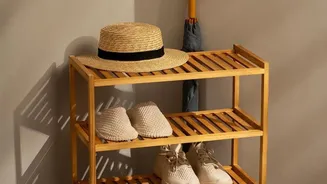
Avoid bulky, single-purpose furniture. Instead, opt for multitasking pieces. A slim bench is a fantastic addition, providing a place to sit while you remove wet shoes. Look for a model with a slatted top for ventilation or with built-in cubbies or a shelf underneath for shoe storage. A narrow console table with drawers can hide away smaller items, while the surface can hold a basket for keys. Even a tall, slender umbrella stand is a good investment, but ensure it has a solid, waterproof base to collect drips. Some modern designs even come with separate sections for small, foldable umbrellas.
Prioritise Air Circulation
Damp items need to dry properly to avoid musty smells and mildew. While your zone is for containing wetness, it shouldn't trap it. If possible, ensure the area has some airflow. A slatted shoe bench helps air circulate around damp footwear. When hanging raincoats, leave a little space between them rather than cramming them together. Using materials like polyester or nylon for your rain gear can also help, as they dry faster than absorbent fabrics like cotton. For enclosed storage bins, models with ventilation holes are preferable to airtight containers that trap moisture. A small, rechargeable dehumidifier can also be a powerful ally in a very humid climate.
The Finishing Touches
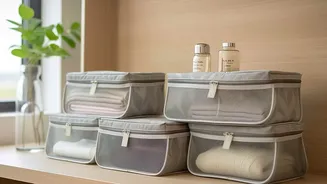
A few small accessories can dramatically improve your wet-gear zone's functionality. Place a small, absorbent microfibre towel on a hook for quickly wiping down dripping items or wet hands. Use clear bins or labeled baskets to keep smaller items like gloves, extra socks, or shoe-cleaning supplies organised and easy to find. An over-the-door shoe rack can be repurposed to hold not just shoes, but also small umbrellas, cleaning supplies, and other miscellaneous items. The goal is to make the space so efficient that keeping it tidy becomes an easy, automatic habit.