

The Myth's Origin: A NASA Study
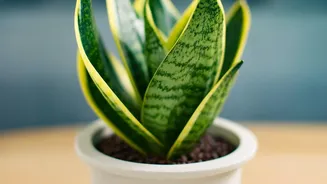
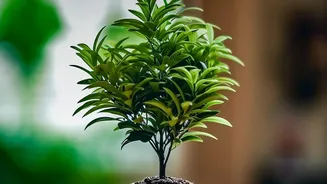
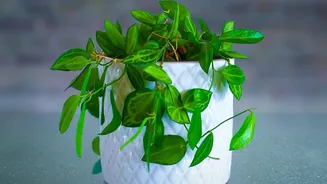
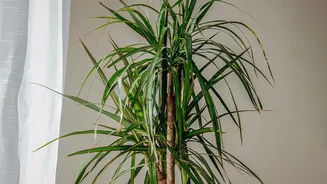
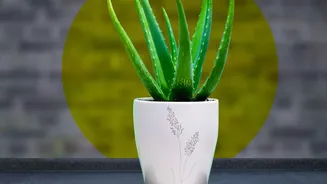
The belief that houseplants are nature's air filters largely stems from a 1989 NASA study. Researchers were looking for ways to clean the air in sealed environments like space stations. They placed various common houseplants in small, sealed chambers
and injected volatile organic compounds (VOCs) like benzene and formaldehyde. The results were promising: within 24 hours, some plants had removed a significant percentage of these pollutants from the chamber. This study gave birth to the popular idea that a few potted plants could work wonders on the air quality in our homes and offices.
The Reality Check: From Lab to Living Room
The problem is that our homes are not small, sealed space-station chambers. Subsequent analysis by researchers has highlighted that the conditions of the NASA study are vastly different from a typical indoor environment. Your home has a much larger volume of air and constant air exchange from windows, doors, and ventilation systems. A 2019 review of decades of research concluded that the rate at which plants remove VOCs is too slow to compete with the normal air exchange already happening in a building. In essence, the natural ventilation of your home does far more to clear out pollutants than a few plants can.
Putting It in Perspective: How Many Plants?
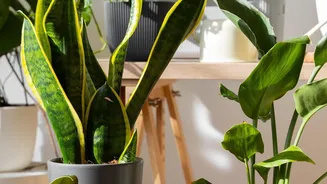
So, how many plants would it take to actually make a difference? According to scientific extrapolations, the number is staggeringly high. To replicate the purifying effects seen in lab studies, you would need somewhere between 10 and 1,000 plants per square meter of floor space. For an average 1,500-square-foot home, that could mean cramming in over 680 plants to achieve a noticeable effect. For most people, turning their living room into a dense, impractical jungle isn't a viable option for cleaner air.
The Real, Proven Benefits of Houseplants
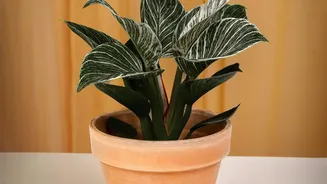
This doesn't mean you should abandon your leafy friends. While their air-purifying abilities may be overstated, their psychological benefits are well-documented and significant. Studies have repeatedly shown that interacting with indoor plants can reduce both physiological and psychological stress. The simple act of tending to a plant, or even just being in a room with greenery, can lower cortisol levels, reduce blood pressure, and promote feelings of calm and well-being. This connection to nature, known as biophilia, is a powerful tool for improving mood and reducing anxiety, especially for those who spend a lot of time indoors.
What Actually Works for Cleaner Air
If you're serious about improving your indoor air quality, focus on methods proven to be effective. The most impactful strategy is source control—reducing the number of pollutants you bring into your home in the first place. Beyond that, proper ventilation is key; simply opening windows to allow fresh air to circulate can significantly dilute indoor pollutant levels. For more targeted cleaning, high-efficiency particulate air (HEPA) filters and dedicated air purifiers are hundreds or even thousands of times more effective at removing VOCs and other airborne particles than houseplants. Combining these methods is the most reliable way to ensure the air you breathe at home is as clean as possible.