



Why The Monsoon Is a Gardener's Friend
After the intense summer heat, the monsoon offers a welcome respite for both people and plants. The cooler temperatures, increased humidity, and naturally soft rainwater create ideal growing conditions. Rainwater is free from the chlorine and salts found
in tap water, helping to flush out mineral buildup in pots and allowing roots to absorb nutrients more effectively. The consistent moisture and diffused sunlight encourage lush, rapid growth, making this season a forgiving and rewarding time for beginners to start their gardening journey. Many tropical plants, including common Indian herbs, are naturally adapted to thrive in these exact conditions.
Top 5 Herbs for a Monsoon Balcony
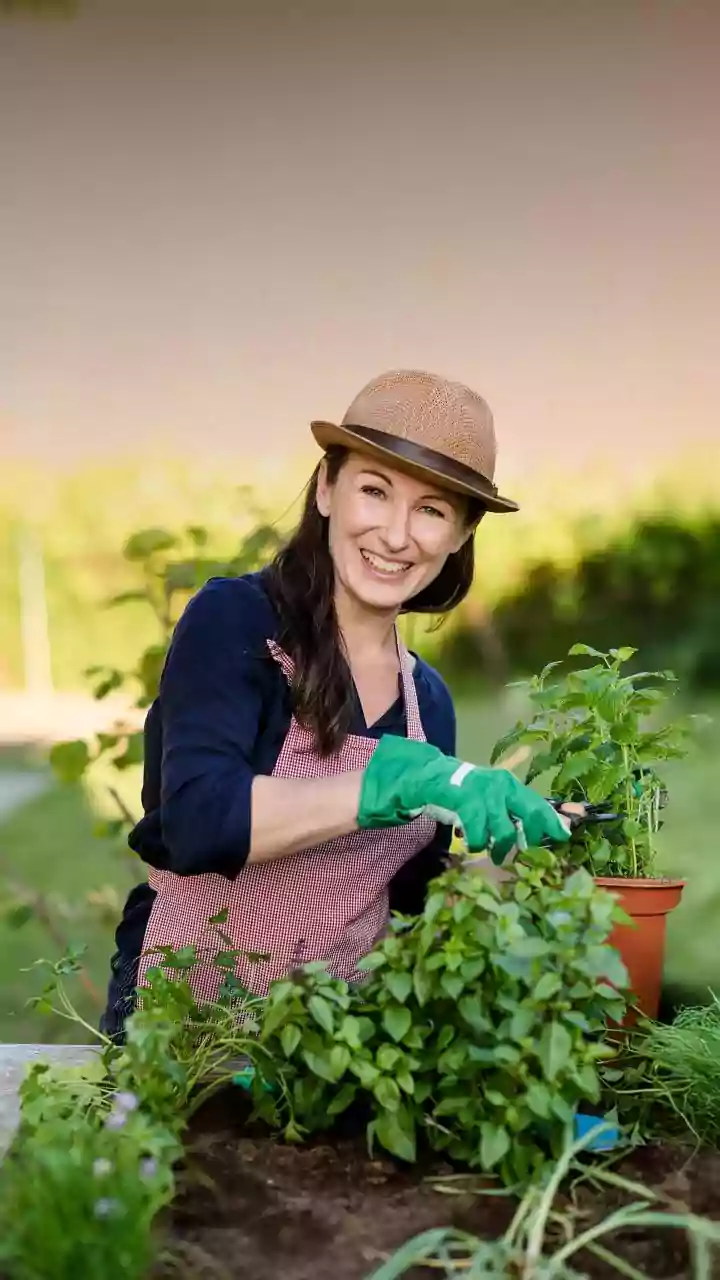
Not all plants enjoy constant rain, but many herbs flourish. When choosing your green companions, focus on those that appreciate moisture but are planted in pots with excellent drainage. Here are five easy-to-grow herbs perfect for an Indian monsoon garden: 1. Mint (Pudina): Perhaps the easiest herb for beginners, mint loves moist soil and partial shade, making it perfect for the season. It grows vigorously, so it is best to keep it in its own pot. Regular harvesting encourages bushier growth, ensuring a steady supply for chutneys and drinks. 2. Holy Basil (Tulsi): A staple in many Indian homes, Tulsi is a hardy plant that thrives in pots. While it likes sun, it does well with the 4-6 hours of indirect light common on monsoon days. Ensure the soil is well-draining and avoid overwatering; only water when the topsoil feels dry. 3. Coriander (Dhaniya): Growing coriander from seeds is incredibly rewarding. This herb prefers cooler weather and grows quickly in the monsoon. Use a wide, shallow pot for best results and you can start harvesting fresh leaves in just a few weeks. 4. Lemongrass: This fragrant grass loves humidity and rain. A single plant can provide aromatic leaves for teas and Asian cooking all season long. Plant it in a medium-to-large pot to allow its root system to expand and enjoy its fresh, citrusy scent after a downpour. 5. Indian Borage (Ajwain): The leaves of this plant have a distinct aroma similar to ajwain seeds. It's a fleshy, hardy herb that does well in pots and requires minimal care, making it a great addition to your monsoon garden.
Your Simple Starter Guide
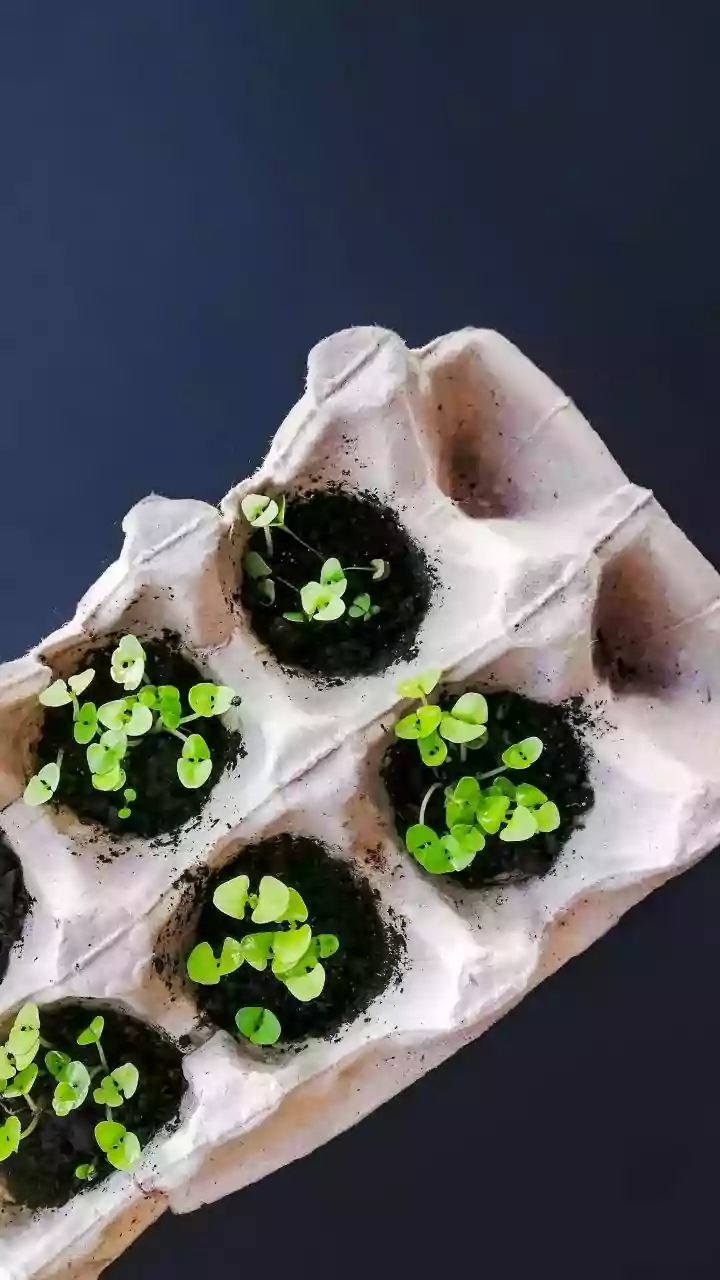
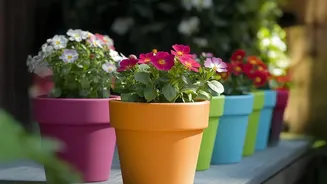
Starting your own herb garden is simpler than you might think. First, focus on drainage. This is the most critical factor for success during the rains. Choose pots with plenty of drainage holes at the bottom. Terracotta pots are excellent as they are porous. Next, prepare your soil. A light, well-draining potting mix is essential to prevent waterlogging. You can buy a ready-made mix or create your own by combining garden soil, compost, and sand or cocopeat to improve aeration. You can start with seeds or, for quicker results, buy small saplings from a local nursery. Place your pots where they receive adequate light but are shielded from the heaviest downpours, which can damage delicate plants.
Caring For Your Green Oasis
Monsoon gardening requires a shift in routine. The biggest mistake is assuming rain takes care of all your watering needs. Sometimes pots on a covered balcony remain dry, while others get drenched. Always check the soil by hand; if the top inch feels dry, it's time to water. On the other hand, avoid watering automatically every day. Good air circulation is important to prevent fungal diseases, so avoid overcrowding your plants. Regularly pinch off the top leaves of your herbs. This practice, known as harvesting, encourages the plant to become bushier and produce more leaves for you to enjoy.