







The Psychology of the Invisible Spend
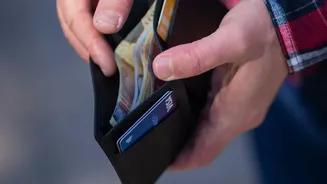
Paying with cash creates a tangible sense of loss, a concept psychologists call the “pain of paying”. Every note you hand over is a physical reminder of the transaction. Digital payments, especially the seamless tap-and-go nature of UPI, remove this friction
entirely. Studies have shown that people are willing to spend significantly more when they don't use physical cash because the transaction feels abstract and less real. Each ₹20 for a cup of chai or ₹50 for an auto ride feels insignificant on its own, but this frictionless spending accumulates, creating a significant budget deficit by the end of the month without you ever realizing where the money went.
Conduct a Weekly Spending Audit
The first step to plugging a leak is finding its source. Dedicate 15-20 minutes every Sunday to review all your UPI transactions from the past week. Most UPI apps now have a transaction history feature, and some even offer basic spending analytics that categorise your purchases. Go through the list and manually tally your spending in key categories like food, transport, shopping, and entertainment. This simple habit brings visibility to your invisible spends. Seeing that your 'minor' coffee expenses added up to ₹1,000 in a week is a powerful reality check that can inspire immediate behavioural change.
Create 'Digital Envelopes' for Wants
The classic 'envelope system' of budgeting, where you allocate cash into envelopes for different expenses, can be adapted for the digital age. At the start of the month, decide on a budget for your discretionary 'wants'—like ordering food online, impulse shopping, or entertainment. You can then use a secondary UPI-linked account or a digital wallet specifically for these expenses. Load only your budgeted amount into it. Once the money in this digital envelope is gone, your spending on wants stops for the month. This creates a hard limit and prevents impulse buys from bleeding into funds meant for essential needs.
Implement a 24-Hour Cooling-Off Period
Impulse buying is a major contributor to UPI leakage. The speed of digital payments often short-circuits our decision-making process. To counteract this, introduce a mandatory 24-hour waiting period for any non-essential purchase over a certain amount, say ₹500. If you see something you want to buy online, add it to your cart but don't check out. If you still feel you need it a day later, then proceed with the purchase. More often than not, the initial urgency will fade, and you'll realise it was an impulse, not a need. This simple pause helps you regain control from the instant gratification loop.
Use App Features to Your Advantage
Modern financial apps are designed to help you manage money better, if you use them correctly. Many UPI apps and third-party expense trackers allow you to set spending limits and alerts. For example, the BHIM app has a 'Spend Analytics' feature and allows users to set self-defined spending limits, sending alerts when those limits are approached. Take the time to explore these settings in your preferred app. Set up notifications that alert you when you've spent a certain amount in a day or a specific category. These digital nudges can act as a circuit breaker, making you more mindful of your spending in the moment.
Schedule a 'No-Spend' or 'Cash-Only' Day
To reset your dependency on the effortless swipe, designate one day a week as a 'no-spend' day for non-essentials or a 'cash-only' day. On a cash-only day, you'll be forced to physically hand over money, re-engaging the psychological 'pain of paying' that digital transactions erase. This practice not only saves you money for that day but also makes you more conscious of your consumption patterns. It's a small but effective way to build financial discipline and prove to yourself that you are in control of your wallet, not the other way around.