



A Return to Slower, Healthier Cooking
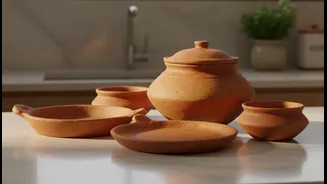
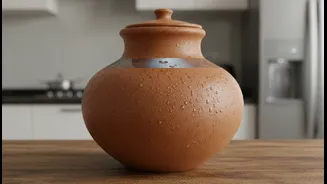
The resurgence of clay cookware is more than just nostalgia; it's a conscious choice for a healthier lifestyle. Unlike modern non-stick pans which can release chemicals, terracotta is 100% natural and non-toxic. This shift is driven by a growing awareness
of what goes into our food. Clay's alkaline nature helps to neutralise the pH level of acidic ingredients, making meals easier to digest. Furthermore, cooking in clay pots often requires significantly less oil, as the porous material allows heat and moisture to circulate evenly, steaming food in its own juices. This slow-cooking process not only makes for a healthier meal but also helps retain vitamins and minerals that can be lost with high-heat metal cookware.
The Authentic Flavour of the Earth
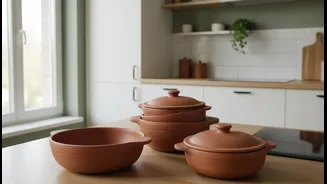
Ask anyone who has eaten a biryani or dal cooked in a traditional handi, and they'll tell you the taste is different—richer, deeper, and more aromatic. This isn't just imagination. The porous nature of clay allows for slow and even heat distribution, which lets spices and flavours meld together beautifully. It locks in moisture, ensuring that meat becomes tender and vegetables remain juicy and flavourful. This process imparts a unique, subtle earthiness that simply cannot be replicated by metal or glass pots, connecting the dish to its culinary heritage in a tangible way.
From the Potter's Wheel to Urban Livelihoods
The journey of each terracotta pot begins in a village workshop, often with skills passed down through generations. The revival of this trend is breathing new life into these artisan communities. For many rural and tribal artisans, pottery is a primary source of livelihood, and the rising demand from city dwellers provides a crucial economic boost. By choosing to buy these handcrafted items, consumers are not only getting a unique product but are also helping to preserve a vital part of India's cultural heritage. This connection between the urban consumer and the rural artisan fosters a sustainable ecosystem where ancient crafts can thrive in a modern economy.
An Eco-Friendly Choice for the Modern Kitchen
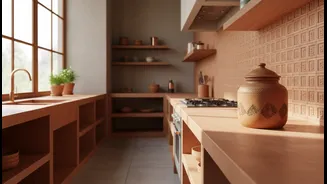
In an age of heightened environmental consciousness, terracotta cookware stands out as a remarkably sustainable choice. Made from natural, abundant clay, its production has a minimal carbon footprint compared to industrial manufacturing. At the end of its life, a clay pot is fully biodegradable and can return to the earth without leaving behind harmful waste, unlike coated pans that often end up in landfills. This makes choosing clay a small but powerful statement—a vote for a more sustainable, mindful, and eco-friendly way of life that begins right in our own kitchens.