





The Core of the Proposal
At the recent ASEAN-India Summit in Manila, Indian Prime Minister Narendra Modi announced a proposal to grant free e-tourist visas to citizens from all eleven member states of the Association of Southeast Asian Nations (ASEAN). The nations set to benefit
from this are Brunei, Cambodia, Indonesia, Laos, Malaysia, Myanmar, the Philippines, Singapore, Thailand, Timor-Leste, and Vietnam. This initiative aims to waive the government processing fee for the electronic tourist visa, which currently ranges from $10 to $25 for a 30-day visa, depending on the applicant's nationality. While some ASEAN countries already enjoy a fee waiver, this proposal would standardize the policy across the entire bloc, removing a key barrier to entry and simplifying travel planning for millions. The Indian government has yet to announce a specific date for when the scheme will be implemented or provide final details on eligibility.
A Key Pillar of the 'Act East' Policy
This visa waiver is more than just a tourism-friendly gesture; it is a significant element of India's 'Act East' Policy. Originally launched as the 'Look East' policy in the 1990s and upgraded in 2014, this foreign policy doctrine aims to cultivate deeper economic and strategic relationships with the nations of Southeast Asia. The policy rests on three pillars: Commerce, Culture, and Connectivity. By simplifying travel, India aims to strengthen people-to-people connections, which serve as a foundation for stronger diplomatic and economic partnerships. The proposal was announced alongside other initiatives in maritime security, technology exchange, and education, reinforcing India's commitment to becoming a key partner for ASEAN in the broader Indo-Pacific region.
An Anticipated Boost for the Tourism Economy
Removing visa fees is a proven strategy for increasing tourist arrivals and revenue. Studies and real-world examples from other countries show that visa facilitation can lead to a significant annual increase in tourism. For India, which received over 800,000 visitors from ASEAN countries in 2025, the potential is substantial. An influx of tourists translates directly into economic benefits, stimulating the hospitality sector, airlines, local transport, and retail businesses. It creates job opportunities and brings in valuable foreign exchange. Furthermore, the initiative is expected to enhance India's appeal for cultural and spiritual tourism, with attractions like the Buddhist circuits and Ramayana trails being particularly relevant for visitors from Southeast Asia.
How the E-Visa System Works
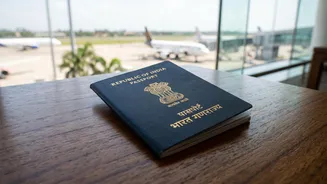
For travellers, the Indian e-visa system is already a relatively streamlined process, conducted entirely online. Applicants typically need to fill out a form on the official government portal, upload a digital photograph and a scanned copy of their passport's biographical page. The current e-tourist visas are available for different durations, including 30 days, one year, and five years, with multiple entries allowed. The 'free' visa proposal would mean that the government fee associated with the application is waived, though any third-party service fees or bank charges may still apply. Travellers would still need a passport with at least six months of validity and two blank pages. Upon approval, an Electronic Travel Authorization (ETA) is sent via email, which must be printed and presented at immigration upon arrival in India.
The Road Ahead
While the announcement marks a clear statement of intent, it is important to note that this is still a proposal. The Indian government has not yet provided a timeline for the launch of the free e-visa scheme for all ASEAN nations. Key details regarding the official start date and the specific terms of eligibility are still awaited. The Ministry of External Affairs will need to coordinate with other ministries to work out the implementation framework. For prospective travellers from the ASEAN region, the next step is to watch for official notifications from the Indian government. The move is widely seen as a positive development that will harmonize India's visa policy for a crucial regional bloc and unlock new potential for travel and intercultural exchange once it comes into effect.