






The Current Visa Policy Explained
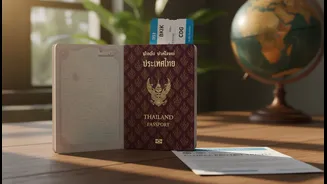
In a recent decision on July 14, 2026, the Thai government confirmed that Indian passport holders can continue to enter Thailand without a visa. However, the permitted duration of stay under this visa-free scheme has been revised. Previously, a temporary
60-day visa-free stay was in effect, but this has now been standardized to 30 days. This move came after a period of confusion where it was proposed that visa-free entry might be scrapped altogether in favour of a paid Visa-on-Arrival (VoA). The government reversed this proposal after seeing a drop in bookings from India, a key tourism market. The new 30-day visa-free rule is seen as a stable, long-term policy that balances tourism promotion with immigration control.
What 'Visa-Free' Actually Means for You
The continuation of the visa-free policy offers two primary benefits: convenience and cost savings. Firstly, it eliminates the need for pre-travel visa applications or queuing for a Visa-on-Arrival at the airport. This saves significant time and reduces travel-related stress. Secondly, it removes the visa fee, which was previously around 2,000 Thai Baht (approximately ₹4,500-₹5,000) for a VoA. While the stay is now limited to 30 days, this is more than sufficient for most Indian tourists, whose average trip duration is about 7-10 days. For those planning a standard week-long vacation to destinations like Bangkok, Phuket, or Krabi, the 30-day limit has virtually no negative impact.
The Real-World Value Beyond the Visa
Thailand's reputation as a value-for-money destination extends far beyond the visa policy. The country remains one of the most affordable international getaways for Indian travellers. Flights from major Indian cities like Delhi, Mumbai, and Kolkata are relatively short and can be found for ₹15,000-₹25,000 for a round trip if booked in advance. Once there, the cost of living provides excellent value. Accommodation options are plentiful and suit every budget, with clean hostels available from ₹700 per night and comfortable mid-range hotels from ₹2,500. The true star is the food culture; delicious and authentic street food meals can be enjoyed for as little as ₹200-₹400. Local transportation, from city metros to inter-island ferries, is also highly affordable, making it easy to explore without breaking the bank.
Maximising Your 30-Day Thai Holiday
With a 30-day window, you have ample time to experience the diverse offerings of Thailand. A typical 7-10 day trip allows for a combination of city exploration and beach relaxation. You could spend a few days in Bangkok exploring its grand temples and bustling markets, followed by a flight to the south to enjoy the beaches of Phuket or the limestone karsts of Krabi. For a more offbeat experience, consider heading north to Chiang Mai for its cooler climate, elephant sanctuaries, and rich cultural heritage. The visa-free status makes spontaneous trips easier to plan. You can book flights when you spot a good deal without worrying about a lengthy visa process, making last-minute getaways a real possibility. Travellers should, however, remember to fill out the Thailand Digital Arrival Card (TDAC) online before their trip, as this is a mandatory requirement for all foreign visitors.
Is It Still a Budget-Friendly Choice?
Absolutely. Despite global inflation, Thailand continues to offer exceptional value. A well-planned, week-long budget trip can be managed within ₹40,000 to ₹55,000 per person, excluding flights. This affordability allows travellers to enjoy a wide range of experiences, from island hopping and water sports to spa treatments and shopping, without the financial strain associated with destinations in Europe or North America. The decision to maintain visa-free entry, even for 30 days, underscores the Thai government's commitment to the Indian market. It ensures that the country remains one of the most accessible, appealing, and cost-effective international destinations for Indian tourists looking for a memorable holiday.