
The Protective Style Paradox
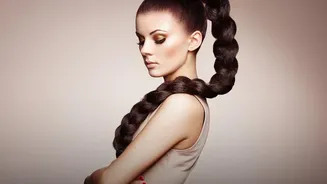
Braids are a go-to protective style, celebrated for minimizing daily hair manipulation and shielding strands from damage. They can help with length retention by keeping ends tucked away and less prone to breakage. Yet, for many, the experience is a painful
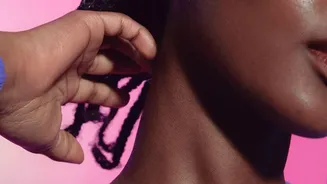
trade-off. The constant, heavy pulling from some braided styles can lead to tension headaches, sore spots, and small, painful bumps along the hairline. Over time, this consistent strain on the hair follicles can cause a type of hair loss known as traction alopecia, which can become permanent if not addressed. The very style meant to protect hair can end up harming the scalp, creating a frustrating paradox for braid lovers.
What Are Lightweight Wefts?
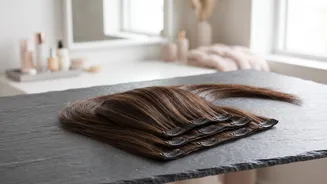
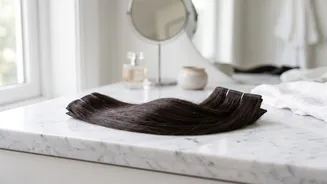
A weft is a collection of hair strands sewn together in a continuous strip, ready to be incorporated into styles like braids or weaves. The term 'lightweight' refers to the material and construction of these wefts. While human hair is naturally lighter than many synthetic alternatives, modern innovations have led to high-quality synthetic fibers that are significantly lighter than their predecessors. Materials like advanced Kanekalon, Toyokalon, or even plant-based banana fibers are engineered to be less dense. Additionally, how the weft is made matters. Hand-tied wefts are sewn by hand into a very thin, flexible line, making them lighter and flatter against the scalp compared to thicker, machine-made wefts.
Less Weight Means Less Tension
The logic is simple: the less weight you add to your natural hair, the less strain you put on your scalp and follicles. Heavy extensions increase the pulling force on each section of your hair, which is the primary cause of traction alopecia. By choosing lighter materials, you distribute the weight more evenly and reduce the overall load. This not only makes the initial installation more comfortable but also minimizes the cumulative stress on your hairline and scalp over the weeks you wear the style. This simple switch is a crucial step in preventing the pain and damage associated with heavy braids, allowing your protective style to be truly protective.
The Affordability Advantage
While human hair is a premium, lightweight option, it comes with a higher price tag. This is where modern lightweight synthetic wefts truly shine. Brands like X-Pression and Queen B offer affordable, high-quality synthetic fibers that are soft, easy to braid with, and gentle on the scalp. Many are sold in multi-packs designed to cover a full head with a single purchase, making them incredibly cost-effective. For example, a full head of braids might be achieved with a single multipack costing just over $10, a fraction of the cost of human hair. This affordability makes it easier to experiment with different styles and to change them out regularly, which is also healthier for your scalp.
How to Choose the Right Wefts
When shopping for braiding hair, look for terms like 'lightweight', 'pre-stretched', and 'hypoallergenic' on the packaging. Pre-stretched hair saves your stylist time and reduces tension because the fibers are already prepared for a seamless blend. Consider fibers like Toyokalon, which is known for being softer and lighter than traditional Kanekalon, or innovative options like Rebundle, which uses biodegradable banana fiber. Don't hesitate to talk to your stylist before your appointment. They can offer expert recommendations based on your hair type and the specific style you want. Communicating your desire for a lightweight, low-tension style from the start is the best way to ensure a comfortable and beautiful result.