



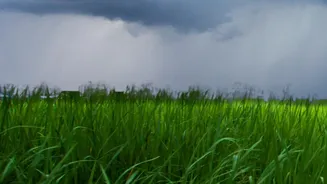
The Monsoon's Mid-Season Pause
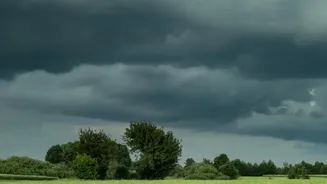
After a volatile start to the season which saw a massive deficit in June followed by a recovery in July, the monsoon is showing signs of losing momentum again. According to the India Meteorological Department (IMD), the cumulative rainfall deficit for
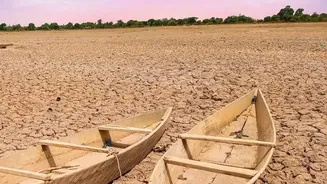
the country stood at 12% below the long-period average as of early August. Forecasts for the rest of the month are not encouraging, with predictions of below-normal rainfall, particularly across western, central, and southern India. August is a critical month for the Kharif sowing season, as this is when crops enter their primary growth phase. A lack of adequate moisture now can severely stunt development and reduce final yields, even in areas where sowing was completed on time.
Which Crops Are Most Vulnerable?
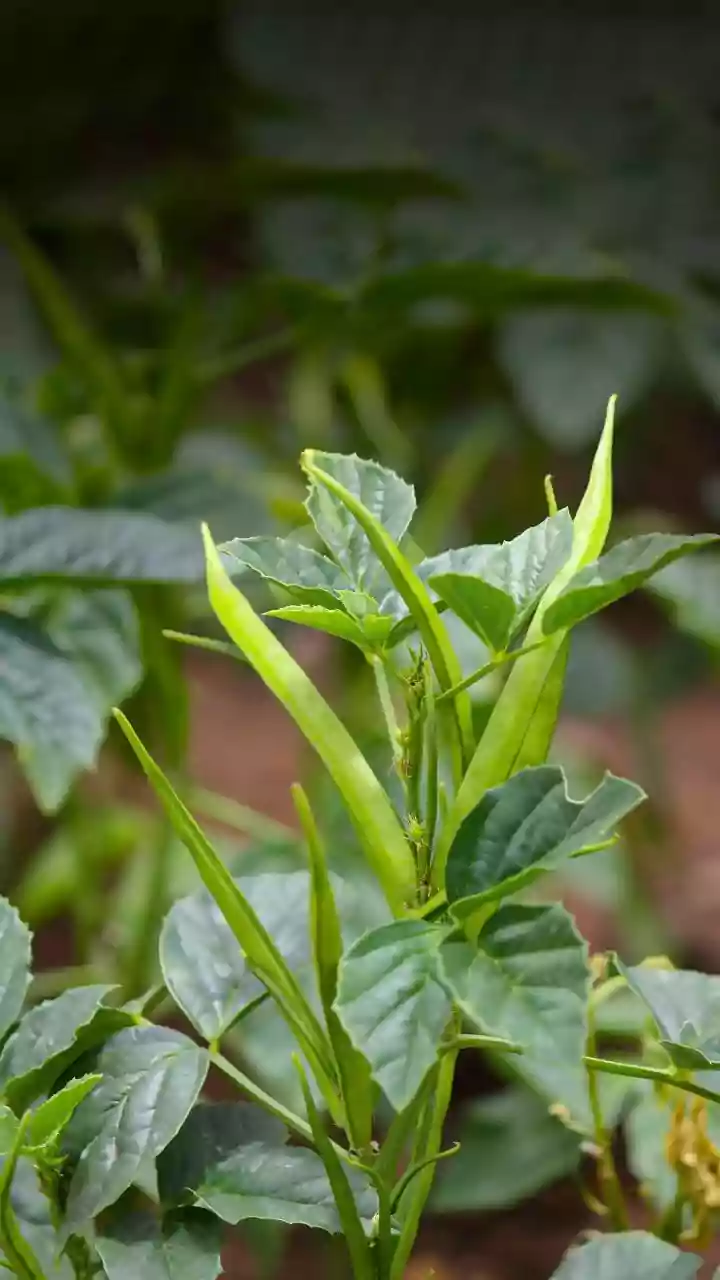
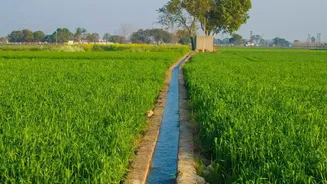
The timing of a dry spell is just as important as its intensity. An August deficit poses a significant threat to key rain-fed Kharif crops. Paddy (rice) is a primary concern, with acreage already down 3.7% compared to last year as of mid-August. Other major crops feeling the pressure include pulses like tur and maize, both down by 4%, along with cotton and sugarcane. These crops, which form the backbone of India's food supply and agricultural economy, are highly dependent on consistent rainfall for growth and grain formation. While India maintains comfortable buffer stocks of staples like rice and wheat, a shortfall in the production of pulses, oilseeds, and vegetables could quickly translate into market volatility. Vegetables are particularly sensitive to rainfall fluctuations, with price shocks often felt within days or weeks of a disruption.
The Ripple Effect on Your Wallet
For the average consumer, the most immediate impact of a poor monsoon is felt through food inflation. Reduced agricultural output tightens supply, leading to higher prices at the local mandi and, eventually, in retail stores. Vegetables, being perishable, are often the first to see price spikes. However, a sustained dry spell can also drive up the cost of essential staples like pulses and edible oils, which are significant components of household budgets. The fear of a bad harvest itself can trigger hoarding and speculative behaviour in markets, further amplifying price pressures even before the actual supply shortages occur. This potential rise in food inflation comes at a time when households are already navigating other economic pressures, making the monsoon's performance a key factor for overall economic stability.
Beyond the Farm Gate
The consequences of a weak monsoon extend far beyond agricultural markets. The rural economy, which supports nearly half of India's population, is deeply intertwined with the fate of the rains. Lower crop yields lead to reduced farm incomes, which in turn dampens rural demand for a wide range of goods, from tractors and two-wheelers to everyday consumer products. This slowdown in consumption can have a cascading effect, impacting corporate earnings and potentially shaving points off India's overall GDP growth. Furthermore, a poor monsoon strains government finances. Weaker rural incomes can increase the need for support measures and subsidies, while also putting pressure on the management of water resources in reservoirs critical for drinking water and hydropower.
Government on Alert
Well aware of the risks, the Indian government has been preparing contingency plans. As early as June, the agriculture ministry had identified over 300 districts vulnerable to a weak monsoon and advised states to prepare accordingly. These plans include promoting the cultivation of less water-intensive and short-duration crops like millets and certain pulses in rain-fed areas. Other measures involve ensuring the availability of seed kits for alternative crops, repairing water-harvesting structures, and issuing timely advisories to farmers. If prices spiral, the government can also deploy buffer stocks of key grains to cool the market and impose trade restrictions, such as export bans, to ensure domestic availability. The coming weeks will be crucial, and the effectiveness of these measures will depend on how the rest of the monsoon season unfolds.