







The Old Way vs. The New Model
For decades, the process of getting a visa has been a distinct, often cumbersome, part of international travel. It involves separate applications, gathering numerous documents, and sometimes, long waits for appointments and approvals. This administrative
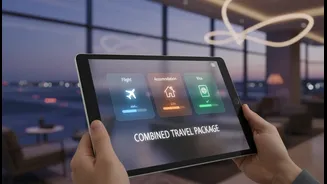
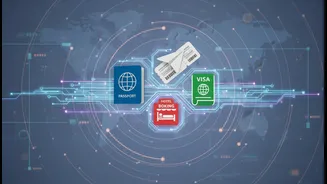
hurdle exists independently of booking flights or accommodation. The concept of a “bundled” service, however, turns this model on its head. Imagine buying a single package that includes your flight, your hotel, and your visa, all in one seamless transaction. Instead of being a separate chore, the visa application becomes an integrated feature of your travel booking. This approach is common in other industries—think of telecom providers bundling internet, TV, and phone services. Now, countries are applying this logic to tourism to create a more user-friendly experience from the very first click.
How Saudi Arabia’s Package Visa Works
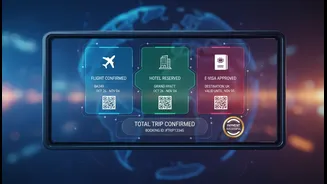
In early July 2026, Saudi Arabia launched a pilot for its new “Package Visa,” a system designed to embody this bundled approach. Currently available to travellers from seven countries, including India, Pakistan, and Indonesia, the initiative streamlines the entire pre-travel process. Visitors book their trip through an accredited travel provider, selecting a package that must include a round-trip flight and accommodation at a licensed hotel of four stars or higher. The tourist e-visa application is built directly into this booking process. Once the package is purchased, the visa is issued electronically within 48 hours and sent to the traveller via email, along with travel insurance documents. This eliminates the need for separate applications or visits to an embassy. The visa itself is a single-entry permit, valid for three months, and allows for a stay of up to 88 days.
A Streamlined Experience for Indian Travellers
For Indian citizens, this new system represents a significant shift. India is one of the first countries included in the pilot program, highlighting its importance as a source market for Saudi tourism. Traditionally, obtaining a visa involves navigating online portals or visiting service centres. The Package Visa simplifies this by handing the process over to authorized travel companies. While the initial packages do not specifically cover Umrah arrangements, the tourist visa granted does permit travel throughout the Kingdom, including to the holy cities of Makkah and Madinah. This offers flexibility for pilgrims who may wish to combine their religious journey with broader tourism. The key benefit is the reduction in administrative burden and the convenience of a one-stop-shop for core travel arrangements, making a trip to the Kingdom far more accessible.
More Than Just a Visa
The Package Visa is a key component of Saudi Arabia’s ambitious Vision 2030 plan, which aims to diversify the nation's economy away from oil and establish it as a global tourism hub. This initiative is not happening in a vacuum. It follows other recent moves to ease entry, such as the introduction of a general tourist e-visa, visa-on-arrival for eligible passport holders, and a free 96-hour Stopover Visa. Furthermore, the government has launched unified digital platforms like 'KSA VISA' to consolidate over 30 government and private sector services related to various visa types—from tourism and business to Hajj and Umrah. Another platform, 'Nusuk', specifically caters to pilgrims, allowing them to plan their entire spiritual journey online. Together, these efforts signal a clear strategy: to use technology to create a seamless, efficient, and welcoming experience for all visitors.
The Future of Global Travel?
Saudi Arabia’s experiment with bundled services could be a bellwether for the future of international travel. In an increasingly competitive tourism market, countries are realizing that a complicated visa process can be a major deterrent. By integrating the visa into the travel package, the focus shifts from bureaucratic gatekeeping to customer service. This model could become a new standard, especially as global travel rebounds and technology makes such integration easier. Market analysts already point to a growing demand for integrated travel solutions and digital visa platforms. As travellers become accustomed to the ease of one-click bookings for every other aspect of their lives, they will increasingly expect the same for international travel. The nations that simplify access will likely be the ones that win the attention of the world's growing 'travelling class'.