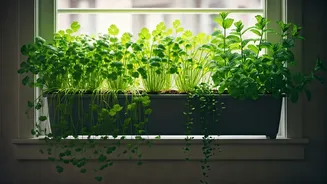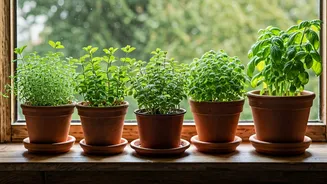

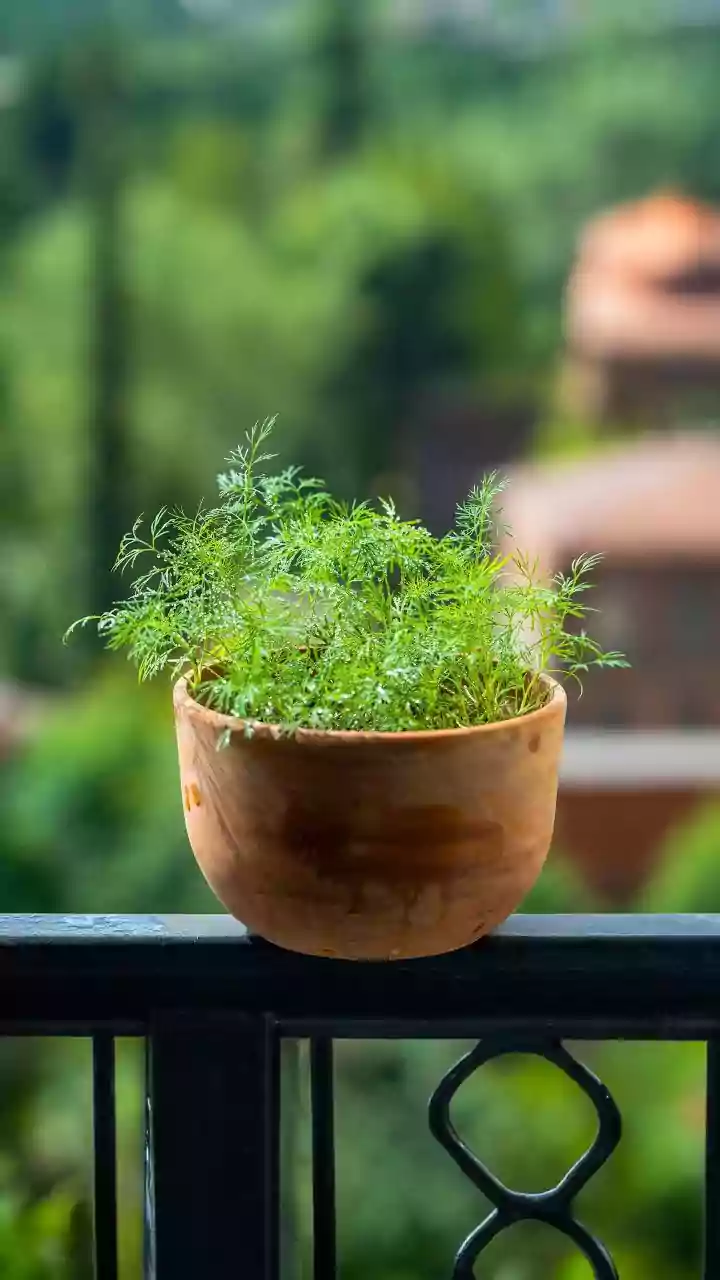


General Tips for Monsoon Herb Care
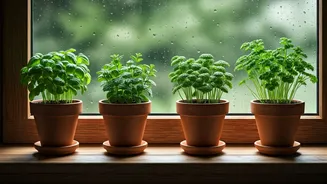
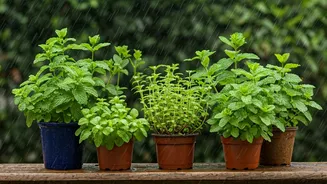
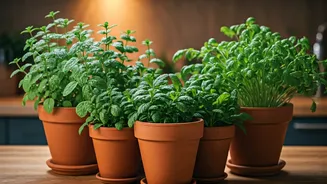
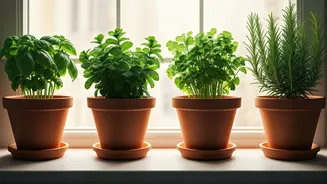
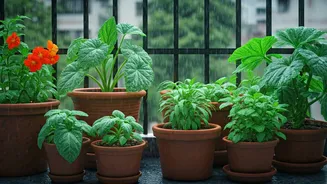
The monsoon brings high humidity and reduced sunlight, which requires a slight adjustment in your gardening routine. Ensure all your pots have excellent drainage to prevent waterlogging, which can lead to root rot. A well-draining potting mix, perhaps
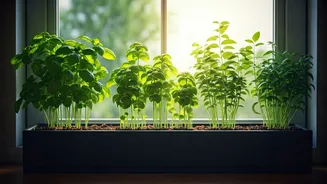
with some compost or perlite, is crucial. Water your herbs only when the top inch of soil feels dry. Given the cloudy days, place your plants near a south or west-facing window to catch as much light as possible. If natural light is very limited, consider rotating your pots or even using a small fan to improve air circulation and prevent fungal growth.
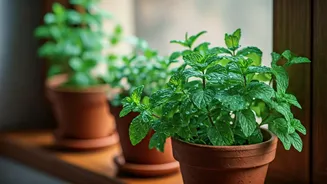
1. Mint (Pudina)
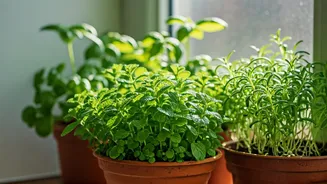
Mint is a wonderfully resilient herb that thrives in the cool, damp conditions of the monsoon, making it an ideal choice for indoor cultivation. It’s perfect for everything from refreshing chutneys to invigorating cups of tea. To start, you can easily propagate mint from a stem cutting. Simply take a 5-6 inch cutting from a healthy plant, remove the lower leaves, and place it in a glass of water. In about a week or two, you will see roots begin to form. Once the roots are a couple of inches long, plant it in a wide pot with well-draining soil. Mint has a tendency to spread, so a container keeps it happily contained. Keep the soil consistently moist but not waterlogged, and place it in a spot that receives indirect sunlight. Harvest the leaves regularly by pinching off the tops to encourage bushier growth.
2. Holy Basil (Tulsi)
A staple in many Indian households, Tulsi is revered for both its spiritual significance and its medicinal properties. It grows vigorously in the warm, humid weather of the monsoon. You can grow Tulsi from seeds or a cutting. When growing from seed, sow them in a pot filled with good-quality soil, covering them lightly. Keep the soil moist, and the seeds should germinate within one to two weeks. Tulsi needs at least four to six hours of sunlight daily, so a spot near a sunny window is essential. Be careful not to overwater, especially during the rains; water only when the top layer of soil is dry. Regularly pinching off the flower buds (manjiri) will help the plant become fuller and produce more leaves.
3. Coriander (Dhania)
No Indian kitchen is complete without fresh coriander, and growing it indoors ensures you have a pesticide-free supply at your fingertips. Coriander is a cool-season crop that can be sensitive to very hot weather, making the milder temperatures of the monsoon a good time to grow it. To start from seed, it's often recommended to gently split the whole coriander seeds into two halves to improve germination. Sow the seeds about a quarter-inch deep in a wide, shallow pot with a well-draining potting mix. Keep the soil consistently moist until the seeds germinate, which typically takes 7-14 days. Coriander prefers a few hours of sunlight but can tolerate partial shade, which is common during cloudy monsoon days. You can start harvesting the leaves as a 'cut-and-come-again' crop once the plant is about 4-6 inches tall.
4. Lemongrass
The fresh, citrusy aroma of lemongrass is a delight, perfect for flavouring teas and Asian cuisine. This tropical grass, native to India and Sri Lanka, loves warmth and can be easily grown indoors in a pot. The simplest way to start is by rooting stalks purchased from the supermarket. Choose firm stalks, trim any dry tops, and place them in a jar with an inch of water. Within a few weeks, roots will begin to sprout. Once the roots are an inch or two long, you can plant the stalk in a deep pot filled with potting soil, as lemongrass has a substantial root system. It thrives in full sun, so place it in the sunniest spot you have, ideally for 6-8 hours a day. Keep the soil damp but not waterlogged.