








The Timing Trap: Why Checking the Clock is Crucial
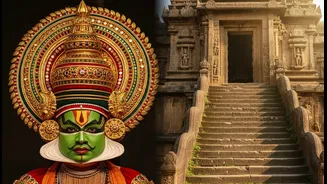
One of the biggest errors travellers make is assuming they can simply show up for a cultural performance. Many of India’s classical and folk arts run on specific, often immovable schedules. A Kathakali performance in Kochi, for example, typically begins
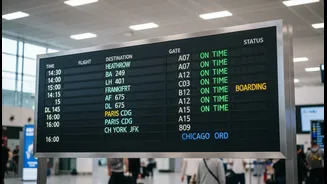
in the evening, around 5:00 PM or 6:00 PM. The experience often includes the pre-show makeup application, a captivating ritual in itself that you would miss without prior knowledge. Similarly, a classical music concert in Chennai or a play in a Delhi theatre will have a fixed start time. Missing the first act because you were stuck in traffic or didn’t know the schedule is a disappointing and easily avoidable mistake. Before your trip, find the official websites of venues or cultural centres. For major festivals, tourism board websites are invaluable resources. When in doubt, call the venue directly to confirm timings, duration, and booking requirements.
Double Your Delight: Pair Art with Heritage
The secret to a seamless cultural itinerary is geographic synergy. Instead of crisscrossing a city and wasting hours in transit, plan your day around a specific zone. Look at a map and identify a major performance venue or festival location. Then, search for heritage sites, museums, and markets within a few kilometres. This approach turns a single event into a rich, full-day experience without the exhaustion. For instance, if you are planning to watch a Kathakali show in the historic Fort Kochi area, you can spend the afternoon exploring the charming colonial-era streets, the iconic Chinese fishing nets, and St. Francis Church. In Delhi, a morning spent at Humayun’s Tomb can be perfectly paired with an evening performance at the nearby India Habitat Centre. This strategy allows for a more relaxed pace, deeper immersion, and less time staring at the back of a taxi.
A Smart Itinerary: The Jaipur Example
Let’s put this into practice with a hypothetical day in Jaipur, the Pink City. Many travellers make the mistake of trying to see everything in one frantic dash. A smarter approach would be to dedicate the morning to a single, major heritage site like the magnificent Amer Fort. After exploring the fort, you can have a leisurely lunch and return to your hotel for a rest, especially important for families with children. In the evening, you could head to a cultural venue like Jawahar Kala Kendra to watch a traditional Rajasthani folk performance. Because you’ve already checked the show timings, you know exactly when to leave. This structured yet unhurried plan ensures you experience both the grandeur of Jaipur’s history and the vibrancy of its living culture without feeling overwhelmed. This principle of picking one major heritage stop and one cultural event per day can be applied to almost any city, from Udaipur to Varanasi.
Common Mistakes to Sidestep
Beyond timing, several other common pitfalls can derail a cultural trip. The first is underestimating travel time. India's vibrant cities are notorious for traffic, and what looks like a 30-minute journey on a map can easily take over an hour. Always buffer your travel time. Another mistake is forgetting to book popular shows in advance, especially during peak tourist season (October to March). Many performances sell out quickly. Furthermore, pay attention to local etiquette and dress codes. When visiting temples or other religious sites, which are often part of a cultural tour, modest dress that covers shoulders and knees is a sign of respect. Removing your shoes before entering a sacred space or a private home is also standard practice. Finally, avoid the temptation to overschedule. India is a country best savoured, not rushed. Trying to visit three forts and two museums before an evening show is a recipe for burnout, not discovery.