





The Golden Hour Arrives
The single biggest reason October transforms Rajasthan is the weather. After months of intense heat followed by the monsoon, October ushers in the delightful post-monsoon and early winter climate. Daily temperatures become comfortable, typically ranging
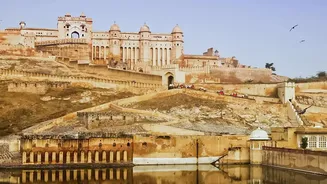
from the low 30s Celsius during the day to cooler, pleasant evenings around 20°C. This shift is crucial. It means you can explore sprawling complexes like Jaipur's Amer Fort or Jodhpur's Mehrangarh Fort without the draining heat of summer. The air is dry, the skies are generally clear, and the gentler sunlight makes for perfect sightseeing and photography, casting a golden glow on the ancient sandstone and marble. This comfortable climate allows for leisurely walks along battlements, unhurried exploration of palace courtyards, and comfortable desert safaris—activities that are far less enjoyable in other seasons.
A Calendar Bursting with Culture
October isn't just about pleasant weather; it's a month teeming with vibrant cultural events that breathe life into the state's heritage sites. Many of Rajasthan's most significant festivals happen between October and March. Jodhpur, in particular, becomes a hub of activity. The city hosts the Marwar Festival, a two-day event held around the full moon of Sharad Purnima, which pays homage to the folk heroes of Rajasthan. The festival's folk music and dance performances, centred on the romantic and heroic tales of the region's rulers, often use the magnificent Mehrangarh Fort and Umaid Bhawan Palace as their backdrops.
Music Echoes in Mehrangarh
Immediately following the Marwar Festival, Mehrangarh Fort becomes the stage for an even bigger event: the Rajasthan International Folk Festival (RIFF). This acclaimed five-day music festival, recognised by UNESCO, brings together over 250 folk artists from Rajasthan and around the globe. From dawn-time concerts featuring the spiritual songs of the Meghwal community to electrifying dusk performances, the fort's courtyards and ramparts echo with music. Artists from communities like the Langa, Manganiyar, and Kalbelia share their traditions, often collaborating with international musicians. Experiencing these performances within the ancient walls of the fort is an immersive experience that connects visitors directly to the living culture of the region.
The Landscape Reawakens
The monsoon rains of the preceding months have a rejuvenating effect on the arid landscape. In October, visitors are often surprised to find a greener, more refreshed Rajasthan. The hills around Udaipur and the Aravalli Range can be particularly lush, providing a stunning contrast to the ochre and sand-coloured architecture. This post-monsoon revival makes for beautiful drives between cities and offers a unique visual appeal that fades as winter progresses and the dryness returns. The filled-out lakes in Udaipur, like the iconic Lake Pichola, are at their most serene and picturesque, making boat rides a particularly magical experience. This brief period of verdant beauty adds another layer to the state's diverse appeal.
The Official Start of the Season
Practically speaking, October marks the official beginning of the peak tourist season in Rajasthan. After the slower monsoon period, the entire tourism ecosystem comes back to full strength. Heritage hotels are fully staffed, markets are bustling with new handicrafts, and tour guides and operators are ready to offer a complete range of experiences. While it's the start of the busy season, October often offers a sweet spot with fewer crowds than the absolute peak months of December and January. This allows for a more relaxed experience, whether you're navigating the blue lanes of Jodhpur, shopping in the bazaars of Jaipur, or watching the sunset over the golden dunes of Jaisalmer.