







Understanding Your Internal Clock
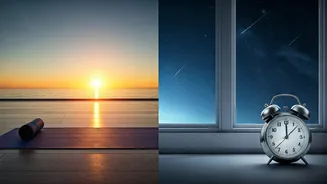
Every person operates on a unique internal 24-hour cycle known as a circadian rhythm. This biological clock influences everything from sleep-wake cycles to hormone release and body temperature. Your natural preference for mornings or evenings is called
your chronotype. 'Morning larks' feel most active and alert early in the day, while 'night owls' peak in the evening. These aren't just habits; they are deeply rooted in your genetics. Understanding your chronotype is the first step to aligning your exercise routine with your body’s natural peaks and troughs, which can lead to better performance, improved recovery, and greater health benefits. Forcing a night owl into a 5 a.m. gym session might be counterproductive, just as a morning person might struggle with a late-night workout.
The Case for Morning Workouts
For morning larks, an early workout feels natural and invigorating. Your body's cortisol levels, a hormone that boosts alertness, are naturally highest in the morning. This can give you the energy you need to tackle a workout. Studies suggest that morning exercise can be particularly effective for fat metabolism, especially if done before your first meal. It's also a great way to establish consistency. By getting your workout done first thing, you minimise the chances of daily responsibilities getting in the way later. Morning exercisers often report better mood and cognitive function throughout the day. However, your core body temperature is at its lowest in the morning, which can mean your muscles are stiffer and your peak strength might be lower than later in the day. A proper warm-up is crucial to prevent injury.
The Power of Evening Exercise
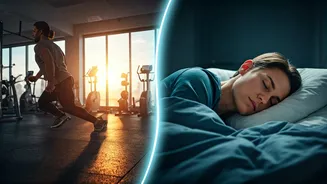
Night owls rejoice: the evening is your time to shine. Physiologically, most people experience peak performance in the late afternoon and early evening. Your core body temperature is higher, which means your muscles are warmer, more flexible, and ready for action. This often translates to greater strength, power, and endurance. If you’re looking to lift heavy or set a new personal record, an evening session might be your best bet. For many, a workout after a long day at work is also an excellent way to de-stress and transition into a relaxed evening. While old advice warned that evening exercise could disrupt sleep, recent studies show that for most people, especially night owls, moderate exercise in the evening does not negatively affect sleep and may even improve it, as long as you avoid vigorous activity within an hour of bedtime.
Should You Switch Your Schedule?
While your chronotype is largely genetic, it's not entirely rigid. If life demands that a night owl starts working out in the morning, it is possible to shift your body clock, albeit gradually. The key is consistency. Start by waking up 15-20 minutes earlier every few days, rather than making a drastic jump. Exposing yourself to bright, natural light as soon as you wake up is a powerful signal to your brain to reset your internal clock. Prepare everything the night before—lay out your clothes, pack your gym bag, and plan your breakfast—to remove any morning friction. It may take several weeks, but your body can adapt. However, it's important to listen to your body. If fighting your natural rhythm leads to stress, poor sleep, and skipped workouts, it's more beneficial to stick with the time of day that feels best for you.