







A Crisis in Custodianship
India’s past is monumental, but the institutions tasked with preserving it are facing a severe human resource crisis. The Archaeological Survey of India (ASI), the custodian of thousands of nationally protected monuments, is significantly understaffed.
In early 2025, it was reported that the ASI had only 4,845 employees against a sanctioned strength of 8,755, revealing a massive shortfall. This isn't a new problem; reports of thousands of vacancies have plagued the organisation for years, impacting everything from monument conservation to new archaeological research. This staff crunch means existing personnel are overburdened, leading to delays and potential neglect of our shared heritage. The issue extends to archives as well, where the meticulous work of preserving, cataloguing, and making records accessible is hampered by a lack of trained professionals.
The Changing Face of History
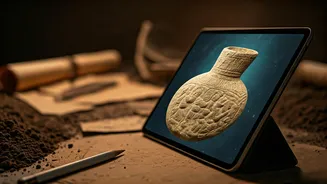
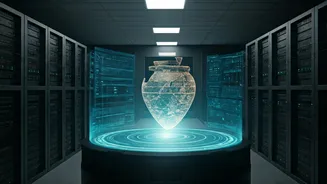
The problem isn’t just about filling old roles; it’s about finding people with entirely new skill sets. The 21st-century archaeologist or archivist is no longer just a historian or a scholar of ancient scripts. Today, the fields demand a hybrid professional who is as comfortable with technology as they are with trowels and manuscripts. Key skills now include Geographic Information Systems (GIS) for mapping sites, database management, and even knowledge of computer-aided design (CAD) to create simulations of what ancient structures might have looked like. For archivists, the challenge is monumental. The National Archives of India (NAI) is in the process of digitising a staggering 34 crore pages of records, a project expected to be completed by 2026. This requires not just manpower, but expertise in digital preservation, data science, and even Artificial Intelligence to improve search functions and user experience on portals like 'Abhilekh-Patal'.
The Rise of Digital Humanities
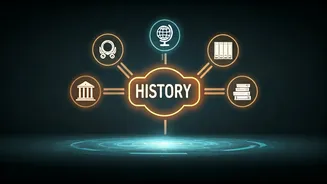
This technological shift is part of a broader, exciting field known as Digital Humanities (DH). This interdisciplinary area uses computational tools to explore questions in history, literature, and art. In India, DH is a growing field, with several universities now offering courses and programmes that train students to create digital archives, build interactive databases, and use technology for new kinds of research. This creates a demand for graduates who can bridge the gap between traditional humanities and modern technology. These new roles exist not just in government bodies but also in museums, universities, and private conservation projects. The ability to manage a digital project, analyse large datasets, or create a public-facing heritage walk app is becoming just as valuable as traditional excavation skills.
Overcoming Old Perceptions
Despite these exciting developments, attracting fresh talent remains a challenge. For years, archaeology and archival studies have been perceived as fields with limited job security and modest pay, often seen as passion projects rather than viable careers. While government jobs at the ASI are sought after, they are highly competitive and recruitment processes can be notoriously slow, causing anxiety for applicants. To attract a new generation, there needs to be a shift in perception, highlighting the cutting-edge technological aspects and diverse career paths now available. This includes roles in cultural resource management (CRM), heritage tourism, policy-making, and digital content creation. Breaking the old mould requires showcasing these fields as dynamic, technologically advanced, and crucial for preserving India's identity.