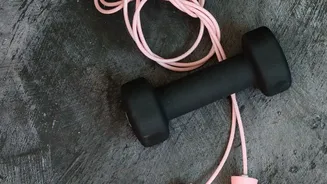







Jump rope is a powerhouse of a workout, packing incredible cardio and calorie-burning benefits into a simple, portable tool. But the secret to unlocking its full potential isn't just in the jumping; it's in the resting. Let's get into it.
Finding Your Jumping Rhythm
The right training
frequency is key for progress and injury prevention. If you're just starting, aim for one to three sessions per week. These early workouts should be short, around five to ten minutes, focusing on getting your form right rather than pushing for speed or duration. As your body adapts and your skill improves, you can gradually increase the frequency to three to five times a week and lengthen your sessions to 15 to 30 minutes. The most important rule is to listen to your body. Tendons and connective tissues in your ankles and calves take longer to adapt than your muscles, so starting slow is crucial for avoiding common injuries like shin splints.
Signs You're Overdoing It
Enthusiasm is great, but overtraining is a real risk that can set your progress back for weeks. Your body will send you warning signs if you're pushing too hard without enough recovery. One of the most common is persistent muscle soreness that doesn't go away between sessions or feeling like you have 'heavy' legs even at low intensity. You might also notice your performance plateauing or even declining; workouts that used to feel manageable now feel incredibly difficult. Other signs include an inability to relax, poor sleep quality, increased irritability, or getting sick more often. These are clear signals from your body that it's time to pull back and prioritise rest.
The Pillars of Smart Recovery
Recovery isn't just about sitting on the sofa. Smart recovery is an active process. On your off days, gentle movement known as active recovery can be more beneficial than complete rest. Activities like walking, swimming, or light yoga help boost blood circulation, which flushes waste products from your muscles and delivers the nutrients they need to repair. Proper nutrition and hydration are also non-negotiable. Eating a mix of protein and carbohydrates after a workout helps repair muscle fibres and replenish your energy stores, while staying hydrated supports overall muscle function. And never underestimate the power of sleep. Aim for 7 to 9 hours a night, as this is when your body does most of its muscle repair and hormone balancing.
Essential Stretches for Jumpers
Stretching after your jump rope session, when your muscles are warm, is the perfect time to improve flexibility and prevent tightness. Your routine should focus on the major muscle groups used while jumping. Target your calves with a classic runner's stretch against a wall. For your quadriceps, a standing quad stretch where you gently pull your heel toward your glute is effective. Loosen your hamstrings with a gentle seated forward fold. Don't forget your hips and shoulders, either. A figure-four stretch can open up the hips, while simple cross-body arm pulls can relieve tension in the shoulders. Holding each stretch comfortably without bouncing is key to releasing muscle tension and aiding recovery.