
What is the BS-VII Proposal?
The Ministry of Road Transport and Highways has released a draft notification to introduce BS-VII emission standards, representing the next step after BS-VI norms were implemented nationwide in April 2020. This new proposal, which is currently open for
public feedback, isn't just about making exhaust fumes cleaner. It aims to create a more comprehensive framework for controlling vehicle pollution by including real-world emission testing, regulating non-exhaust pollution, and ensuring the durability of crucial components like EV batteries. The proposed rollout is planned in phases, starting with passenger cars and SUVs (M1 category vehicles) from April 1, 2029, with subsequent phases in 2031 and 2035.
Beyond the Tailpipe: The Focus on Brakes and Tyres
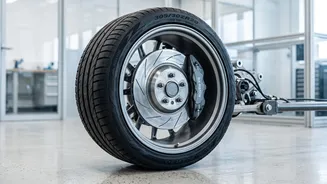
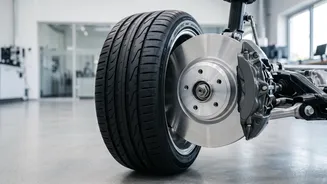
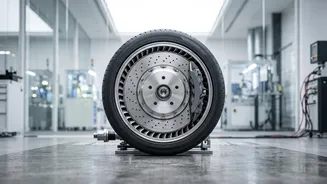
For the first time, Indian regulations will address non-exhaust emissions (NEE). These are pollutants that don't come from burning fuel. The two main culprits are brake dust and tyre wear. Every time a driver hits the brakes, friction causes tiny particles from the brake pads and discs to be released into the air. Similarly, tyres shed microplastic particles as they wear down against the road surface. Experts point out that these sources are significant contributors to particulate matter (PM) pollution and will continue to be a problem even with a full transition to electric vehicles, which have no tailpipe emissions. The BS-VII proposal, much like Europe's Euro 7 standards, recognizes this and aims to set specific limits on these previously unregulated pollutants.
How Will Non-Exhaust Pollution Be Measured?
The draft proposes specific limits for particulate matter from brakes starting from April 1, 2031. For passenger vehicles, the proposed limit for brake particle mass (PM10) will be 7 milligrams per kilometre for conventional petrol, diesel, and hybrid cars. Purely electric vehicles, which benefit from regenerative braking that reduces brake pad use, will have a stricter limit of 3 mg/km. By 2035, this 3 mg/km limit is proposed to become uniform for all passenger vehicles. The specific limits and testing procedures for tyre abrasion are expected to be notified separately, but their inclusion marks a major shift in how vehicle pollution is understood and managed.
What Else Is New in the Proposal?
Beyond non-exhaust emissions, the BS-VII framework aims to strengthen compliance and monitoring. This includes stricter 'Real Driving Emissions' (RDE) tests, which measure pollutants while the car is actually being driven on the road, not just in a lab. Vehicles will need to be equipped with On-Board Monitoring systems to continuously track emission performance. For electric and hybrid vehicles, the proposal introduces battery durability standards. For instance, batteries would be required to retain at least 75% of their initial capacity after five years or 100,000 km. An 'Environmental Vehicle Passport' is also proposed, which would give buyers clear information on a vehicle's emissions, fuel economy, and battery health at the time of purchase.
Impact on Car Buyers and Manufacturers
While these changes promise cleaner air, they will require significant technological upgrades from automakers. Complying with new rules for brake dust, tyre wear, and onboard monitoring will necessitate investment in research and new components. Some industry executives have voiced concerns about the proposed timeline, suggesting it could disrupt product development cycles and divert resources from EV projects. For consumers, this technological shift will likely translate into higher vehicle prices. The exact cost increase is uncertain and will depend on the final, approved version of the rules. However, the long-term goal is a healthier environment, with vehicles that are cleaner throughout their entire lifespan, not just when they roll out of the showroom.